A retro-inspired stunt that sets the internet on fire.
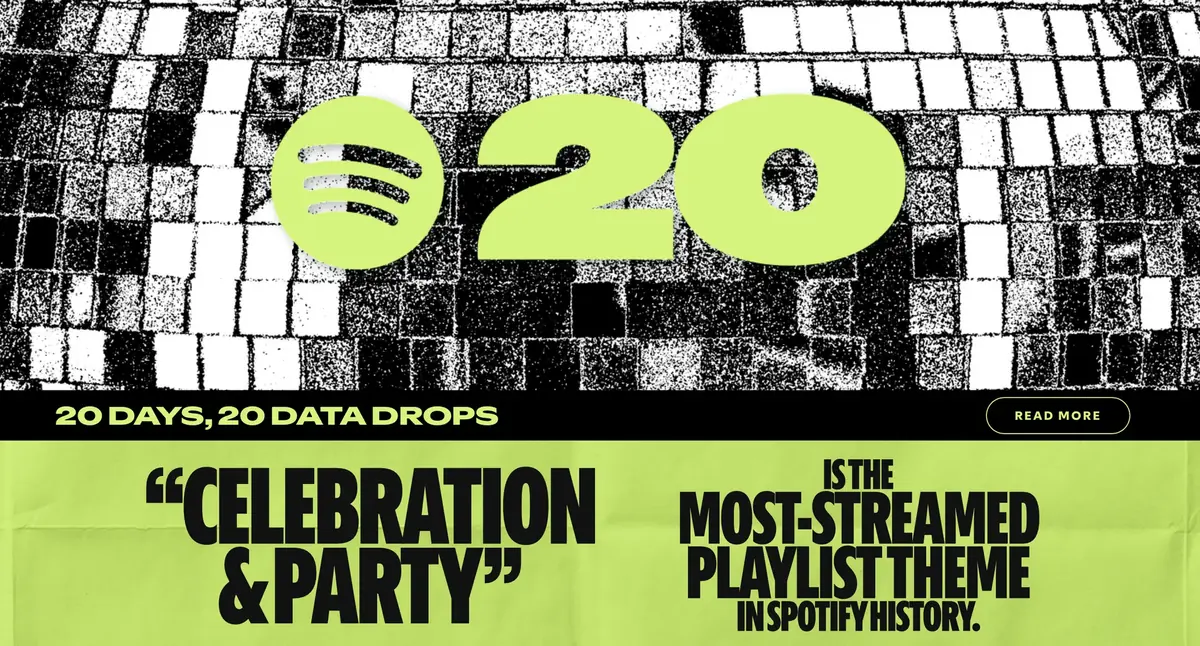
Pour marquer ses 20 ans en 2026, Spotify pulled off a bold marketing stunt that quickly spiraled into a viral online saga. Without any warning, the music streaming giant suddenly replaced its iconic minimalist green waves with a photorealistic disco ball icon. Designed as a festive, retro-inspired tribute to two decades of existence, the drastic visual change on the mobile app instantly set social media ablaze. The “clubbing” aesthetic, worlds apart from Spotify’s usual clean branding, caught many users off guard, with some genuinely fearing the kitschy design would become permanent.

The app icon: a troll-like invasion into users’ personal space.
The community reaction was immediate and intense. Many users criticized the photorealistic disco ball, arguing that it completely clashed with the sleek visual guidelines of iOS and Android. At a time when visual harmony across home screens has become an obsession for smartphone users thanks to widgets, custom themes, and icon packs the arrival of this ultra-glossy icon disrupted carefully curated aesthetics. It was, however, a strategically brilliant move that intentionally stood out from the flat-design icons dominating modern apps.
A playground for community managers and newsjacking.
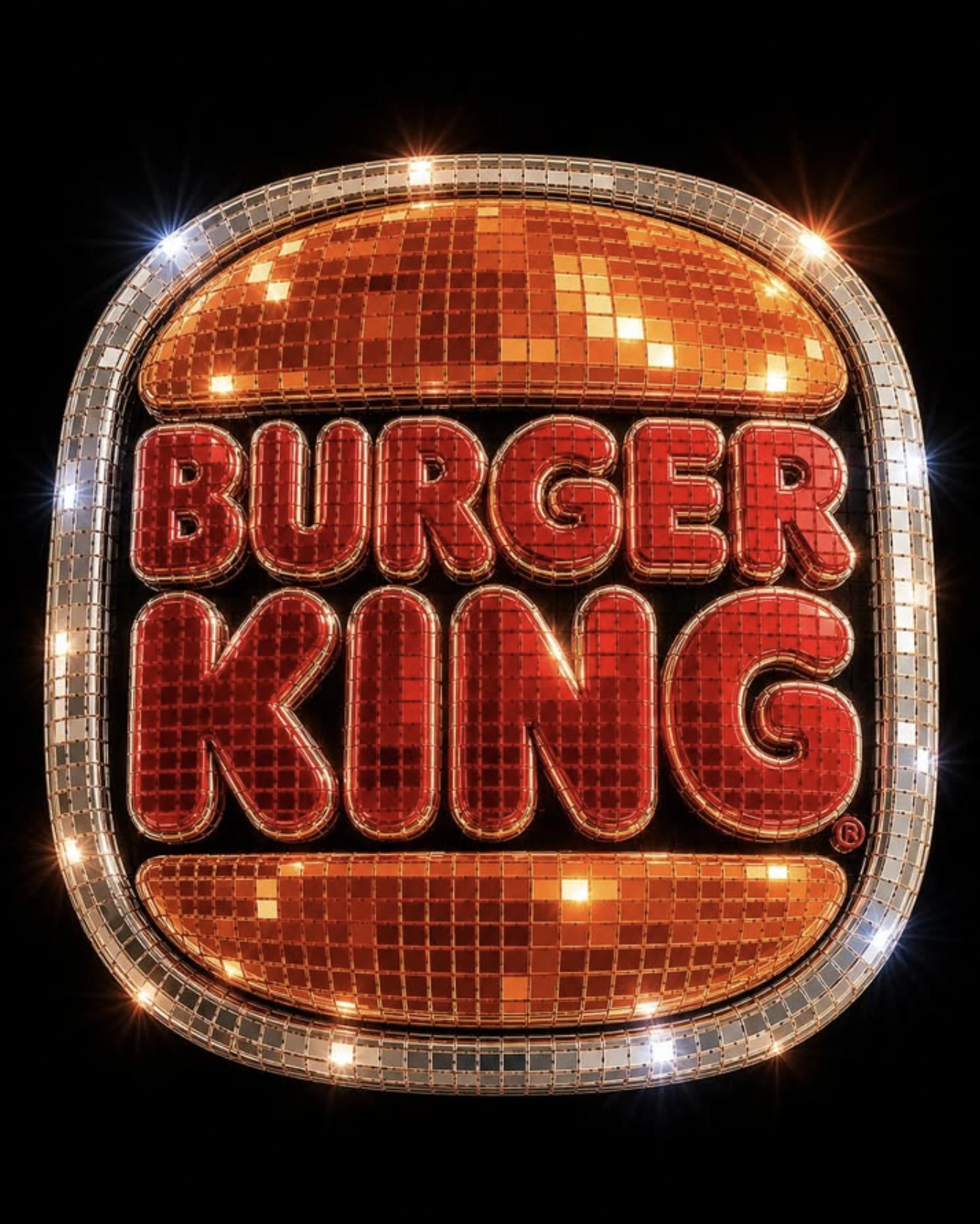
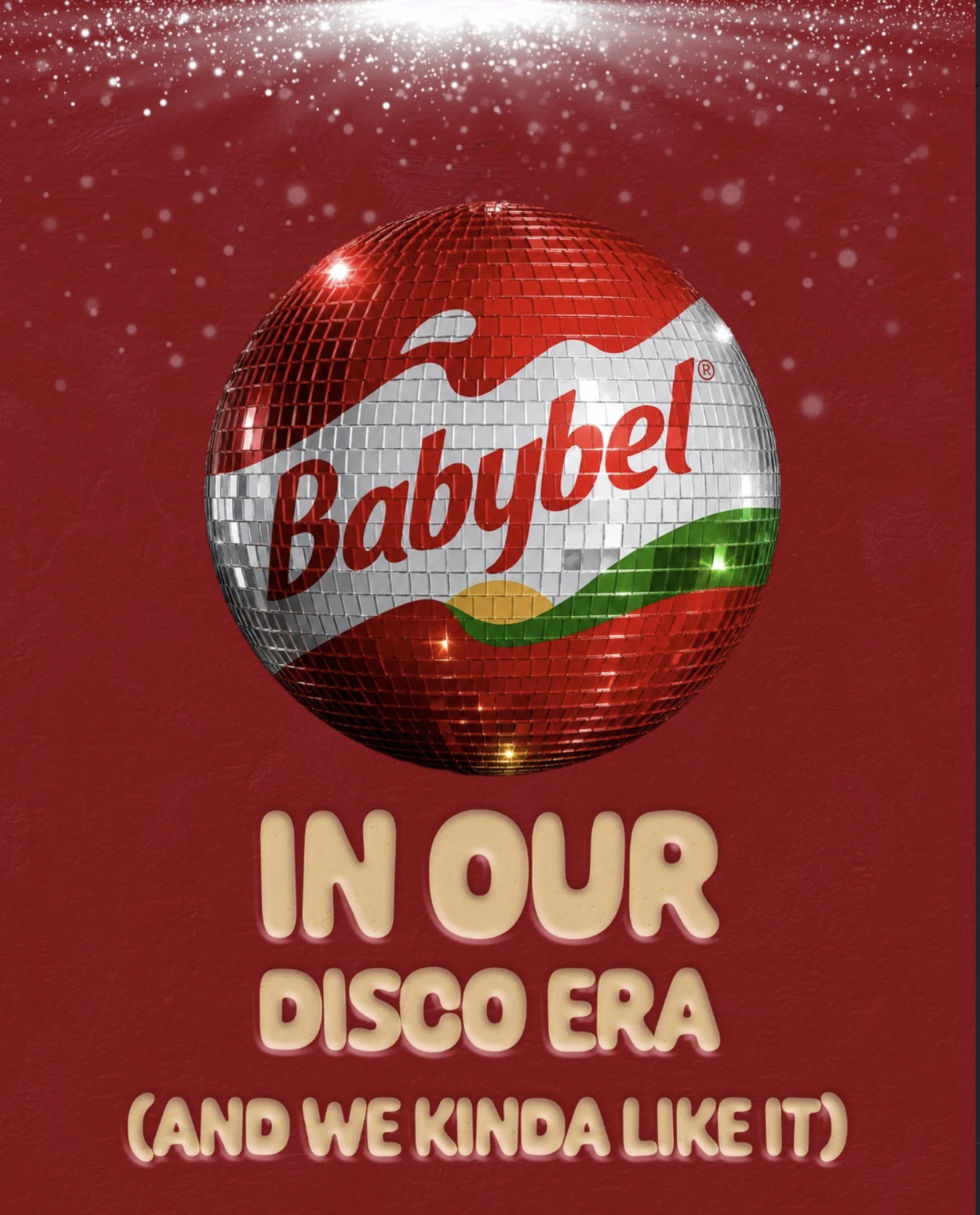
As the backlash grew, the story quickly became a dream opportunity for community managers around the world. Numerous brands jumped on the trend through clever newsjacking campaigns, temporarily modifying their own logos or posting humorous memes to ride the viral wave. What started as a simple “cosmetic anniversary update” rapidly evolved into a full-blown pop culture moment. Spotify suddenly found itself at the center of a broader conversation about minimalism, apps, and interface design.
Strategic rollout & perfectly orchestrated execution.
Very quickly, Spotify’s social media response team had to step in to calm the storm and clarify that the buzz was entirely intentional and temporary. The company multiplied direct responses to users online in order to defuse the panic: no, the disco ball was not here to stay. Spotify reassured its audience that the sparkling logo was merely a short-lived activation and that the famous green sound waves would return by the end of the week. It was a fast, reassuring response that strengthened the bond with users and illustrated how deeply tech giants understand that their logos have become part of pop culture and people’s everyday visual habits.

A branding lesson in the age of hyper-personalization
In the end, the Spotify Disco buzz reminds us that a strong brand no longer belongs solely to its designers, but also to its community. By disrupting the visual organization of home screens, Spotify touched a highly personal space of control for modern users. The quick return to the original logo proved that while attention is the currency of the digital economy, visual predictability remains its safe haven. For its 20th anniversary, Spotify didn’t just celebrate its history — it measured the immense psychological attachment people have to its three little green waves and secured one of the most memorable marketing buzz campaigns of 2026..

The illusion of brand ownership.
Ultimately, this “Spotify Disco” buzz serves as a fascinating branding lesson in the era of hyper-personalization. It proves that in 2026, disrupting visual ergonomics can generate enormous attention. While the campaign successfully achieved its awareness objective by getting the platform’s anniversary talked about worldwide, it also highlighted a key truth: a great marketing stunt often needs to challenge the user’s comfort zone. Spotify walks away with a powerful viral marketing case study and one clear realization — users are just as attached to their graphic routines as they are to their favorite playlists.