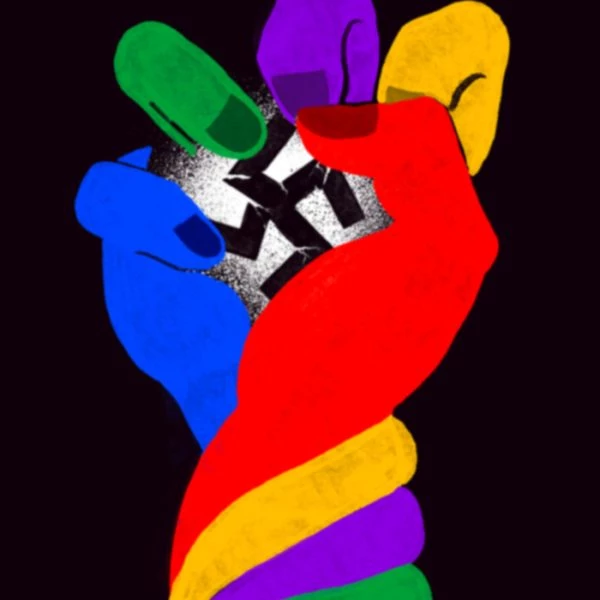
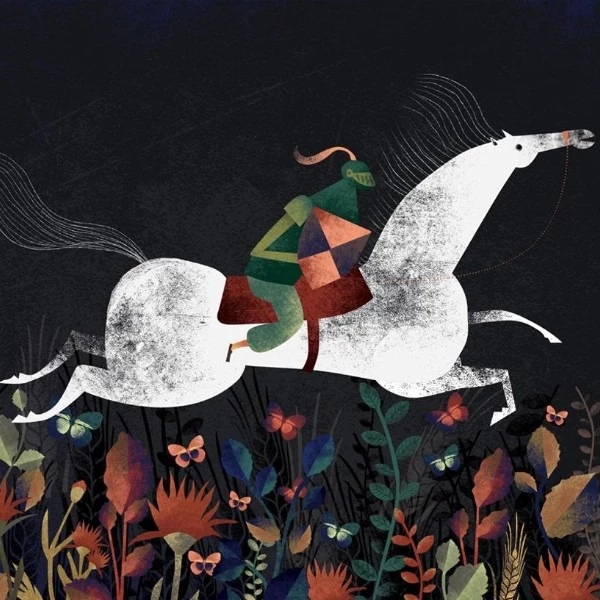
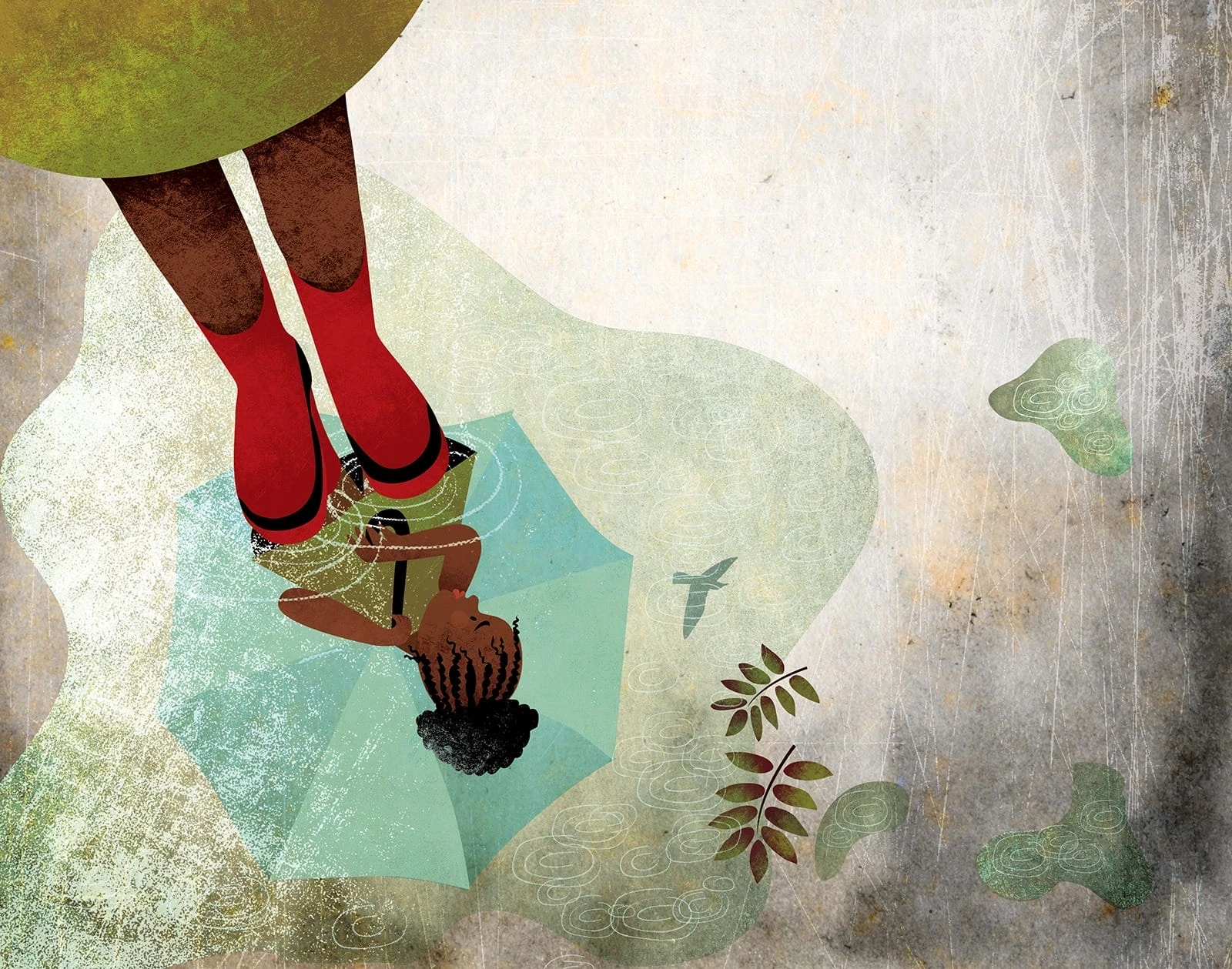
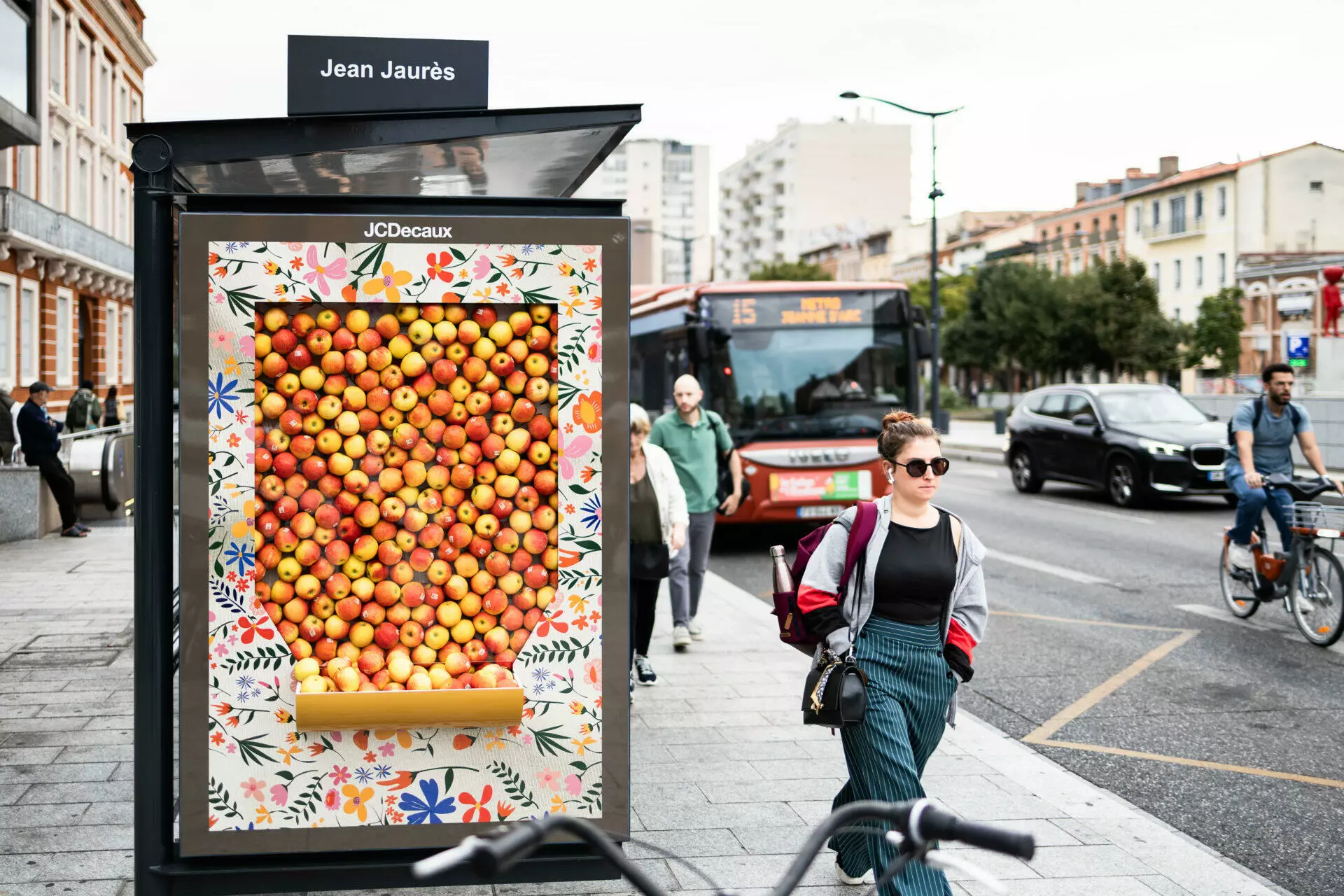
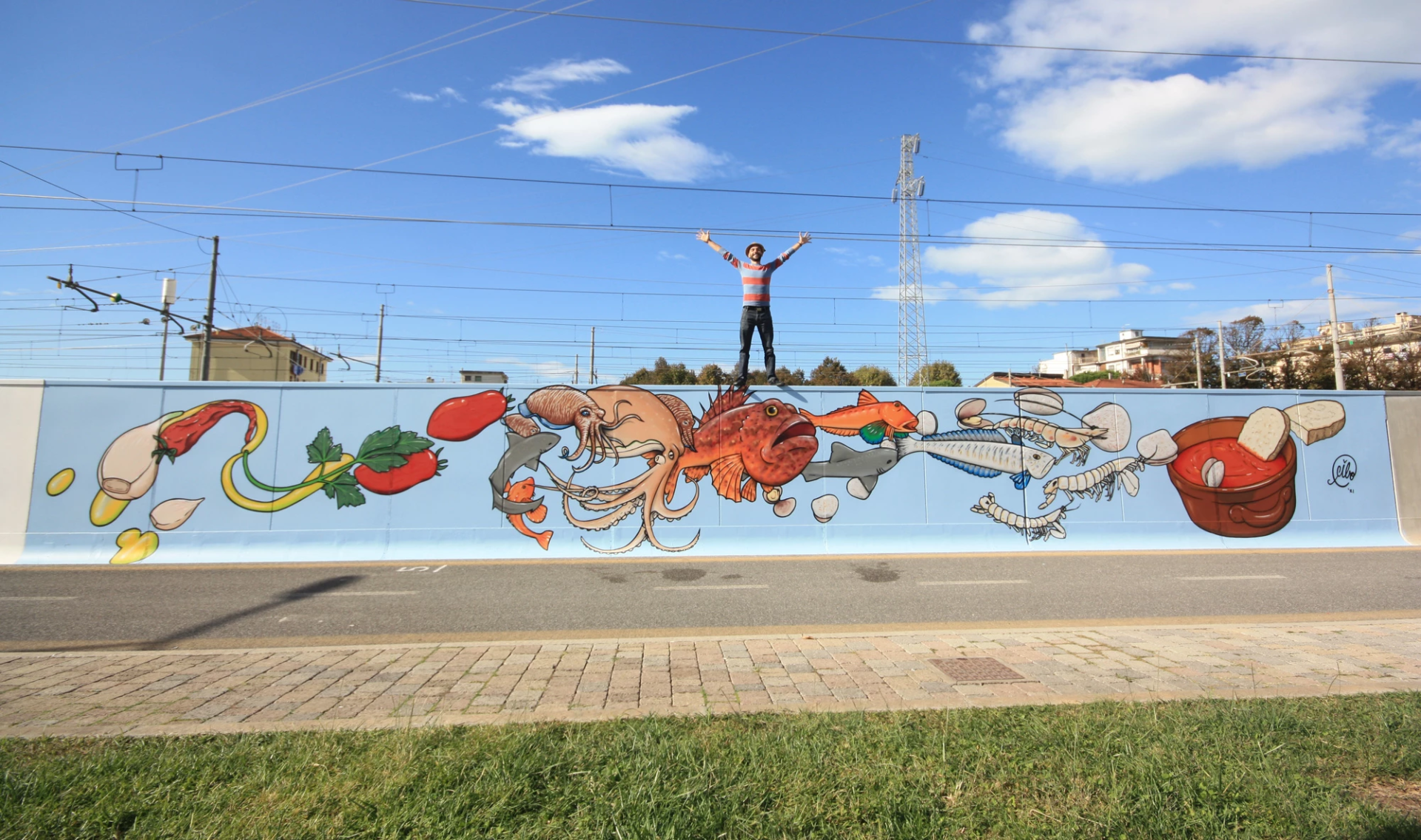
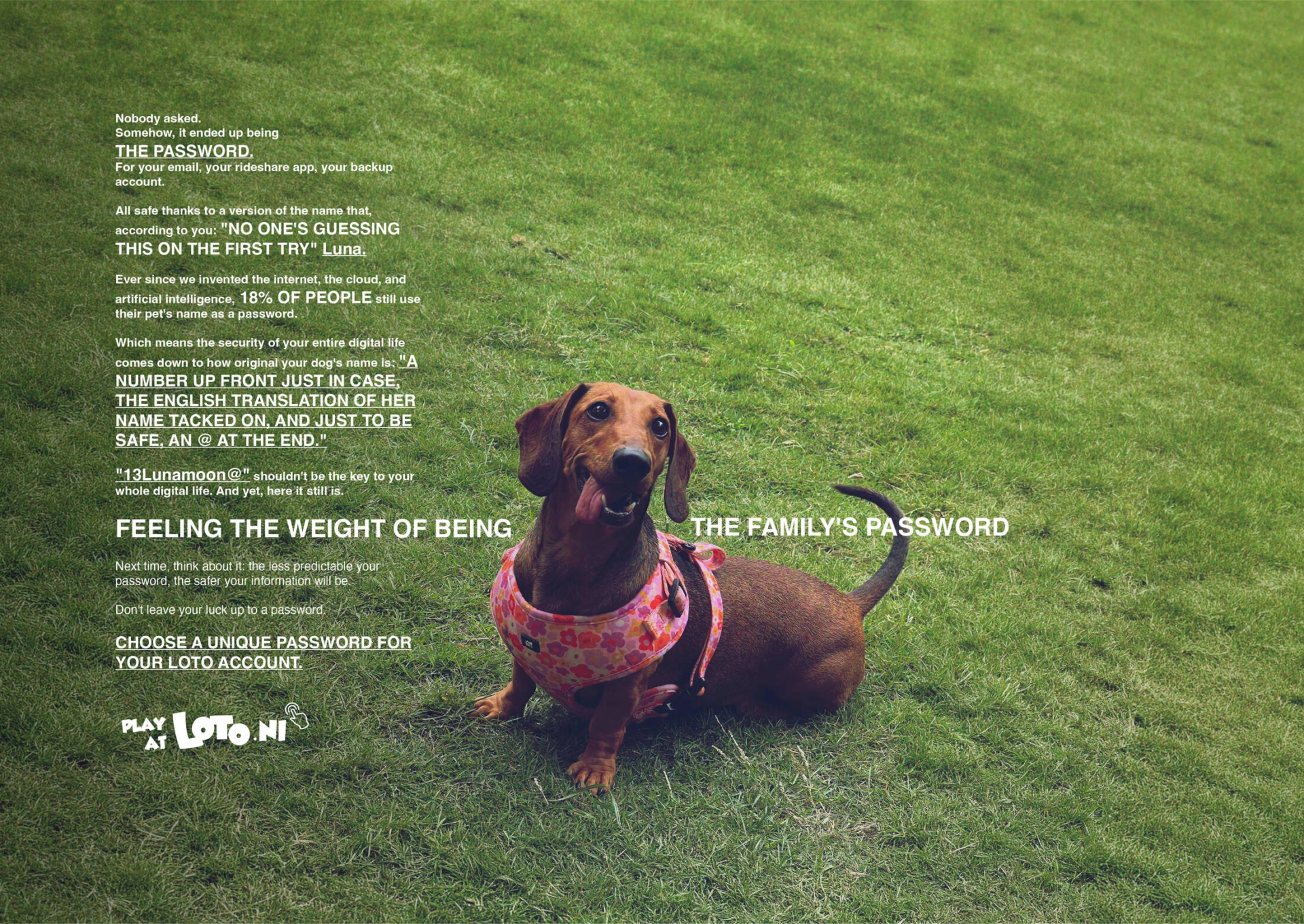
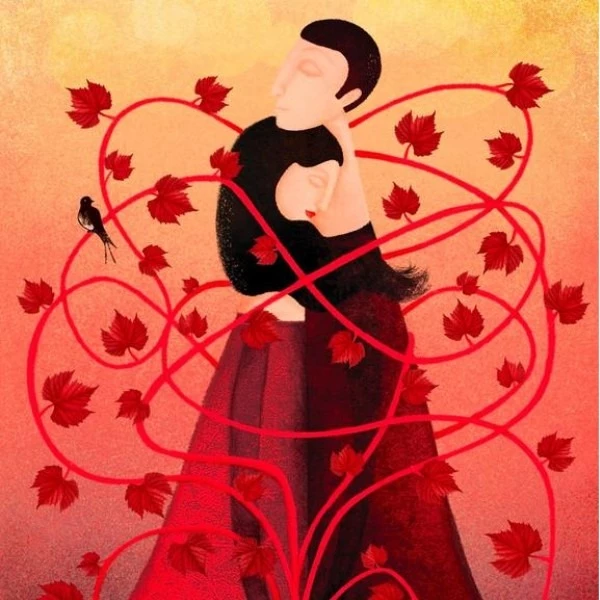
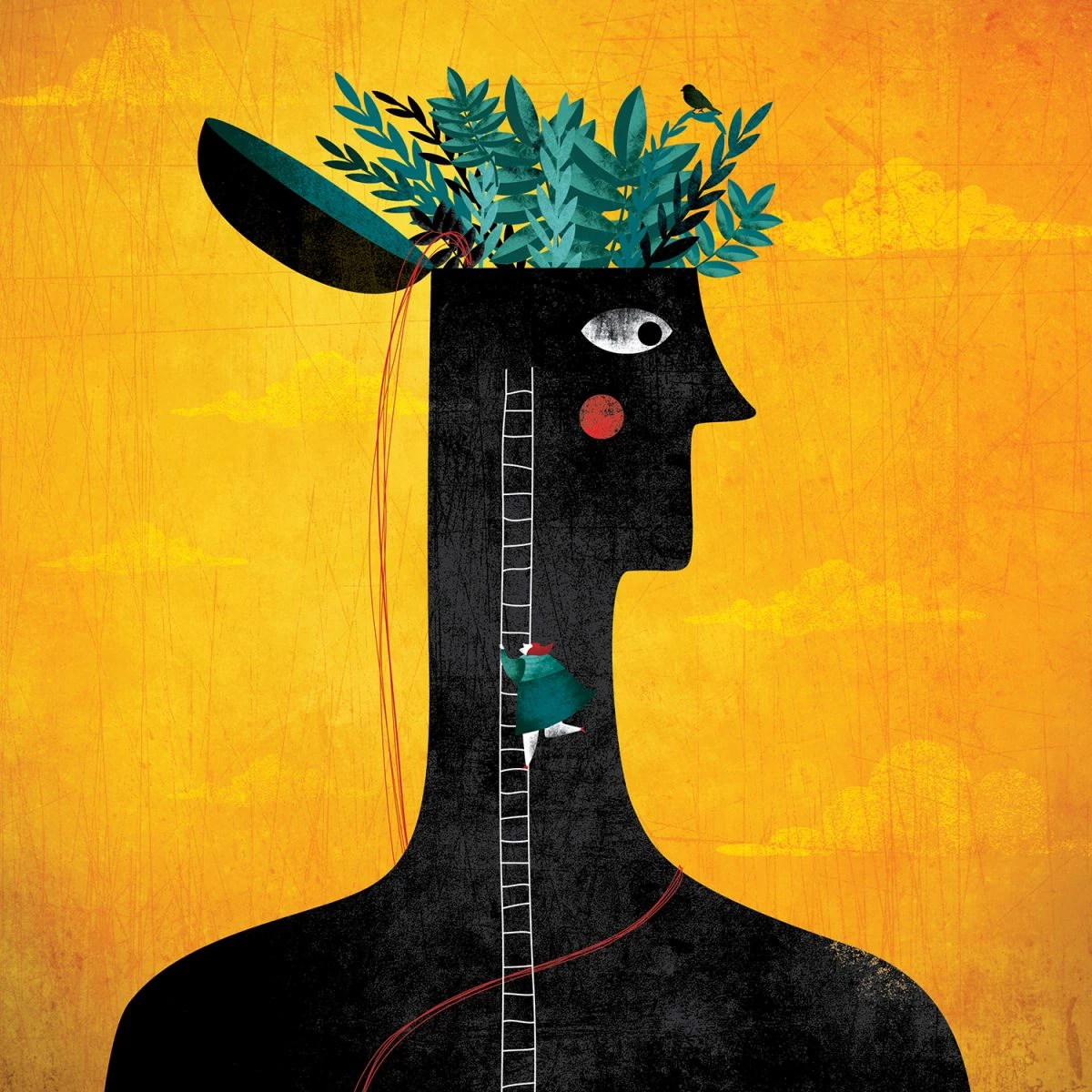
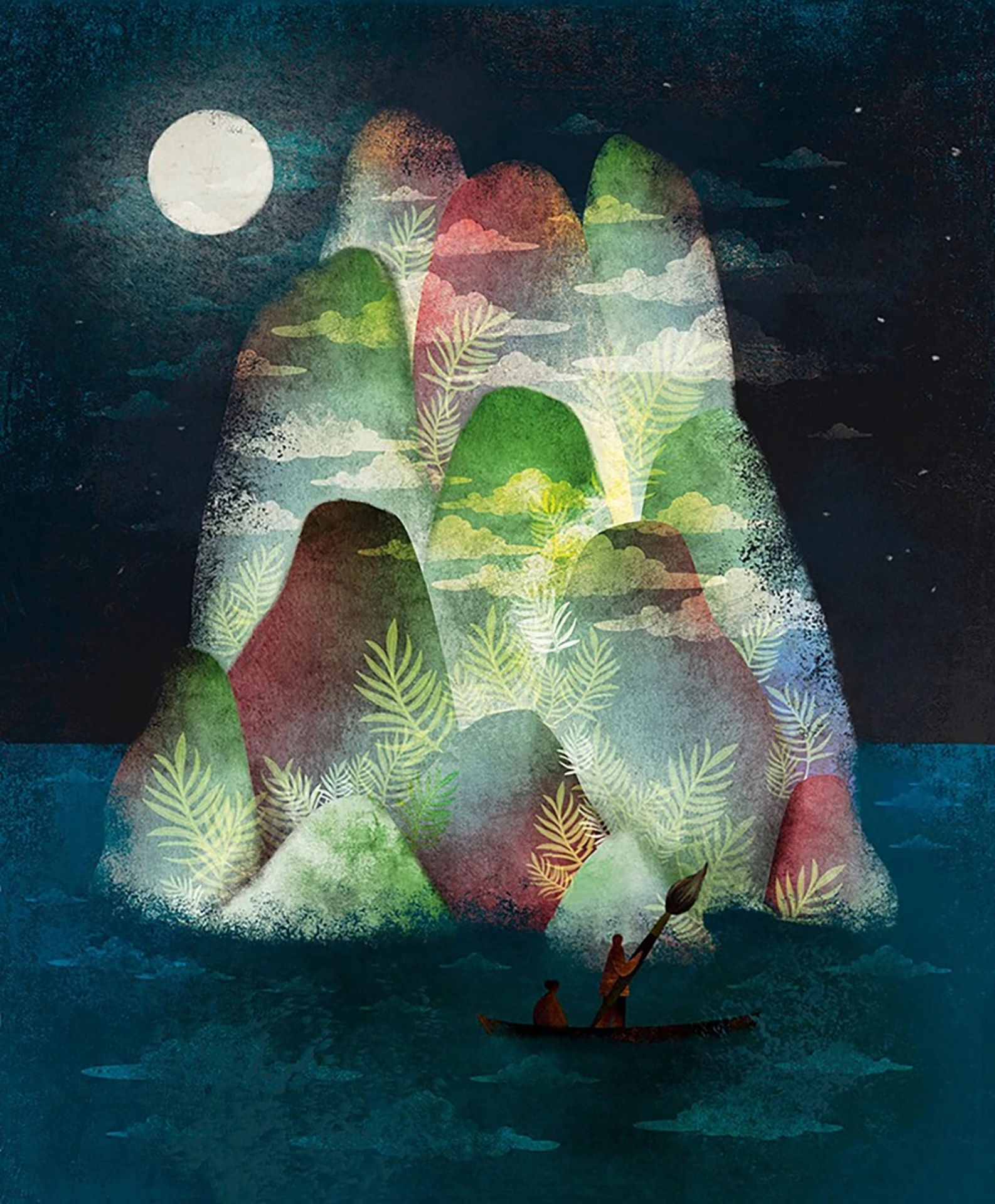
Based in Antwerp, Portuguese artist Fatinha Ramos is redefining the role of the modern illustrator through what she calls “visual activism.” For her, art is not just about aesthetics but a deep commitment to narratives that resonate with her core values. She gives a voice to minorities and social issues that are often overlooked by mainstream media. Her unique style, blending analog and digital techniques, has captivated major global institutions, from the New York Times to the MoMA.
Drawing as a Sanctuary and Liberation
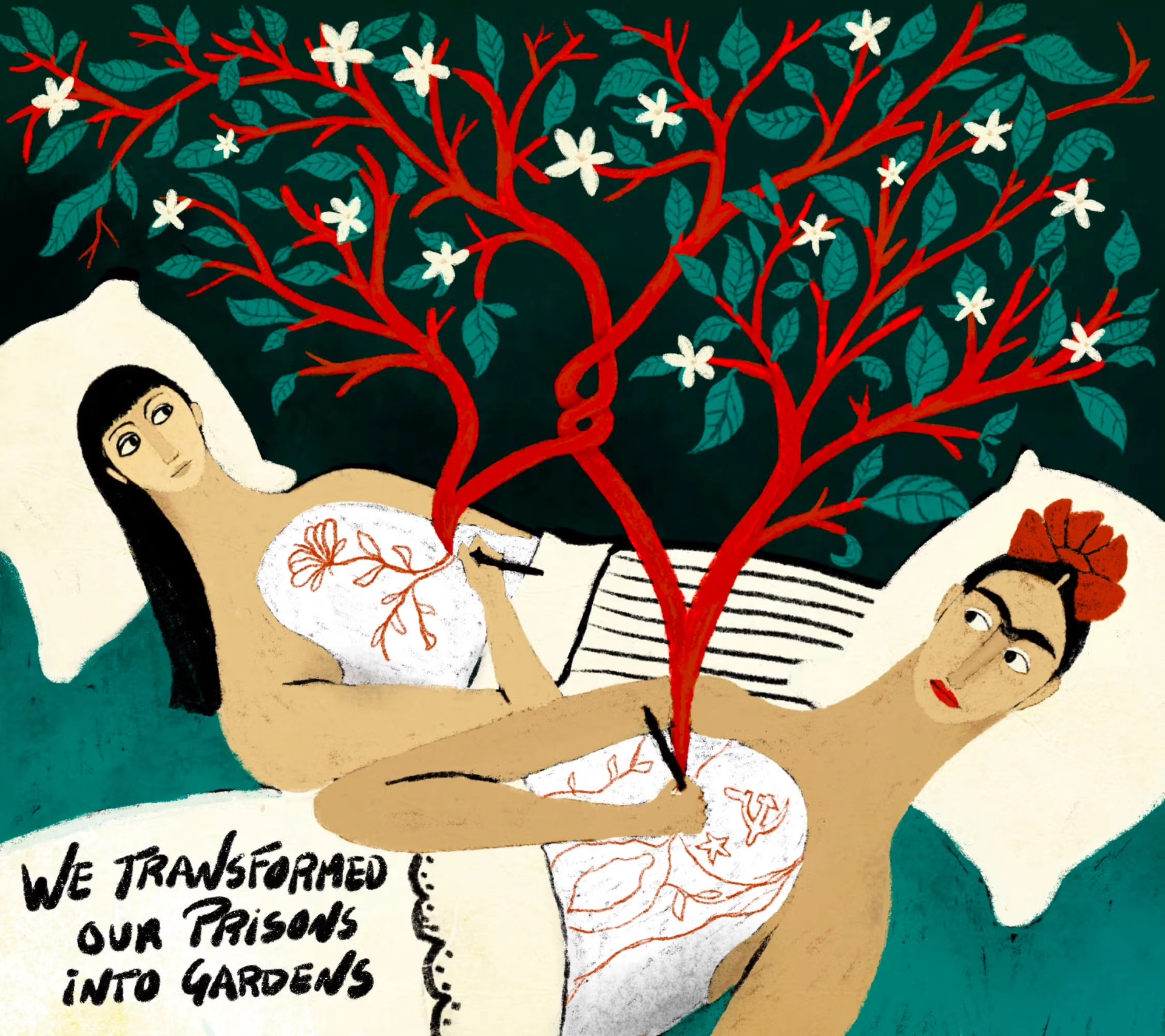
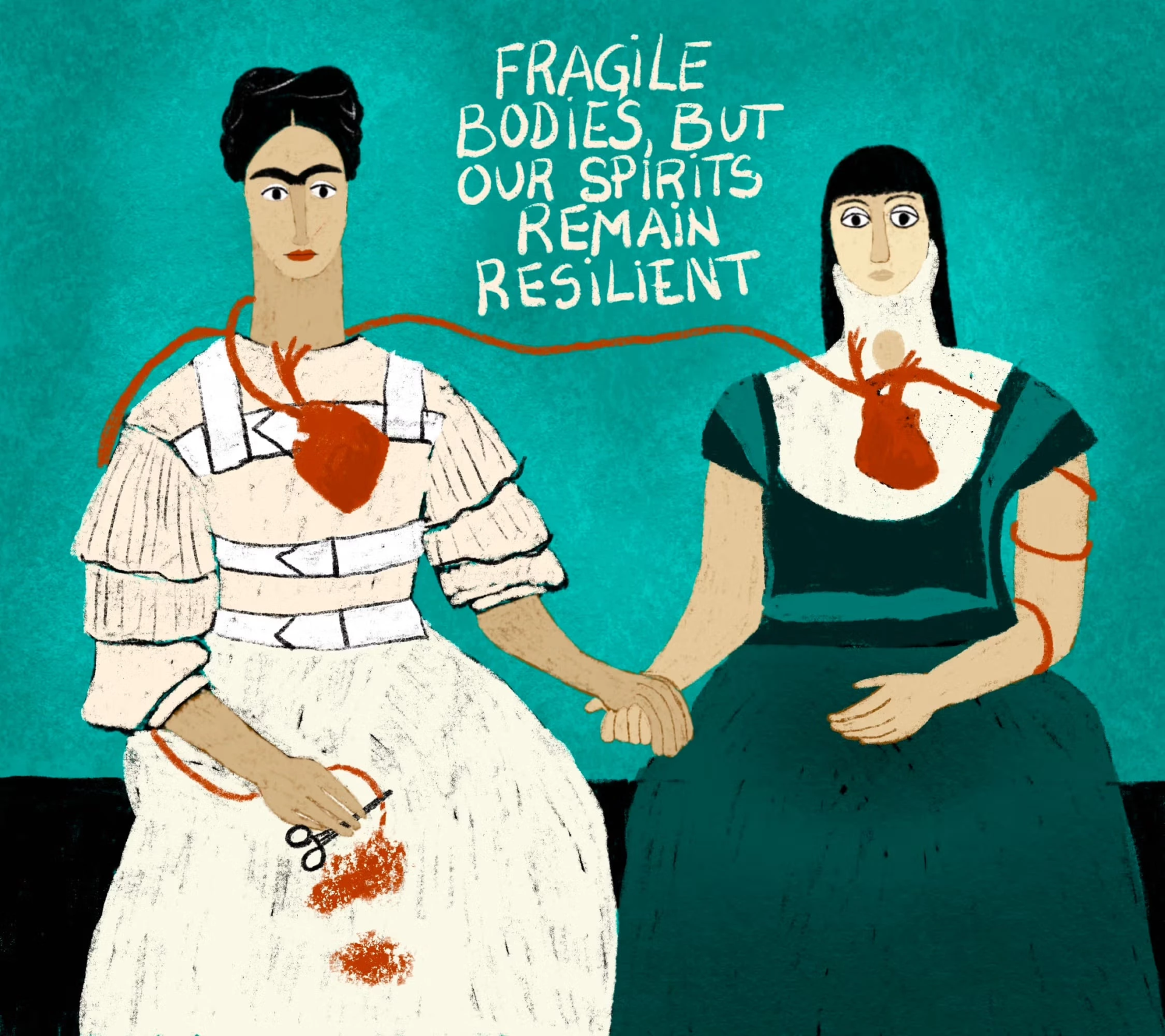
Ramos’s journey is intrinsically linked to her personal history and her battle with osteogenesis imperfecta. Having spent a large part of her childhood in hospitals, drawing became her primary sanctuary for mental escape. This experience shaped her conviction that creativity does not arise in spite of physical limitations, but precisely through them. She offers a unique perspective on resilience and the perception of bodies within various social and physical spaces.
An Antidote to Stereotypical Narratives
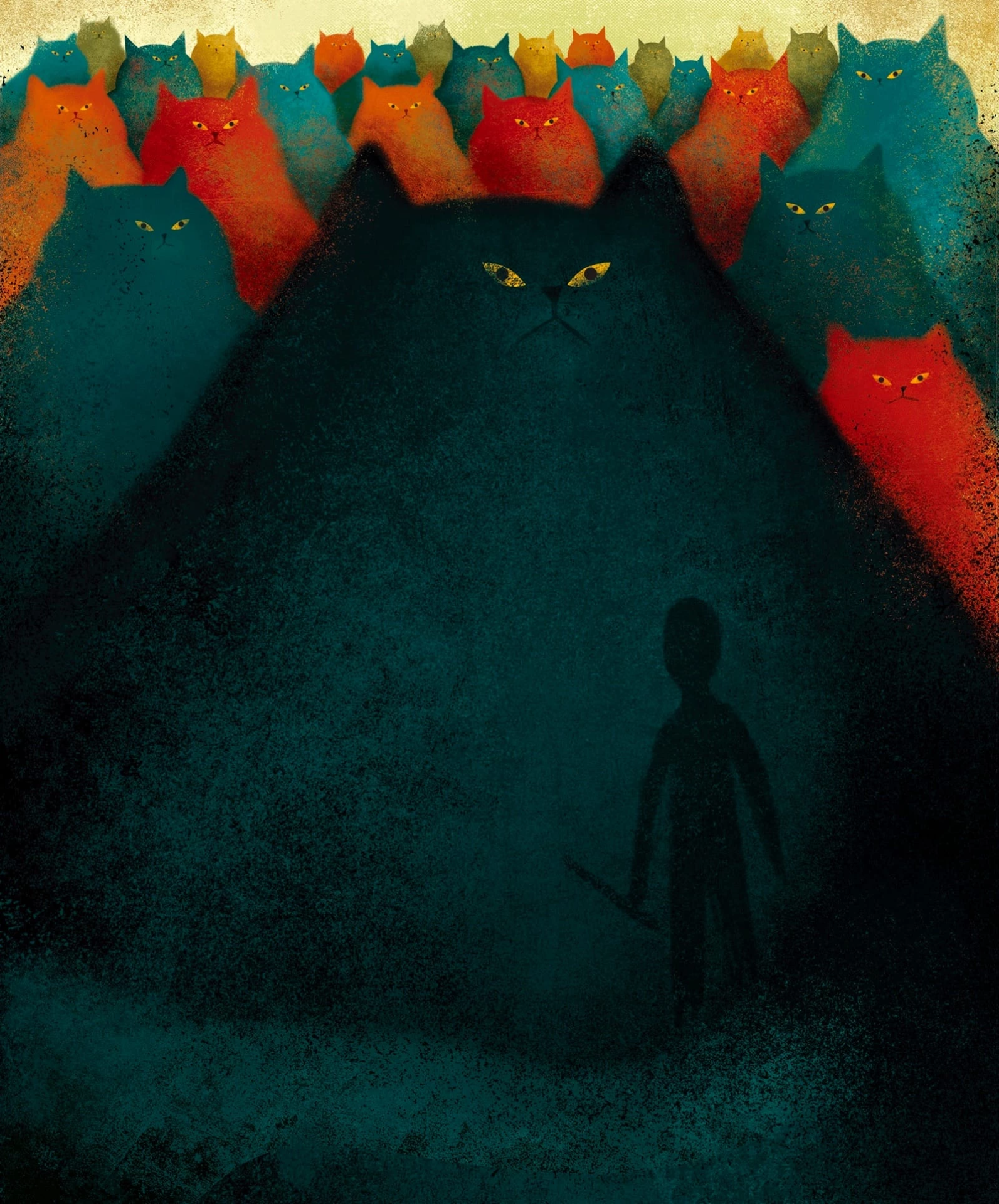
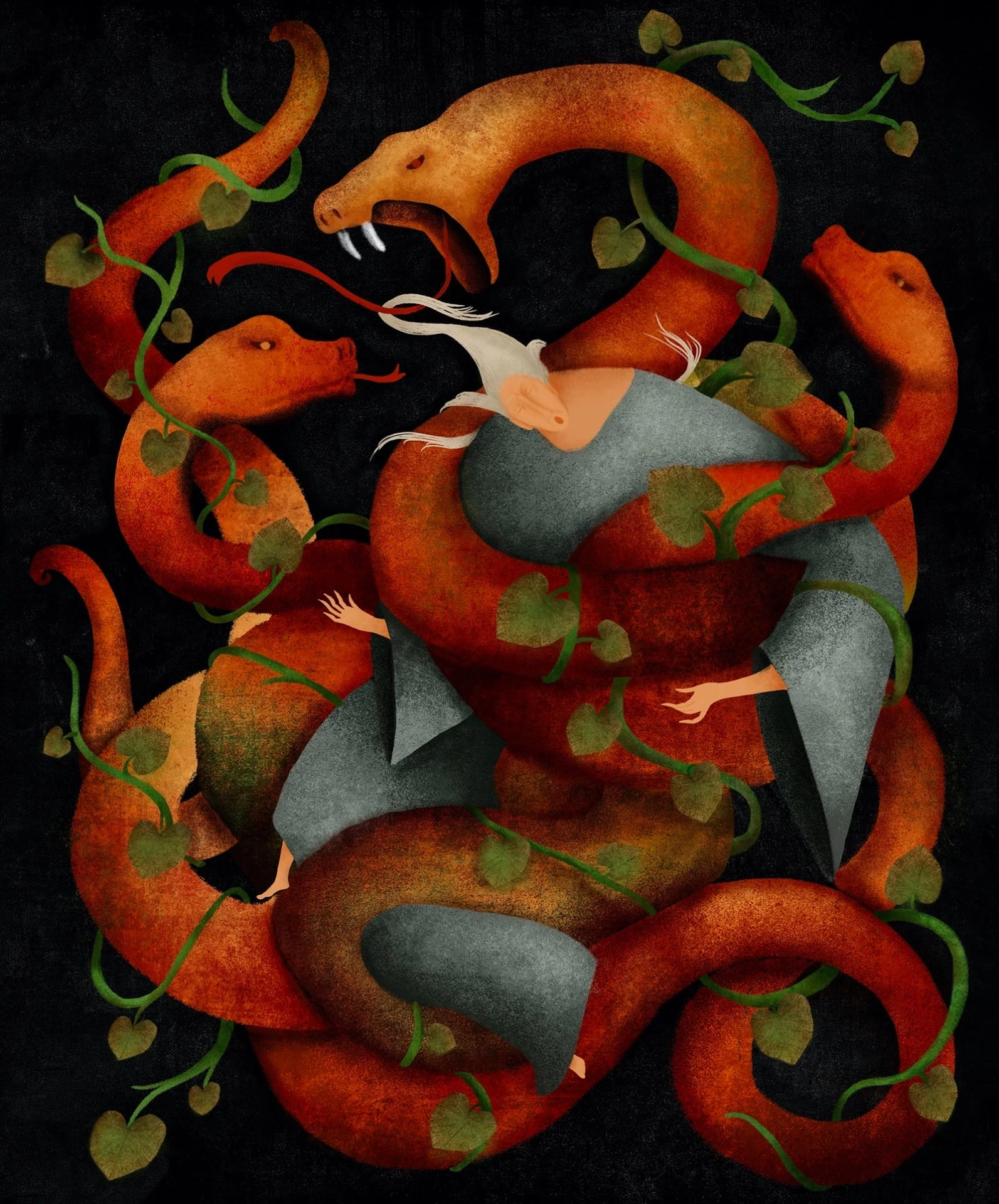
After twelve years as an art director in advertising, Ramos chose independence to cultivate her own distinct visual language. Today, her practice acts as a true antidote to stereotypical narratives surrounding the climate crisis, sexism, or racism. She uses her illustrations to bridge the chronic lack of empathy in our contemporary society. Her collaboration with the Anne Frank House demonstrates her ability to handle historical subjects with an extraordinary and delicate sensitivity.
Beyond the Symbol of Resilience
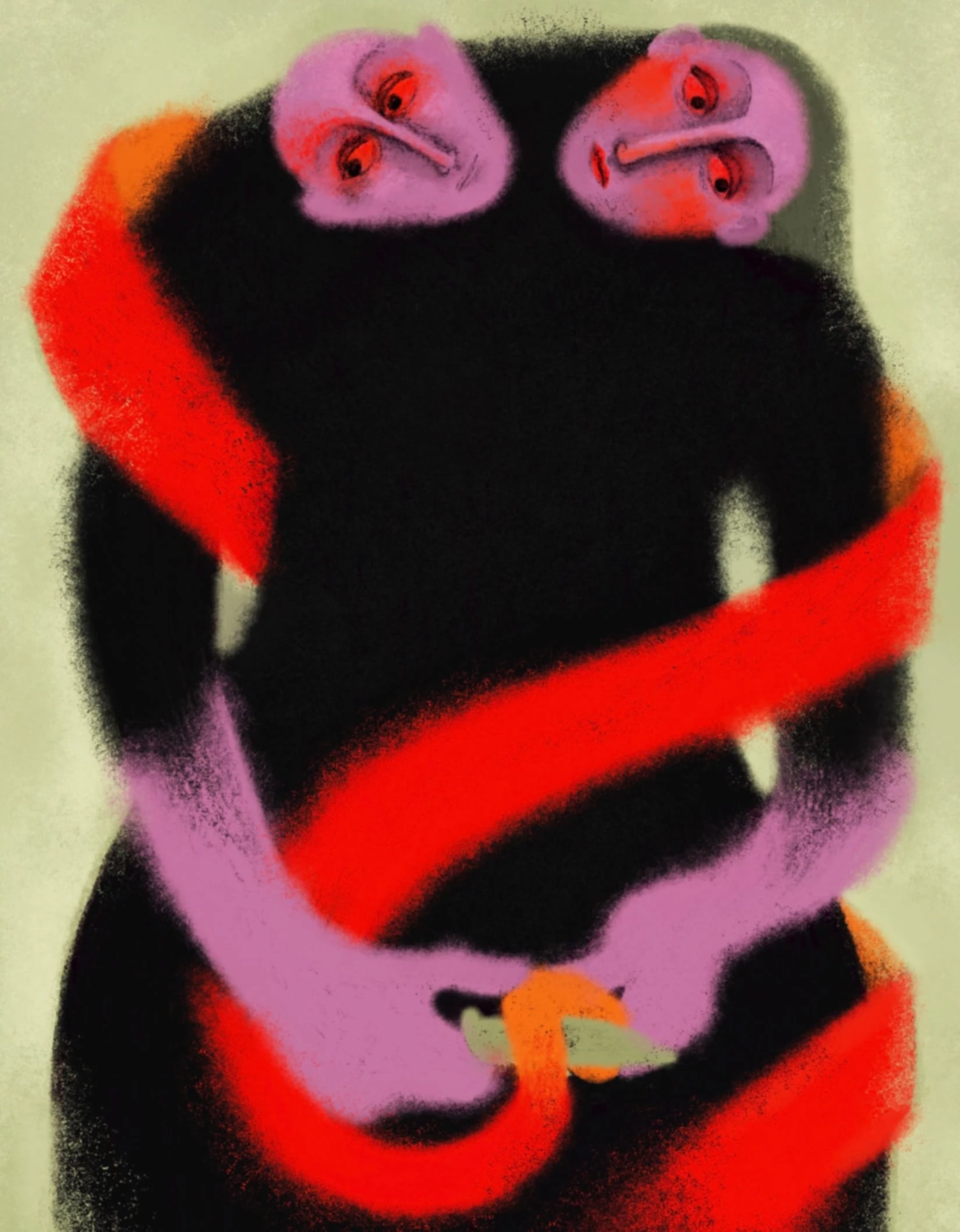
Ramos firmly rejects the reductive label of “symbol of resilience” often attached to artists living with disabilities. She advocates for a vision where art must expand our understanding of the world and diversity without falling into clichés. For her, every illustration is an opportunity to reconnect individuals through the power of the image. She transforms often-unseen experiences into powerful, dreamlike, and fundamentally universal works for audiences around the world.
A Turn Toward Fine Arts
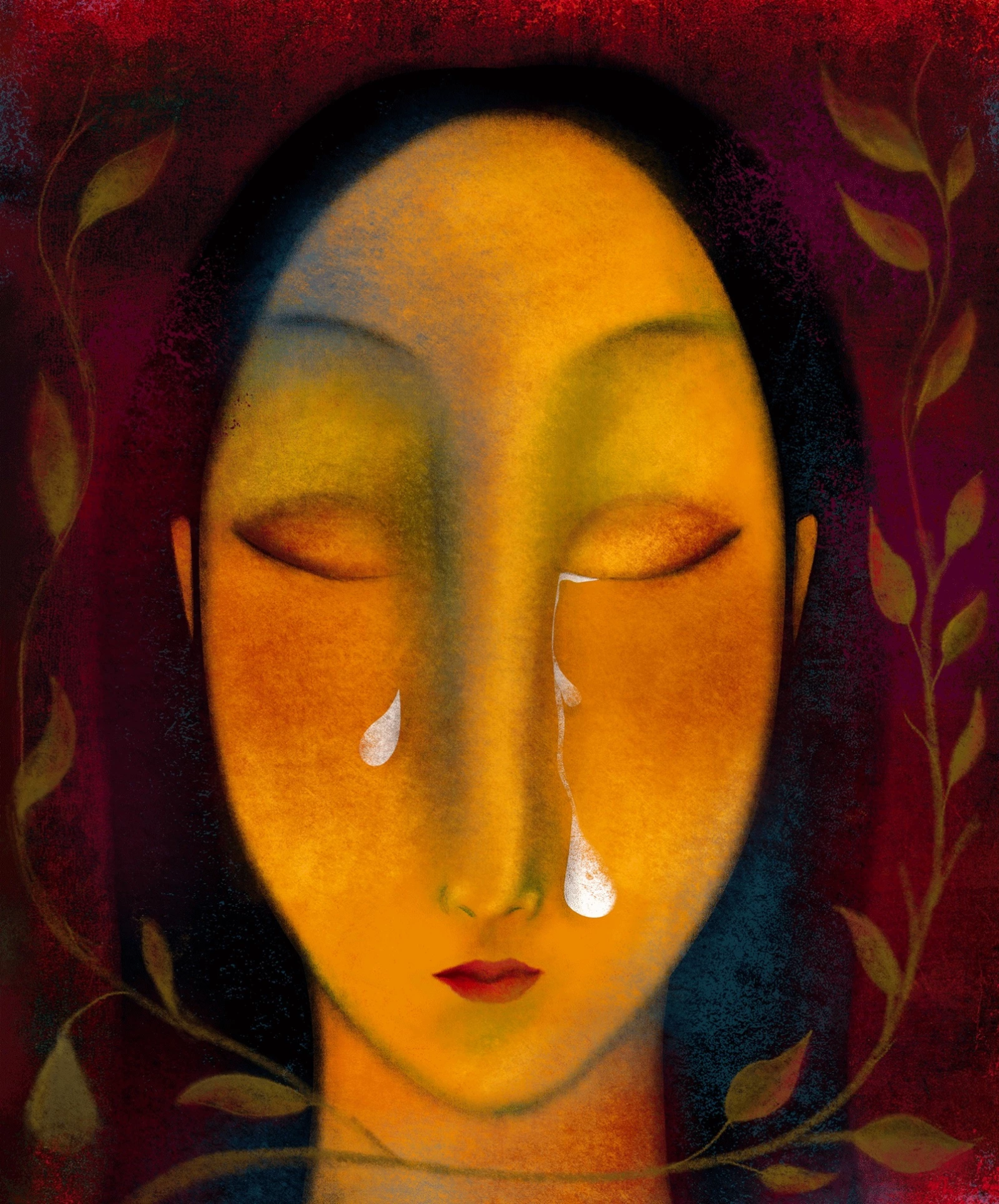
Currently, the artist is shifting toward fine arts, limiting commissioned projects to focus on more personal artistic research. She is notably working on a series of anatomical glass sculptures based on her own “brittle bone” disease. This approach aims to materialize the fragility and paradoxical strength of her body through a demanding medium. By exploring these new formats, Fatinha Ramos proves that art remains the most direct language to provoke meaningful change.
Fatinha Ramos’s work reminds us that imagery holds immense political and social power when driven by sincere intention. In 2026, her approach to visual activism stands as a model for a new generation of socially engaged artists. Her transition from illustration to anatomical sculpture highlights a desire to make the invisible tangible. Ultimately, she does not just draw the world; she invites us to feel it with a renewed sense of shared humanity.