A Three-Piece Suit to Tidy Up Our Chaotic World.
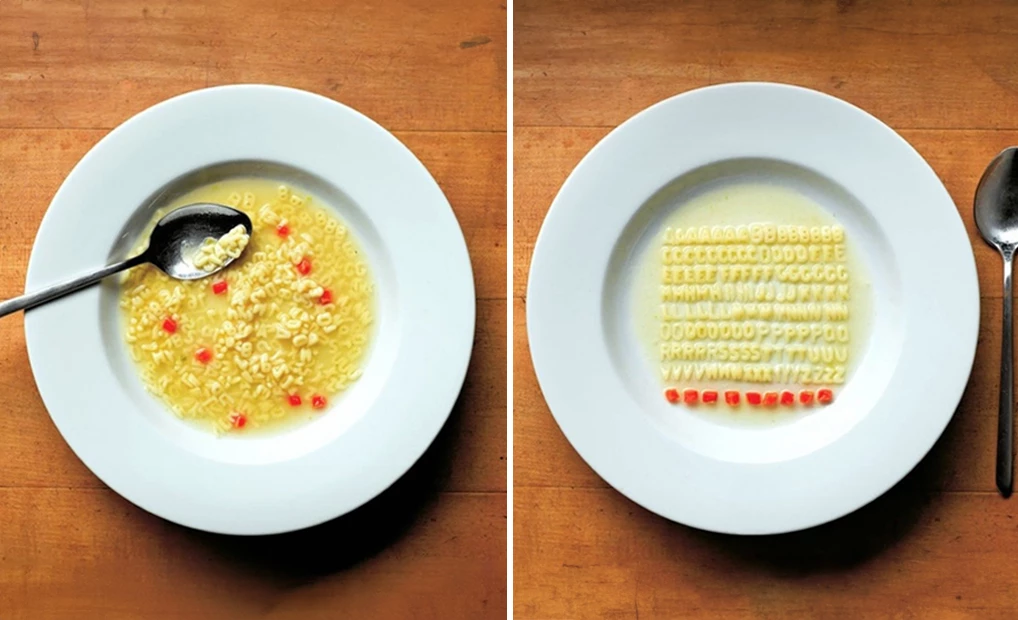
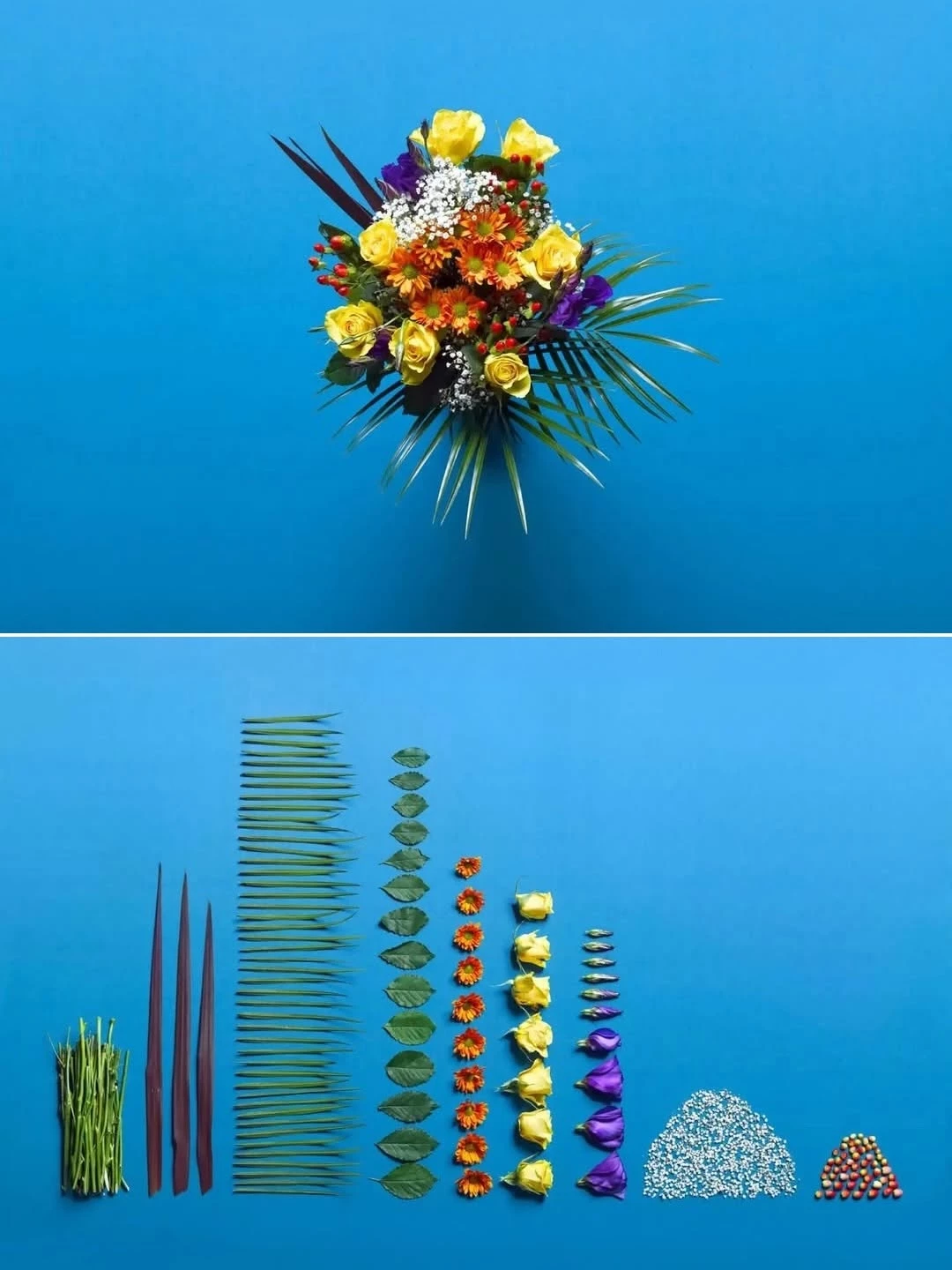
Invariably dressed in a dark three-piece suit, Swiss artist Ursus Wehrli has chosen a titanic mission. Indeed, this comedian born in 1969 enjoys methodically tidying up our world. This former left-handed typographer applies a manic logic to what is free. Whether attacking painted masterpieces or daily life scenes, he constantly surprises. Consequently, he uses absurd humor to question our very relationship with strict order.
The Irresistible Visual Short-Circuit of “Tidying Up Art”.
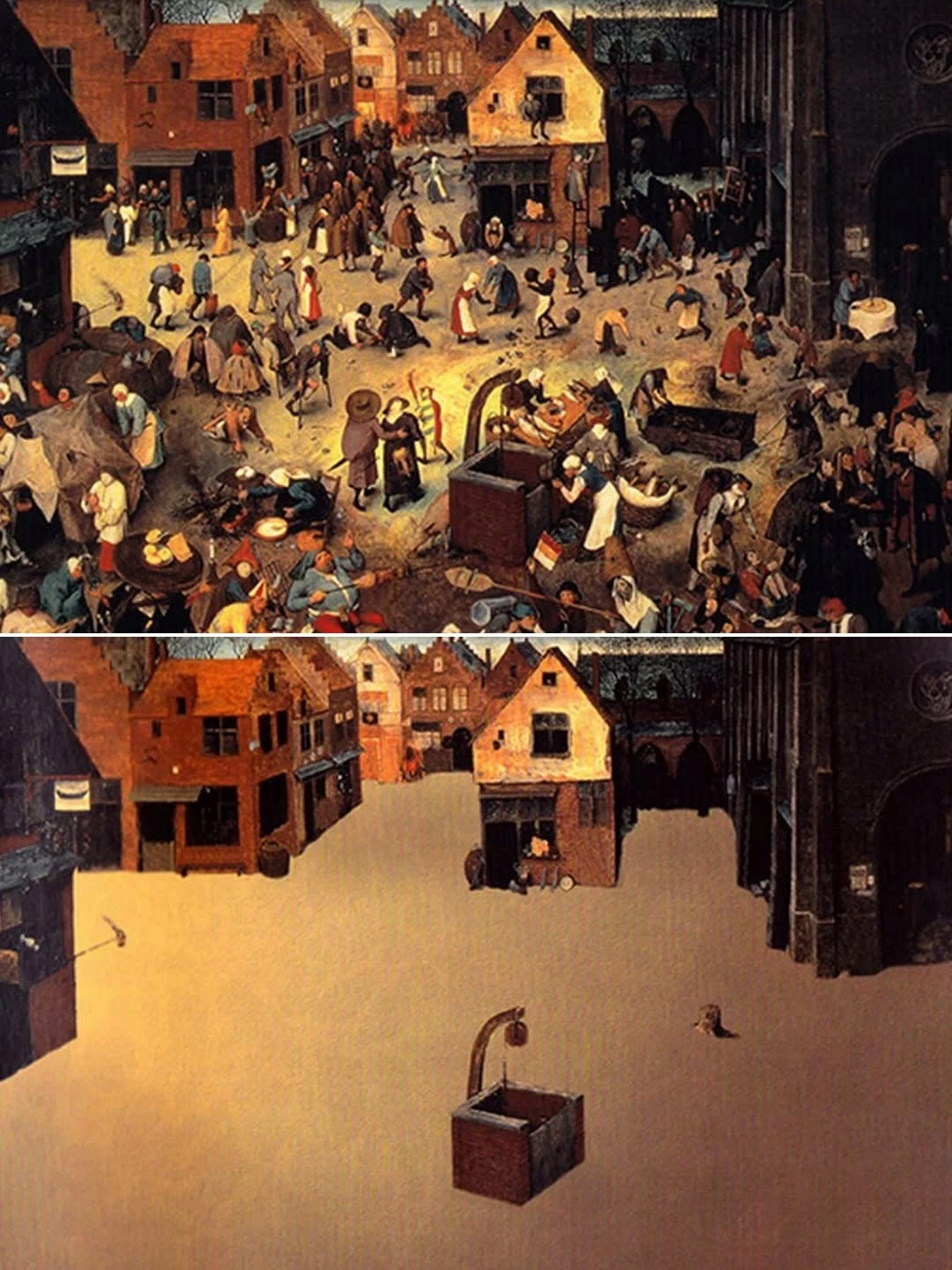
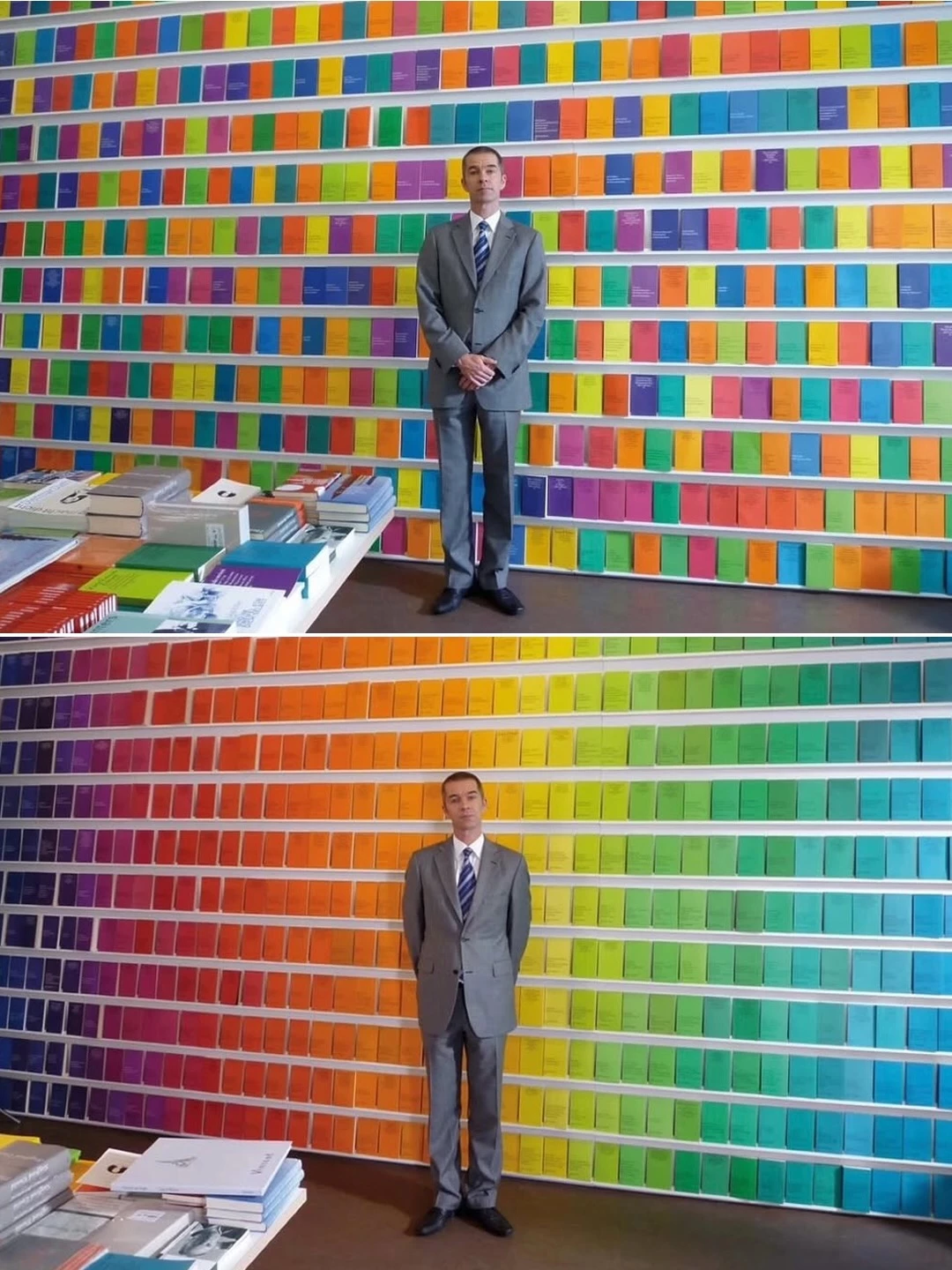
His first intuition came to life in his project called “Tidying Up Art”. To achieve this, Wehrli cuts out reproductions of great masters without digital tools. He then sorts the components of the paintings to extract their essence. For instance, Paul Klee’s colored squares are stacked by color shades. For Magritte, the men in bowler hats are aligned like soldiers. By submitting art to bookkeeping rules, he creates irresistible fun.
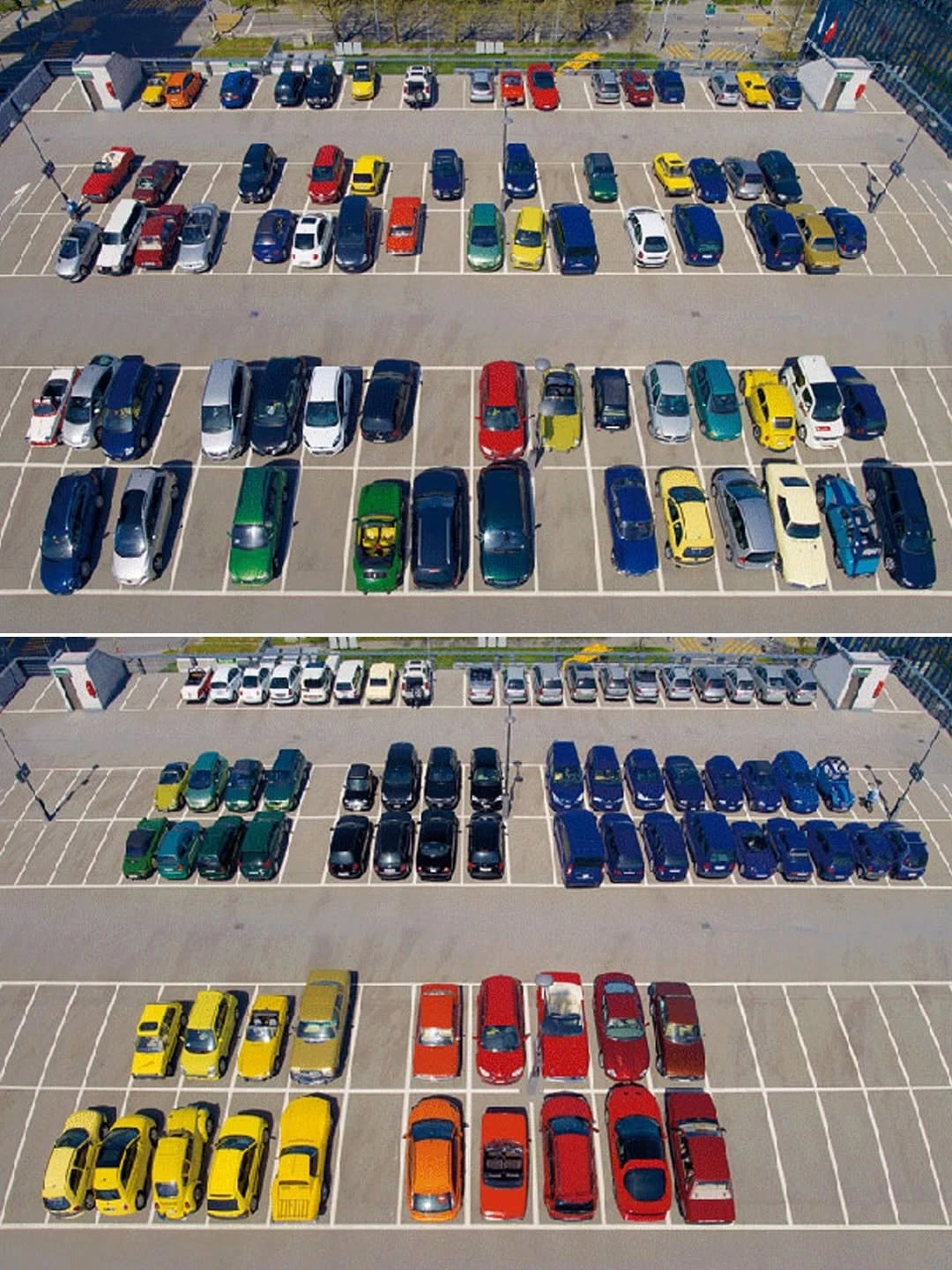
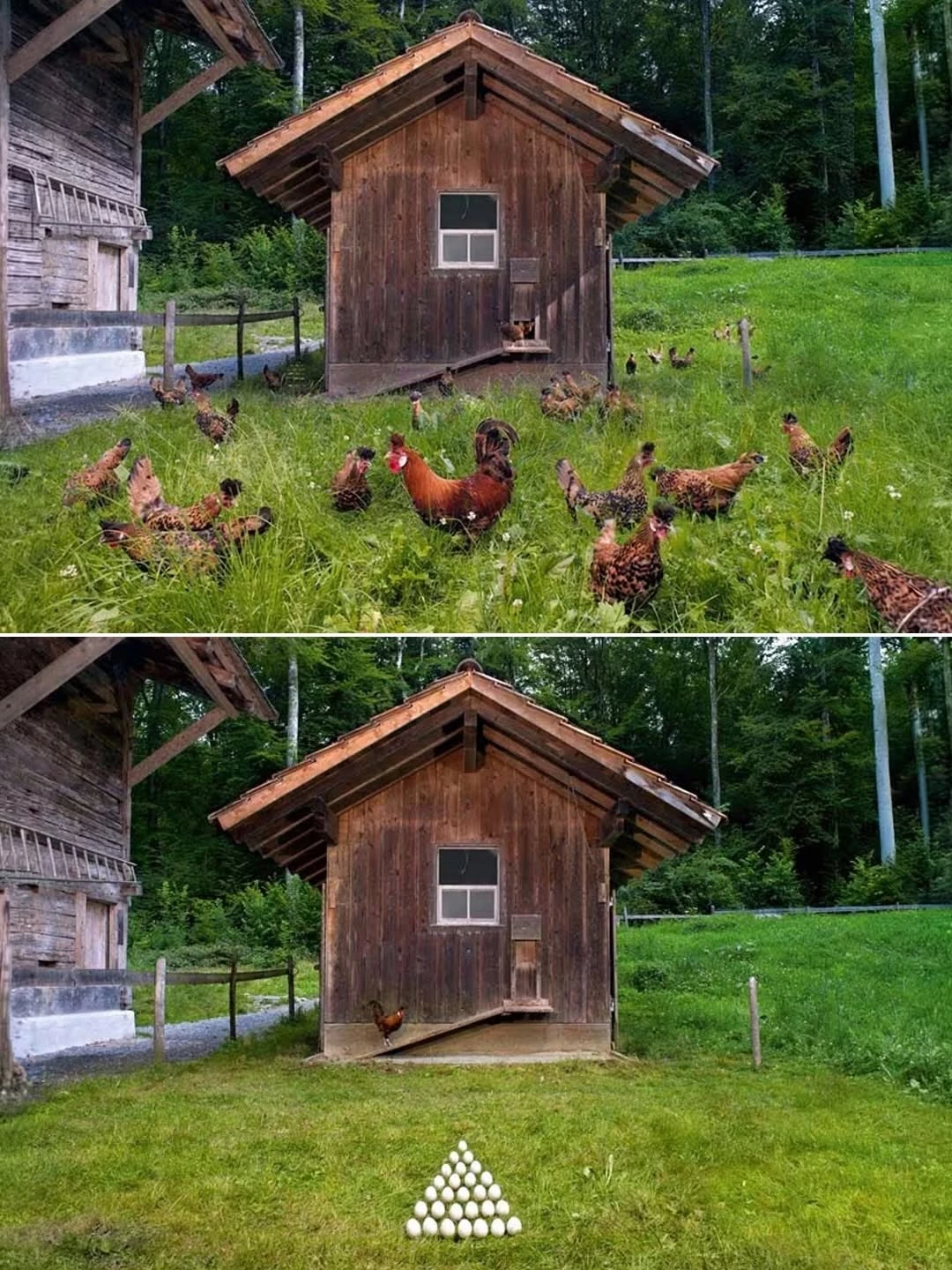
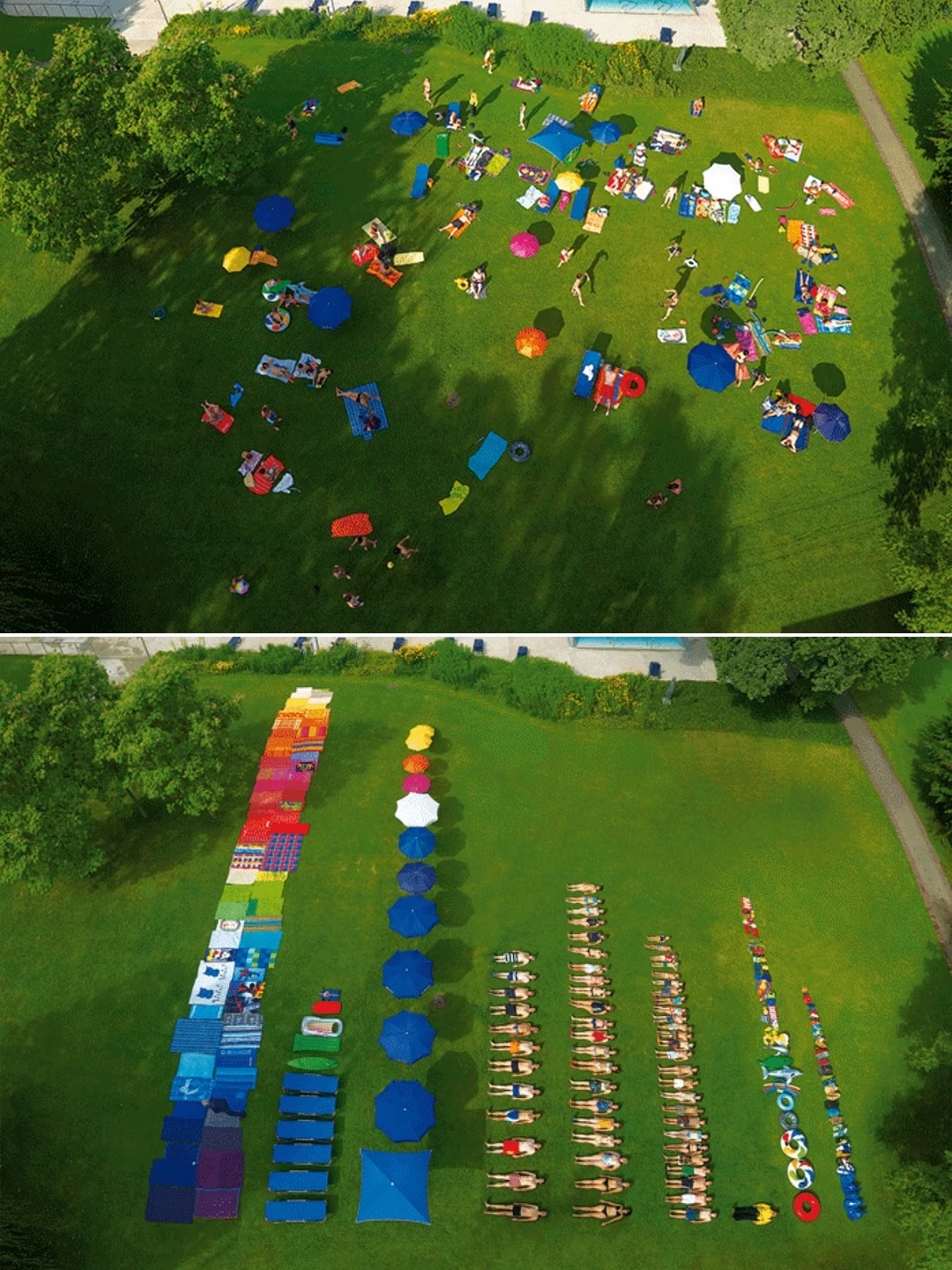
The Grim Diptyches of “Tidying Up the World”.
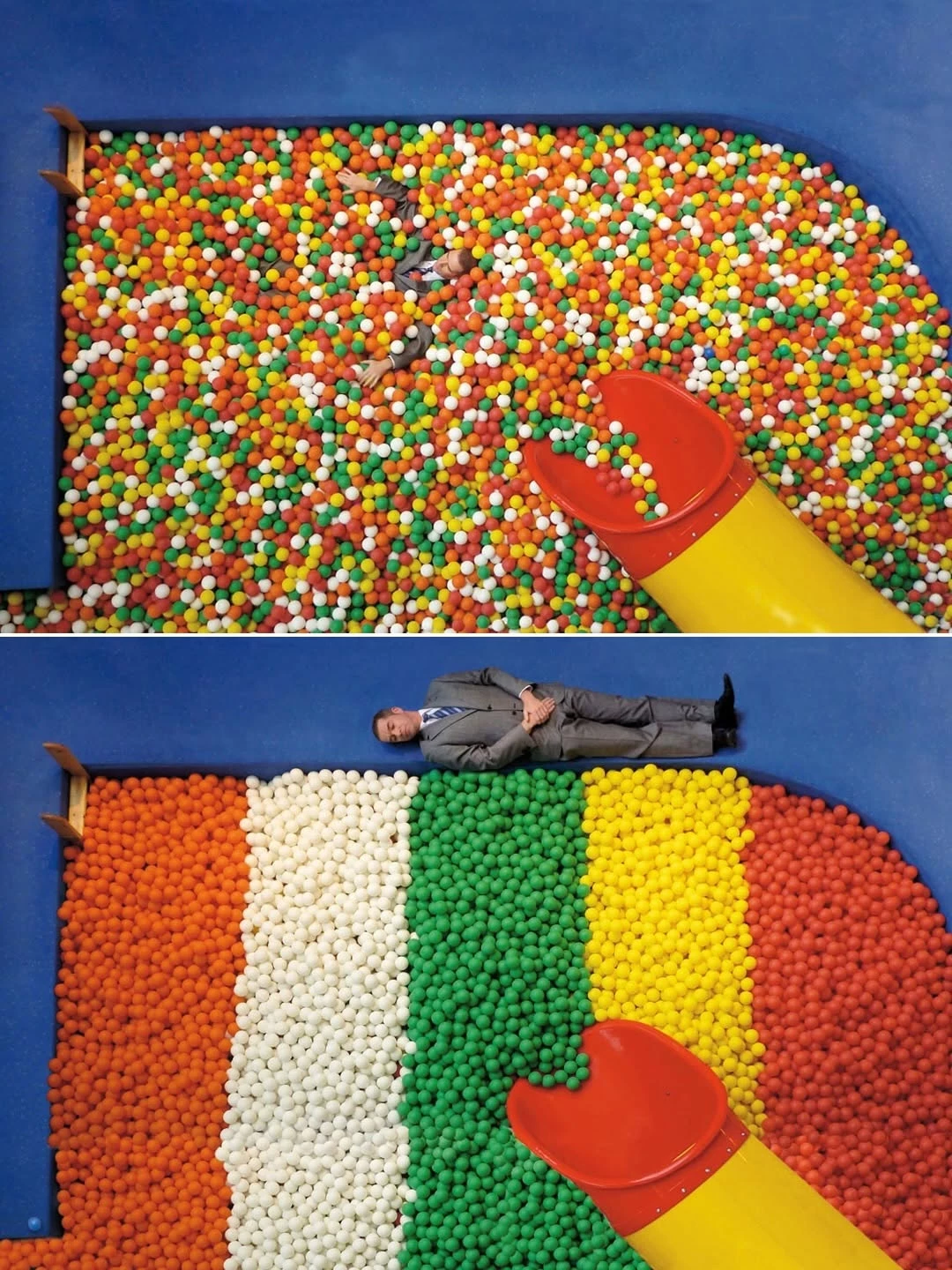
Moving beyond museums, the artist expands his enterprise to “Tidying Up the World”. Moreover, his photographic performances require logistics of absolute rigor. To align a parking lot of cars by color, he organizes a real casting. Through these striking diptychs opposing chaos and emptiness, Wehrli demonstrates a truth. When everything is perfectly aligned, the joy of living immediately leaves the space. Boredom triumphs as soon as life stops overflowing.
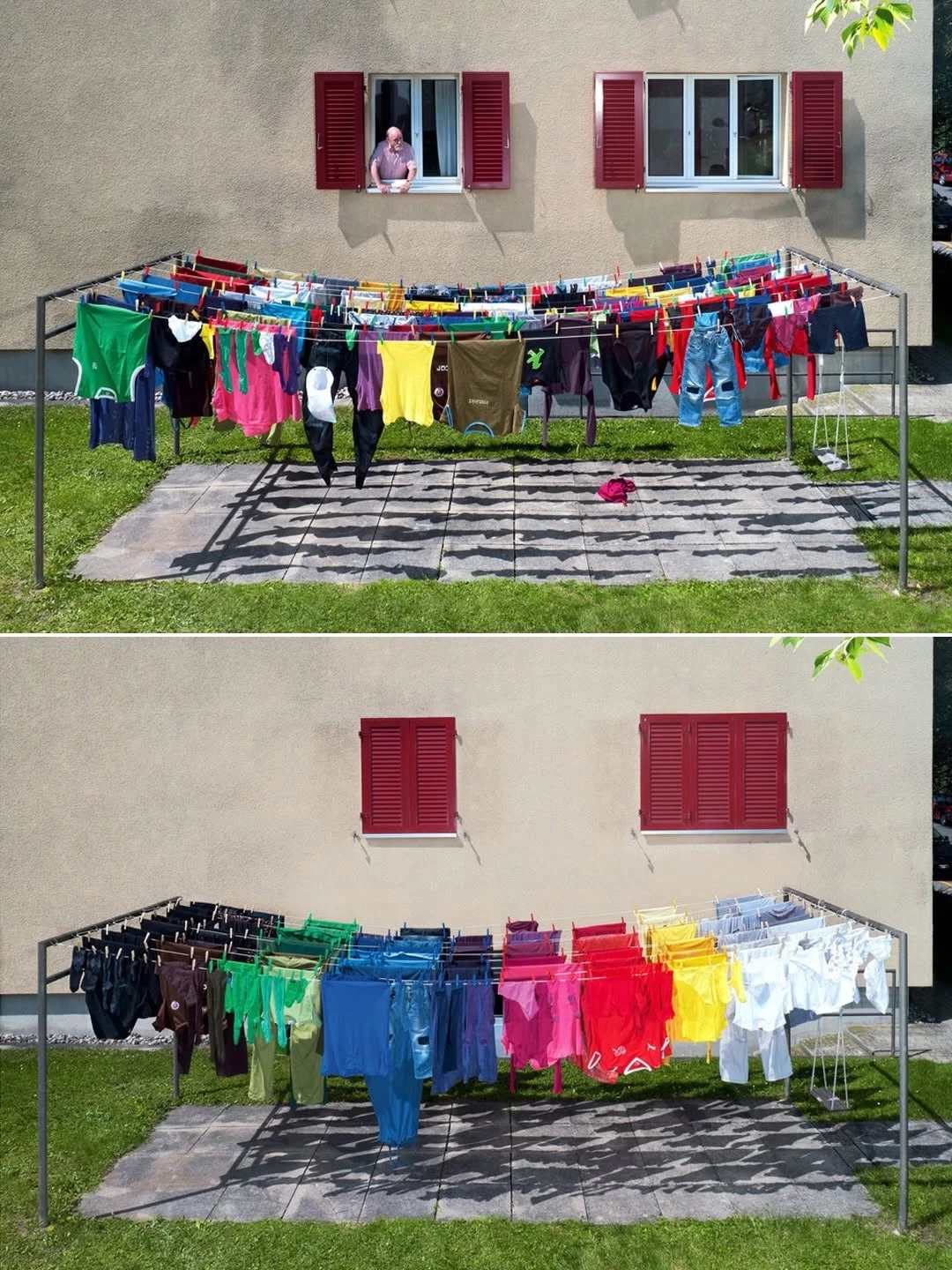
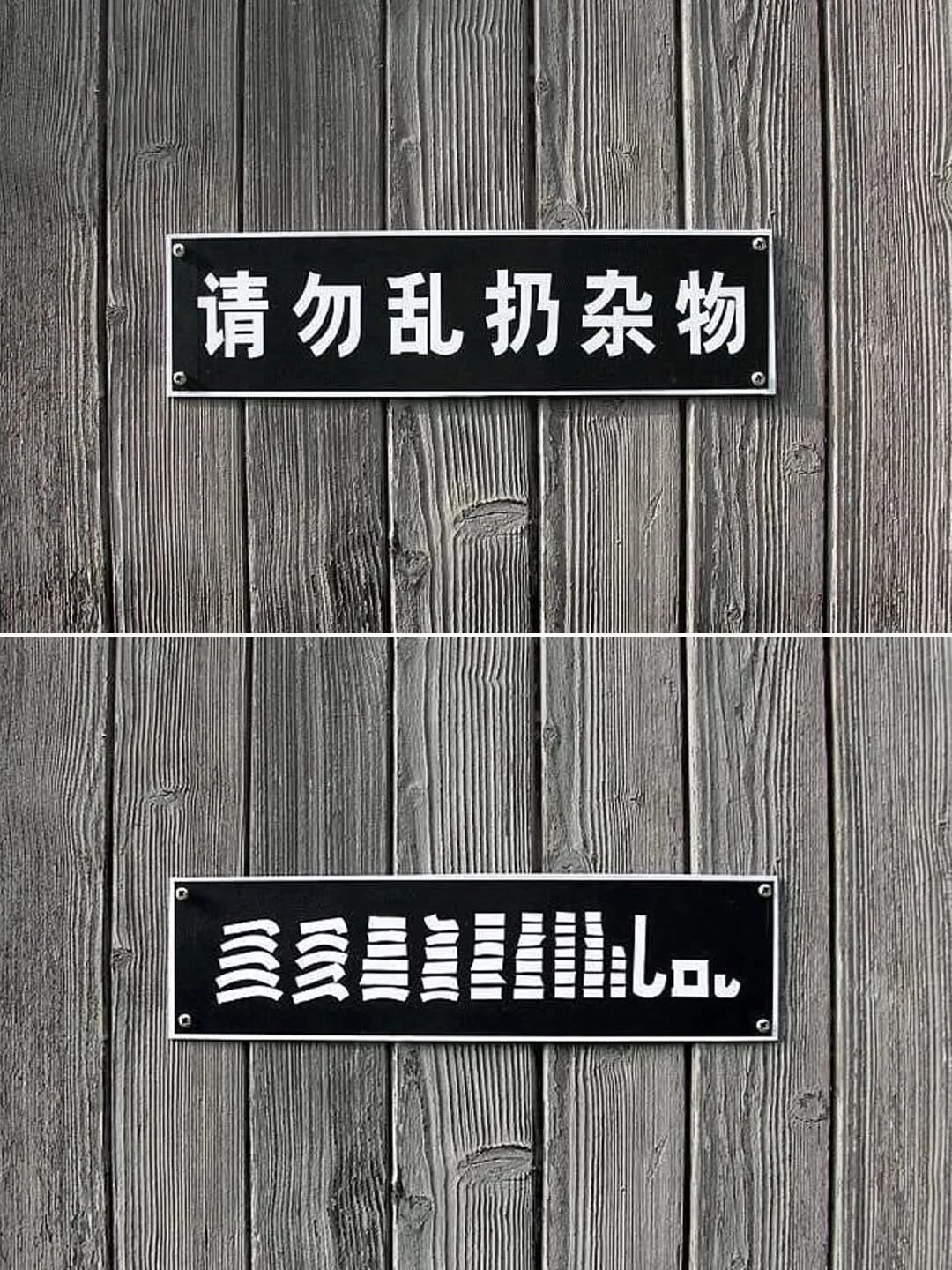
The Joyful Resistance of Nature Against Square Rules.
This fight against the organic gets delightful when Herr Wehrli tries to subdue nature. In a famous video, he walks into a flock of sheep. He then tries desperately to sort the animals by wool color. Of course, the inevitable failure of this task fills the artist with joy. Nature thus resists the tyranny of contemporary right angles. This project stands as a poetic plea for the essential right to clutter.
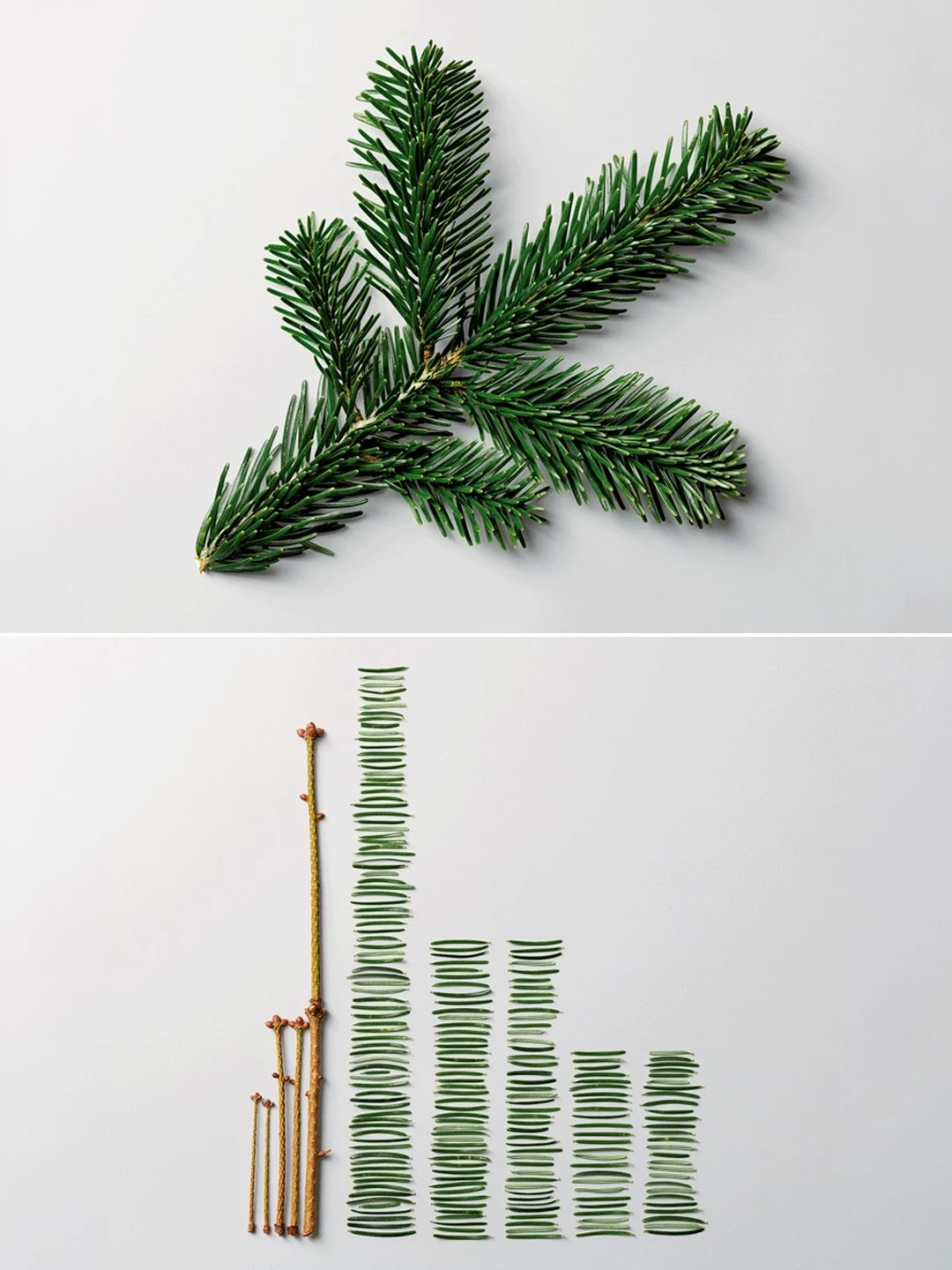
A Magical Paradox Published by Kein und Aber.
In conclusion, Ursus Wehrli’s work, published by Kein und Aber, finds a universal echo. Today, his books have become wonderful educational tools in global schools. By offering to rebuild a sorted painting kit, teachers have fun. They transform a classic art history lesson into a relaxed building game. Wehrli thus achieves a magical paradox by reviving a taste for creative chaos.
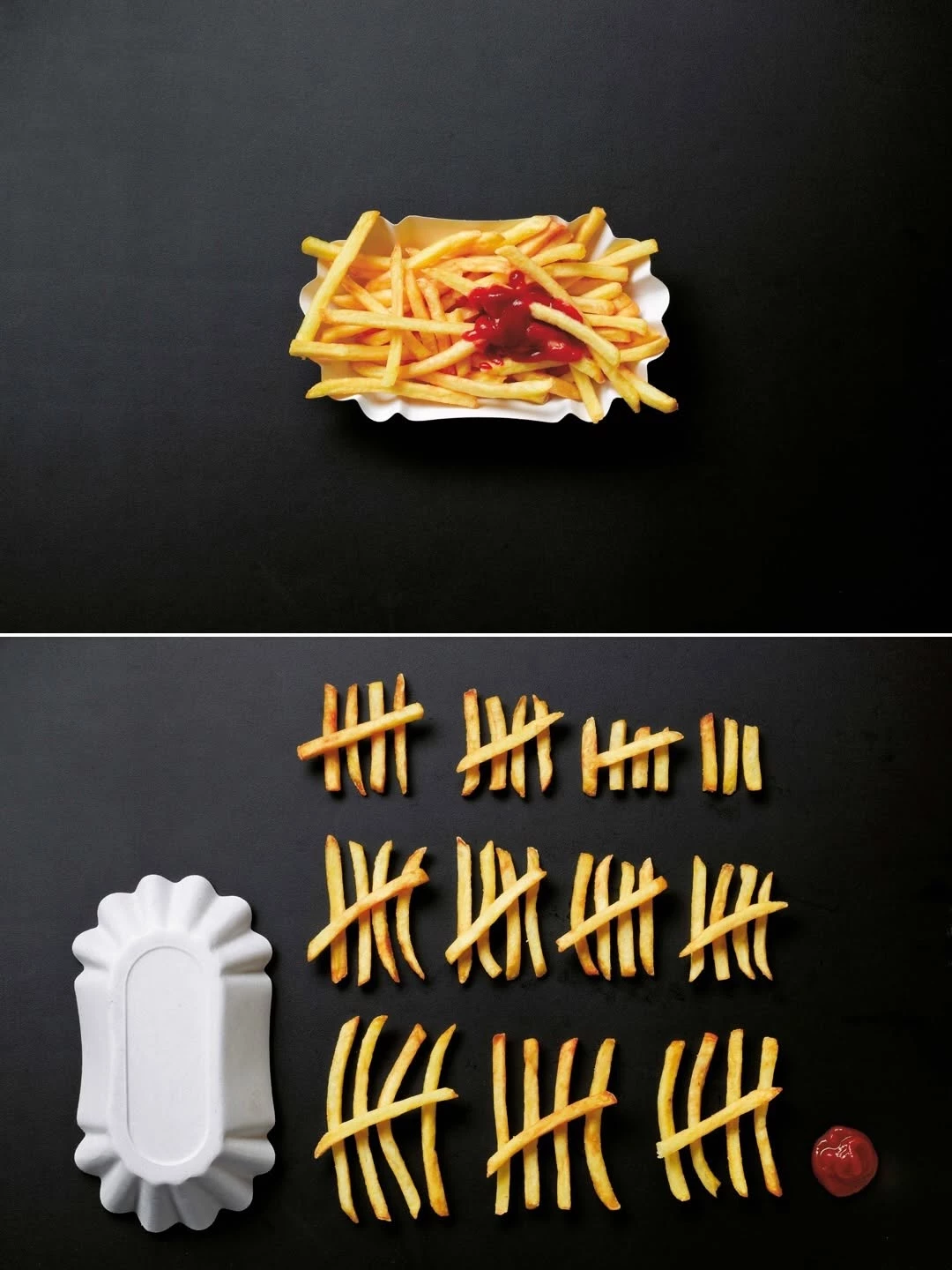
Conclusion: Creative Anarchy as a Cure for Standardisation.
To sum up, Ursus Wehrli holds up a magnifying mirror to us this May 2026. His feigned obsession with geometry reveals our own fear of emptiness. By tidying up the untouchable, he frees us from modern sorting diktats. His quirky, ephemeral art celebrates the healthy beauty of the unexpected. Ultimately, cleaning the world is just a pretext to make us reinvent it joyfully.