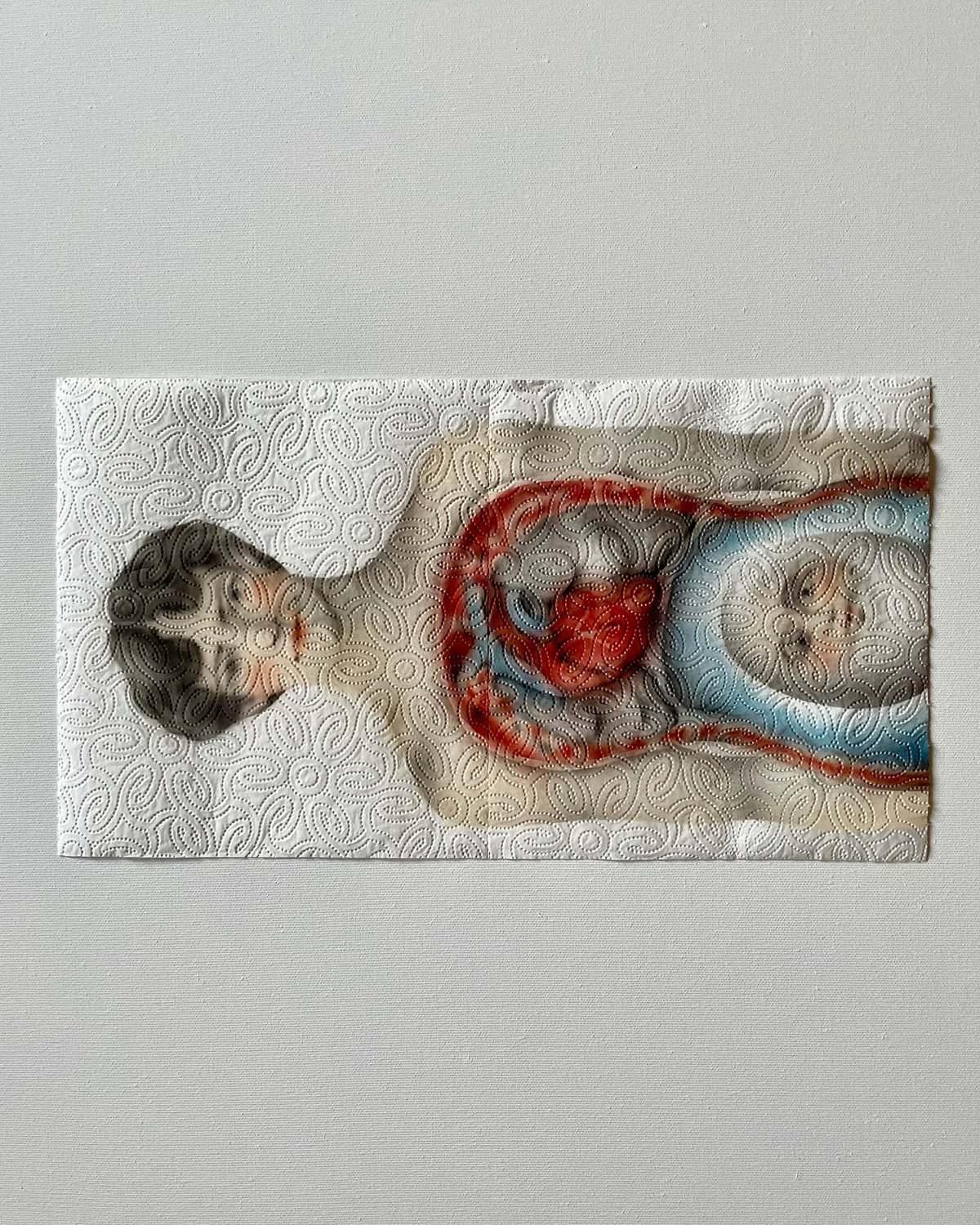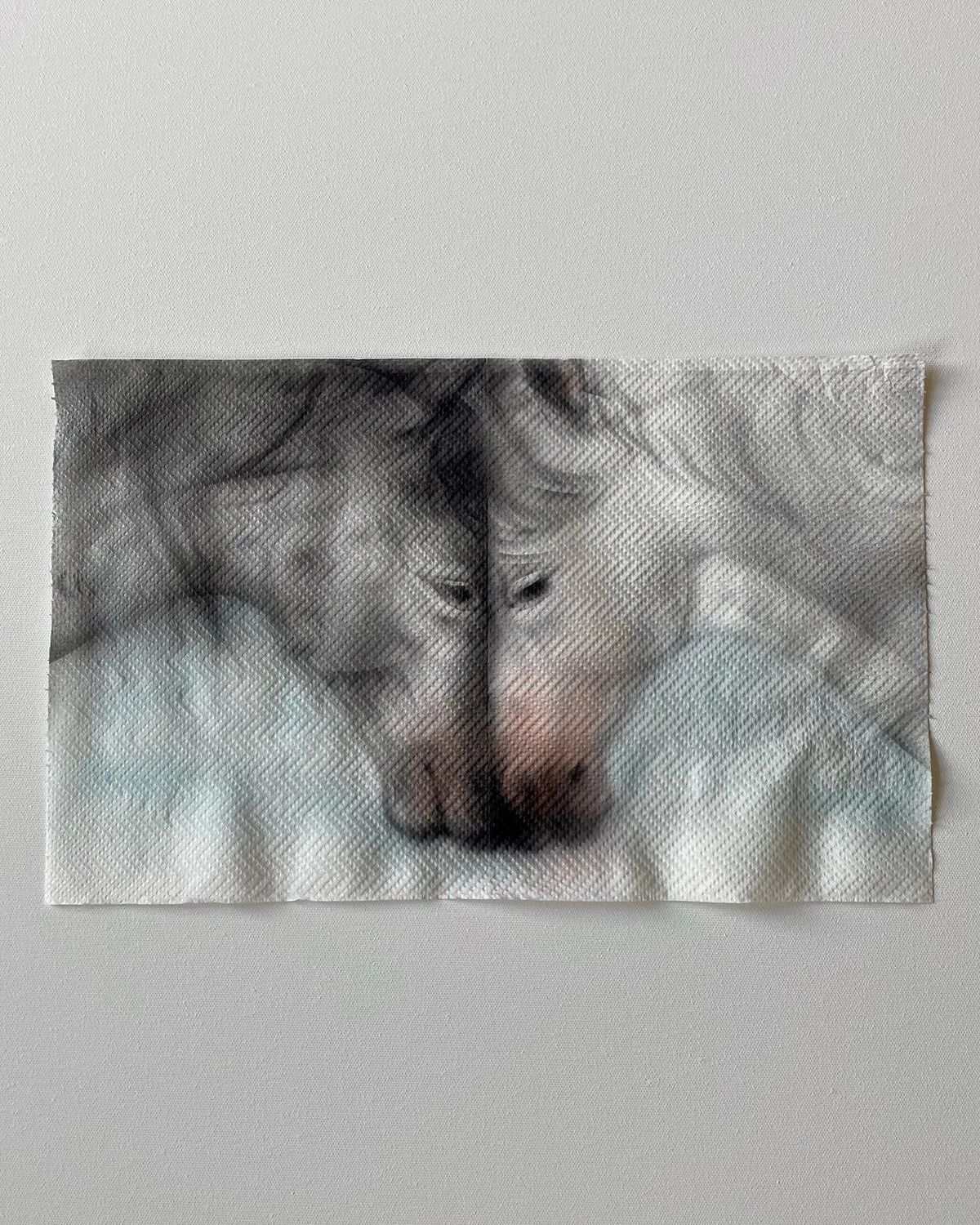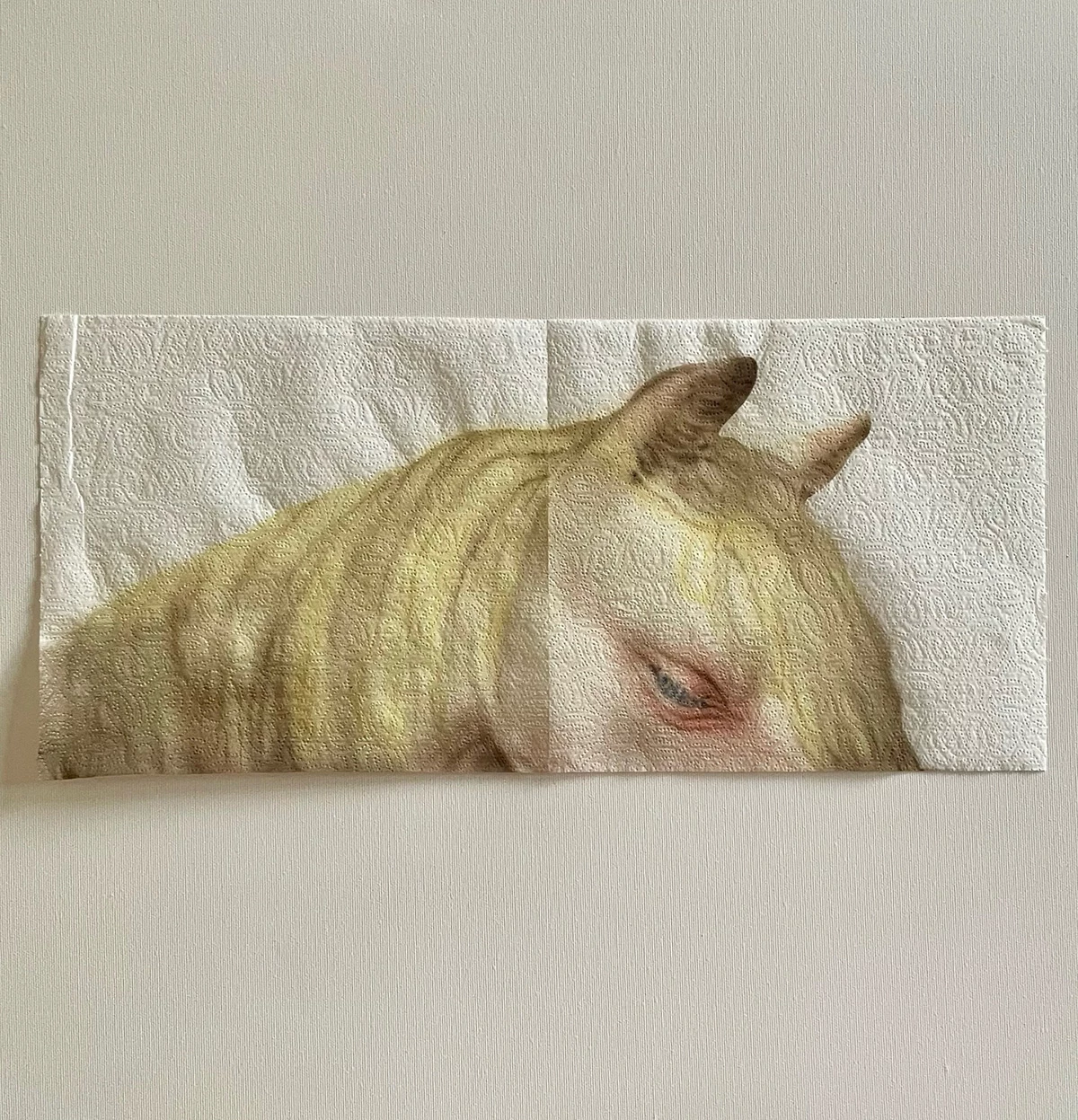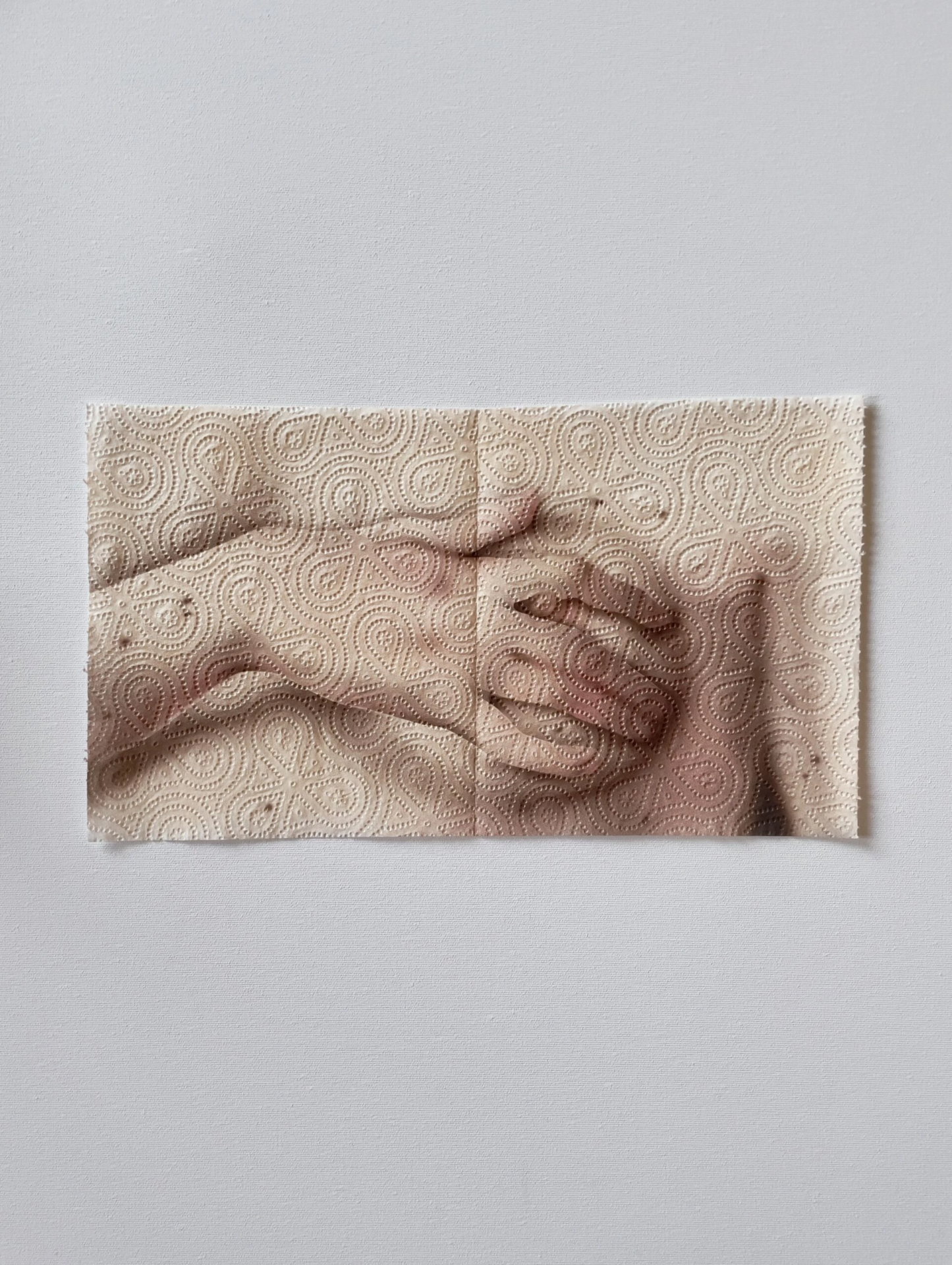
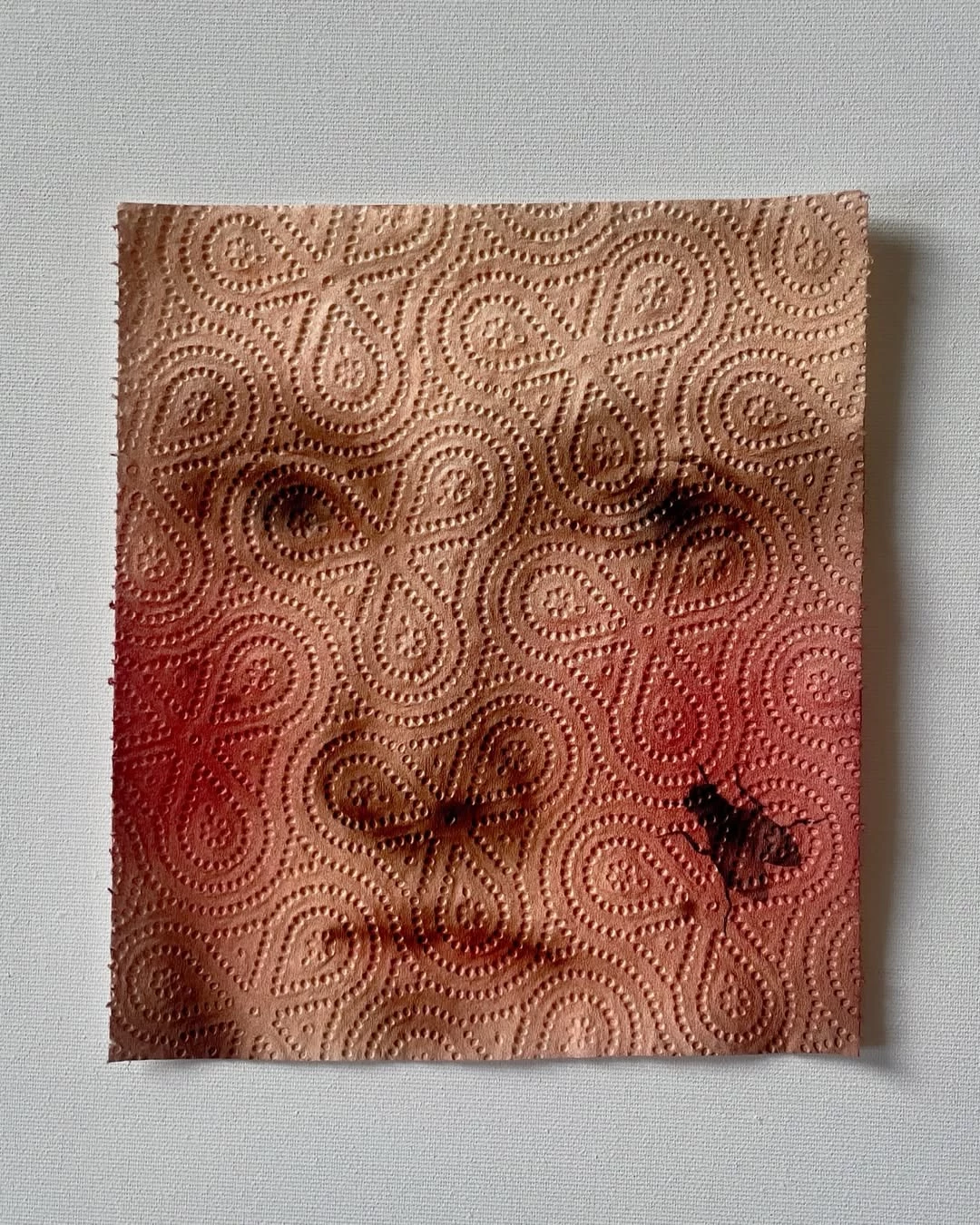
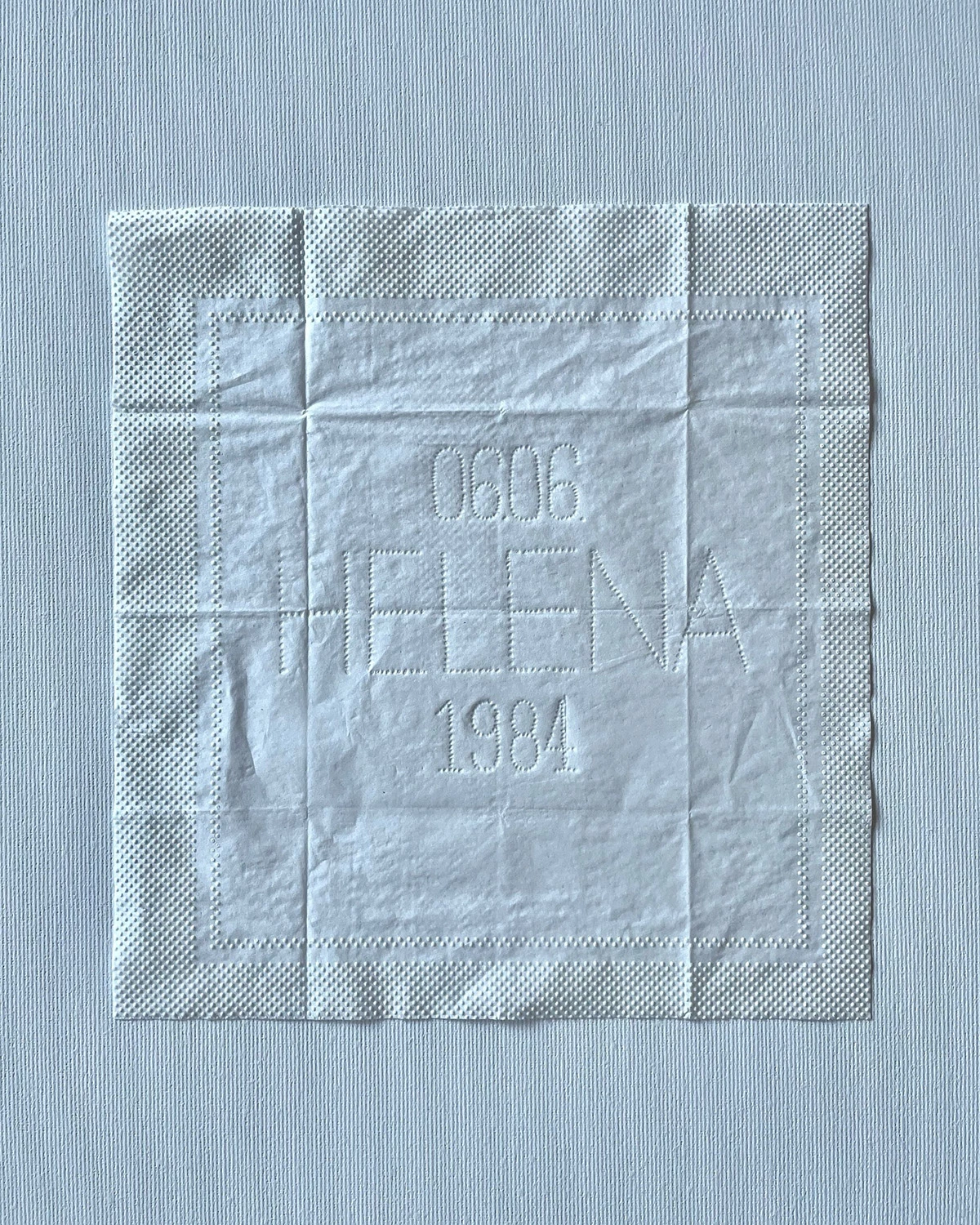
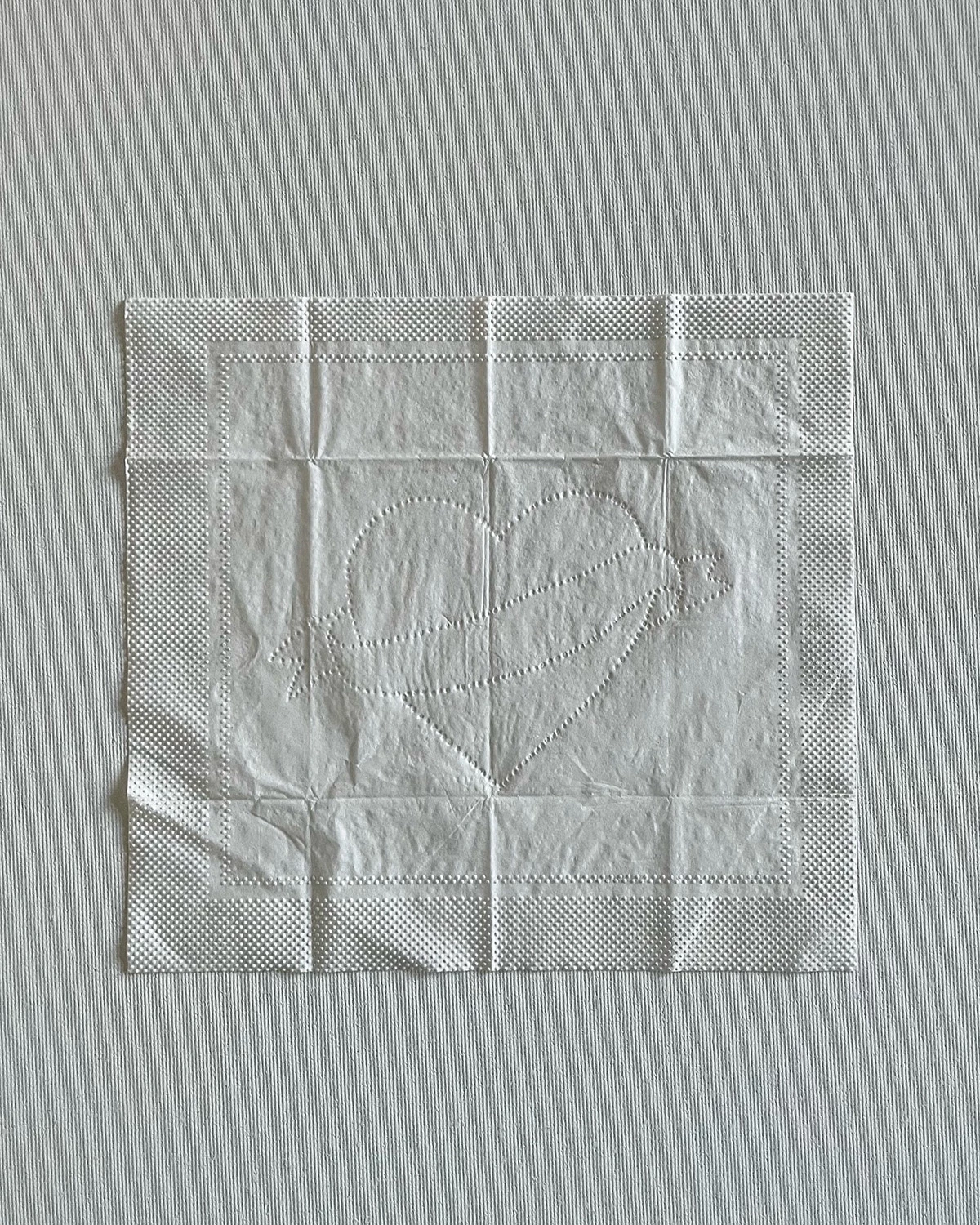
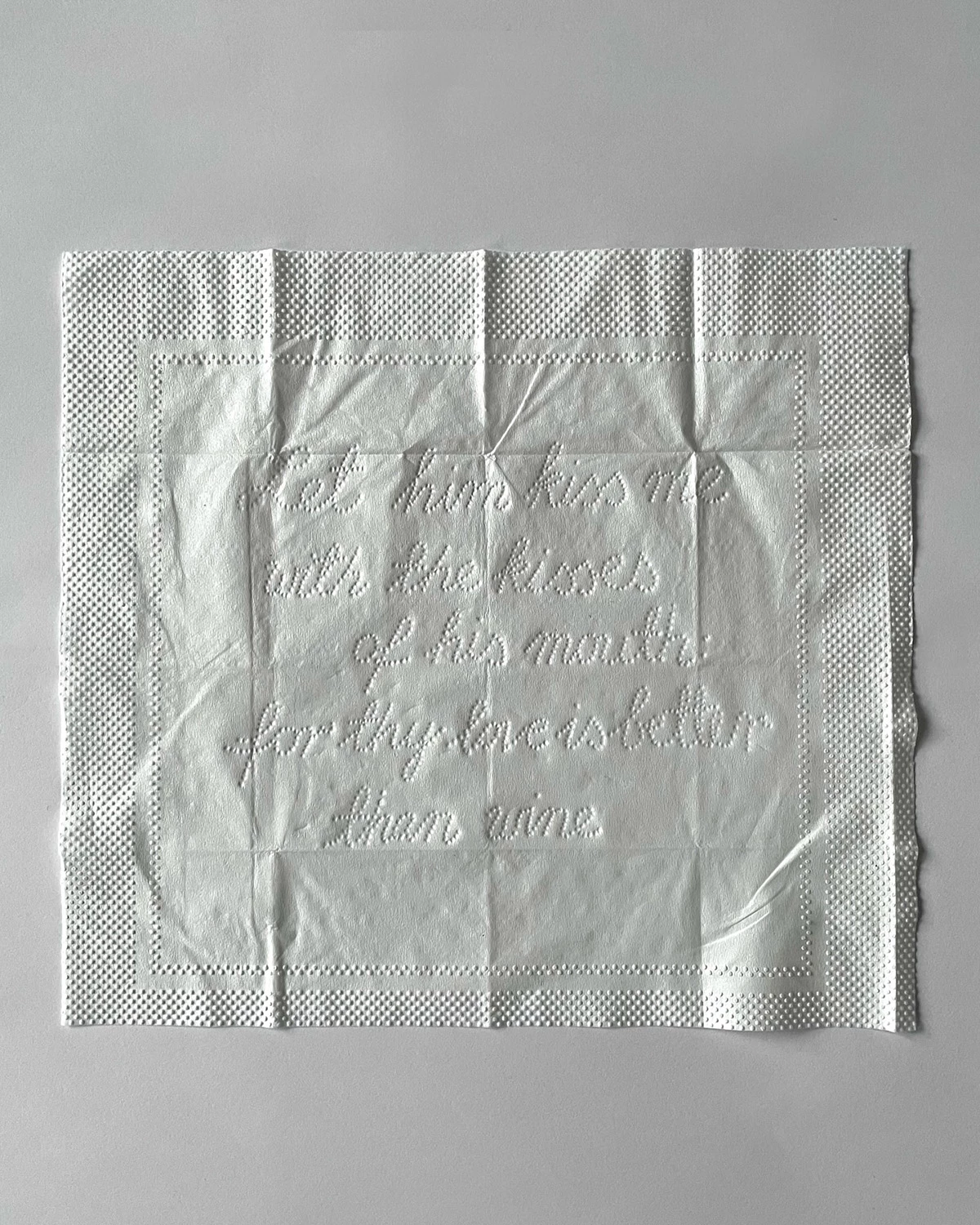
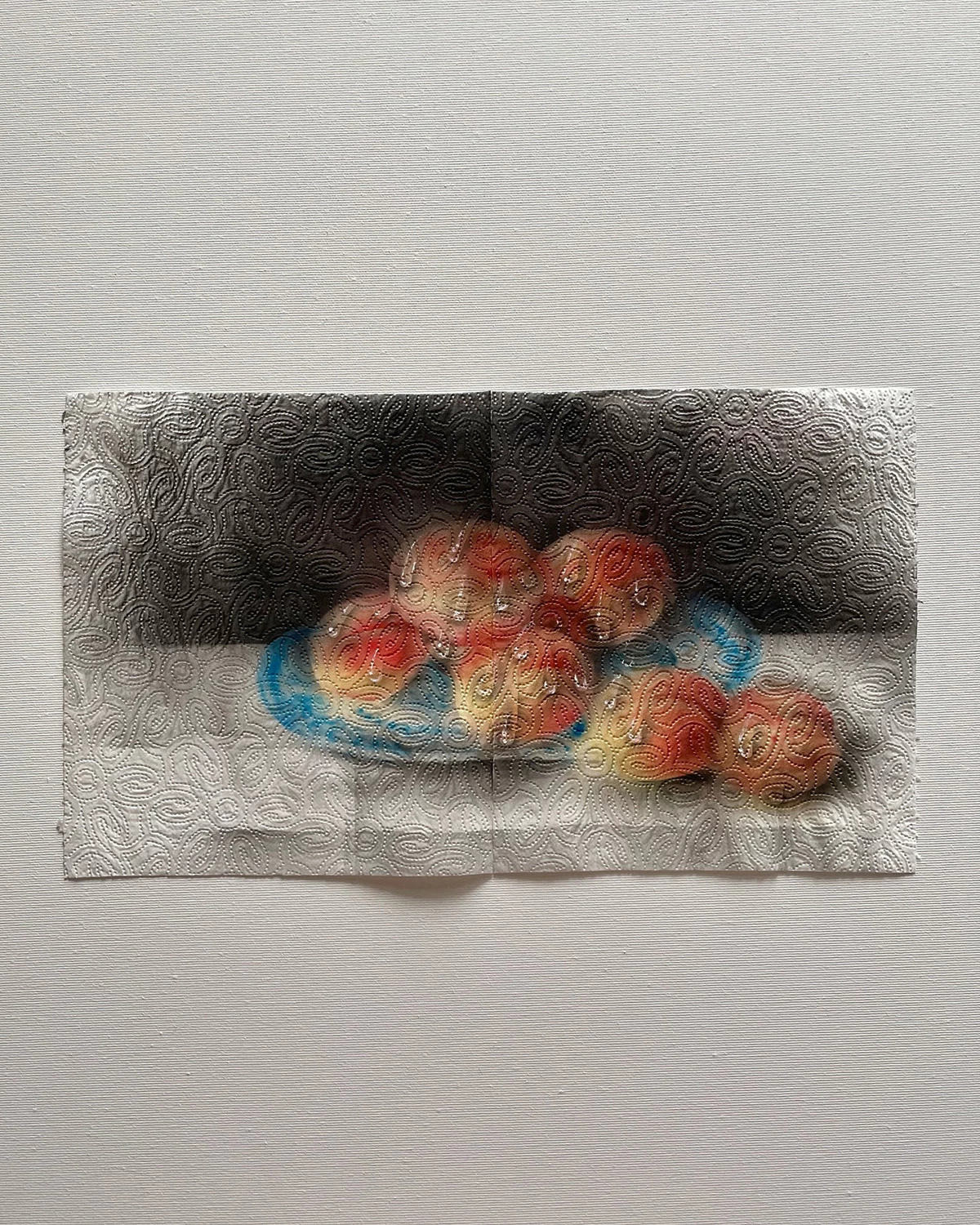
Block: Intro Paragraph While for most of us, a paper napkin or a roll of toilet paper are merely utilitarian objects destined for the bin, for Helena Minginowicz, they represent the ultimate canvas. This contemporary artist pushes the boundaries of art by painting striking visuals on these extremely delicate surfaces. Using an airbrush, she captures faces and landscapes with surgical precision, transforming potential waste into fascinating collector’s pieces.
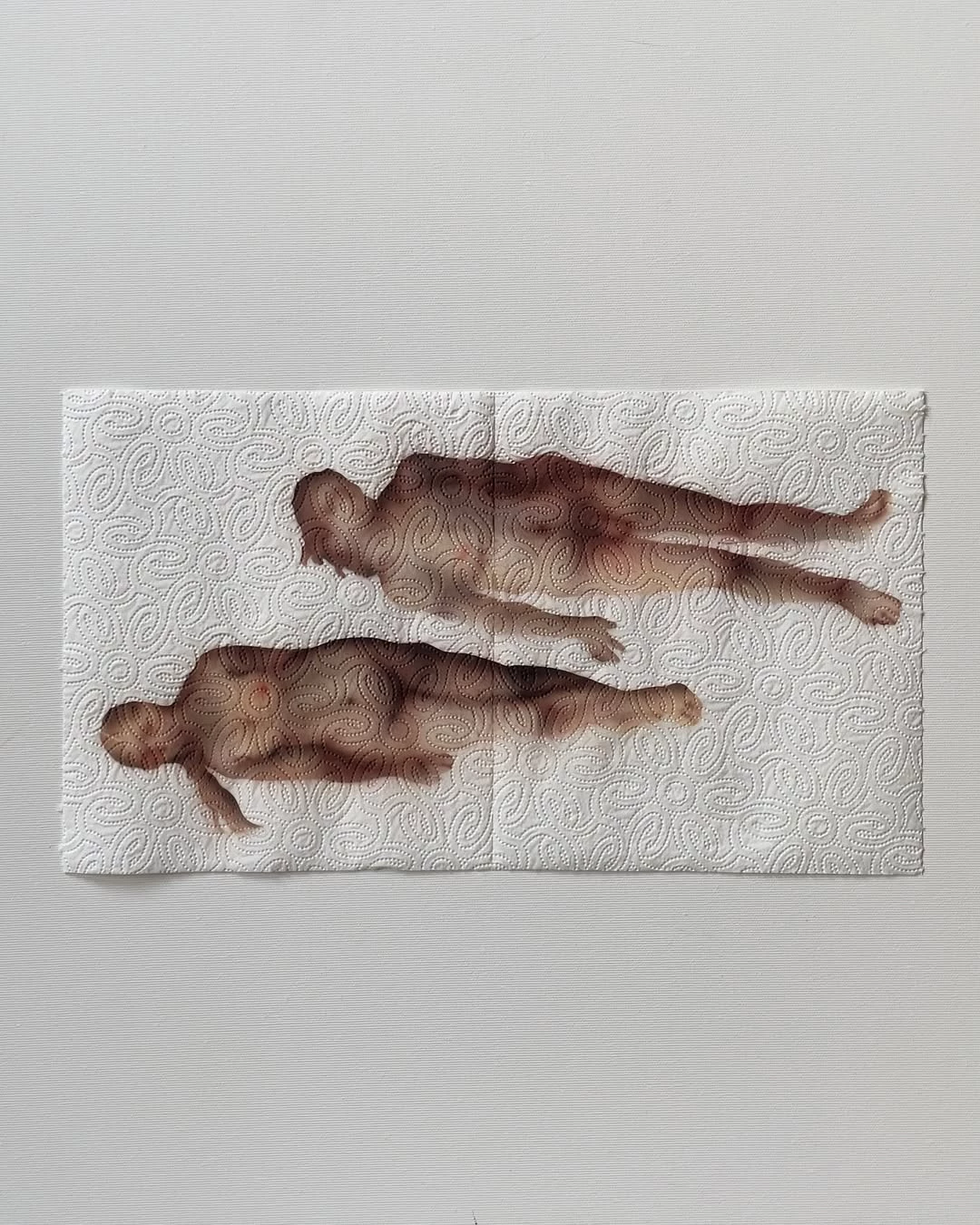
The Aesthetic of Impermanence
Choosing such a precarious medium is a philosophical act. By working on a material that can tear at the slightest breath, the artist questions the transitory nature of art. Her creations celebrate vulnerability: they remind us that beauty is often fleeting. It is an art of the “present moment” that accepts its own fragility from the very start, echoing the fleeting nature of our own memories.
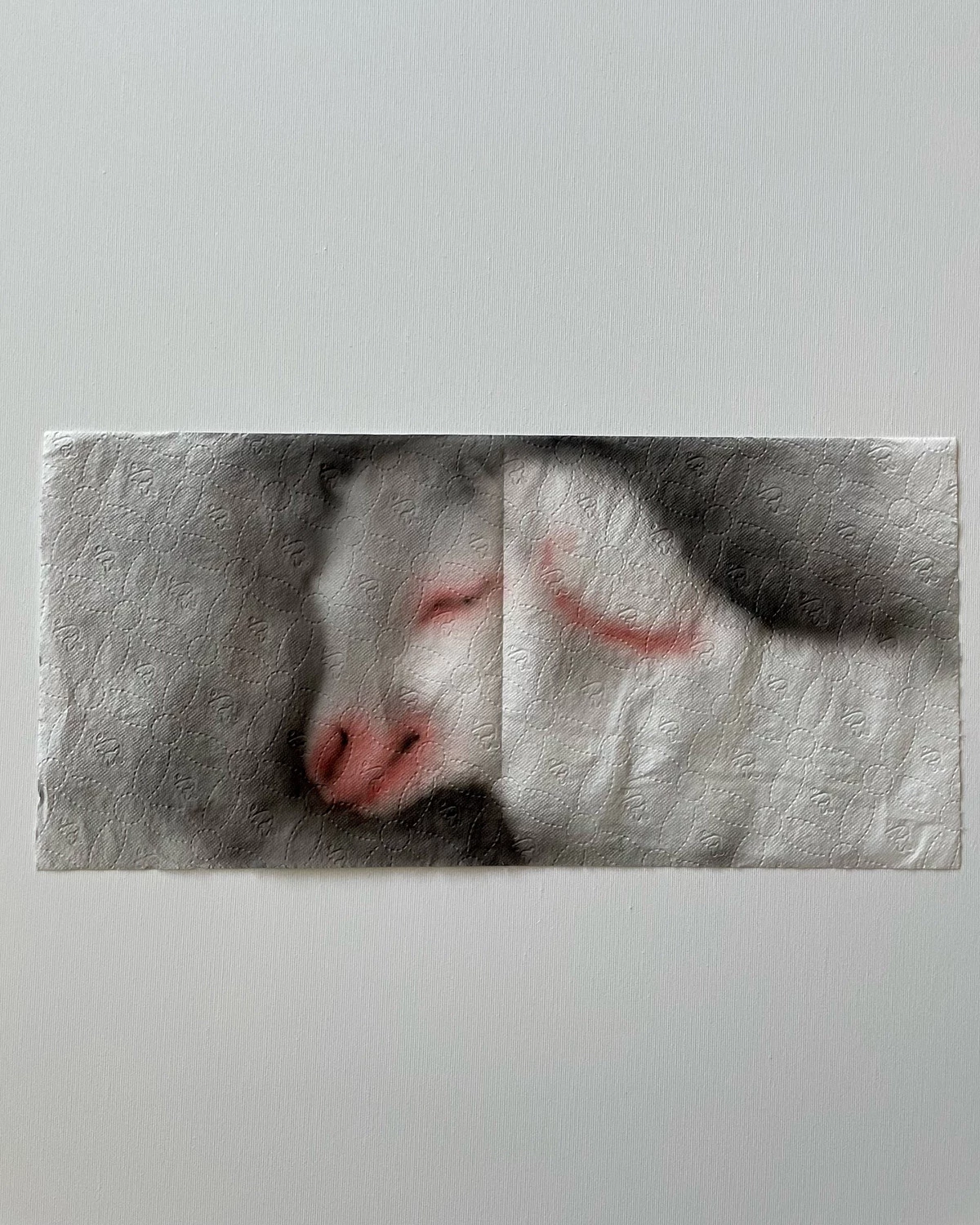
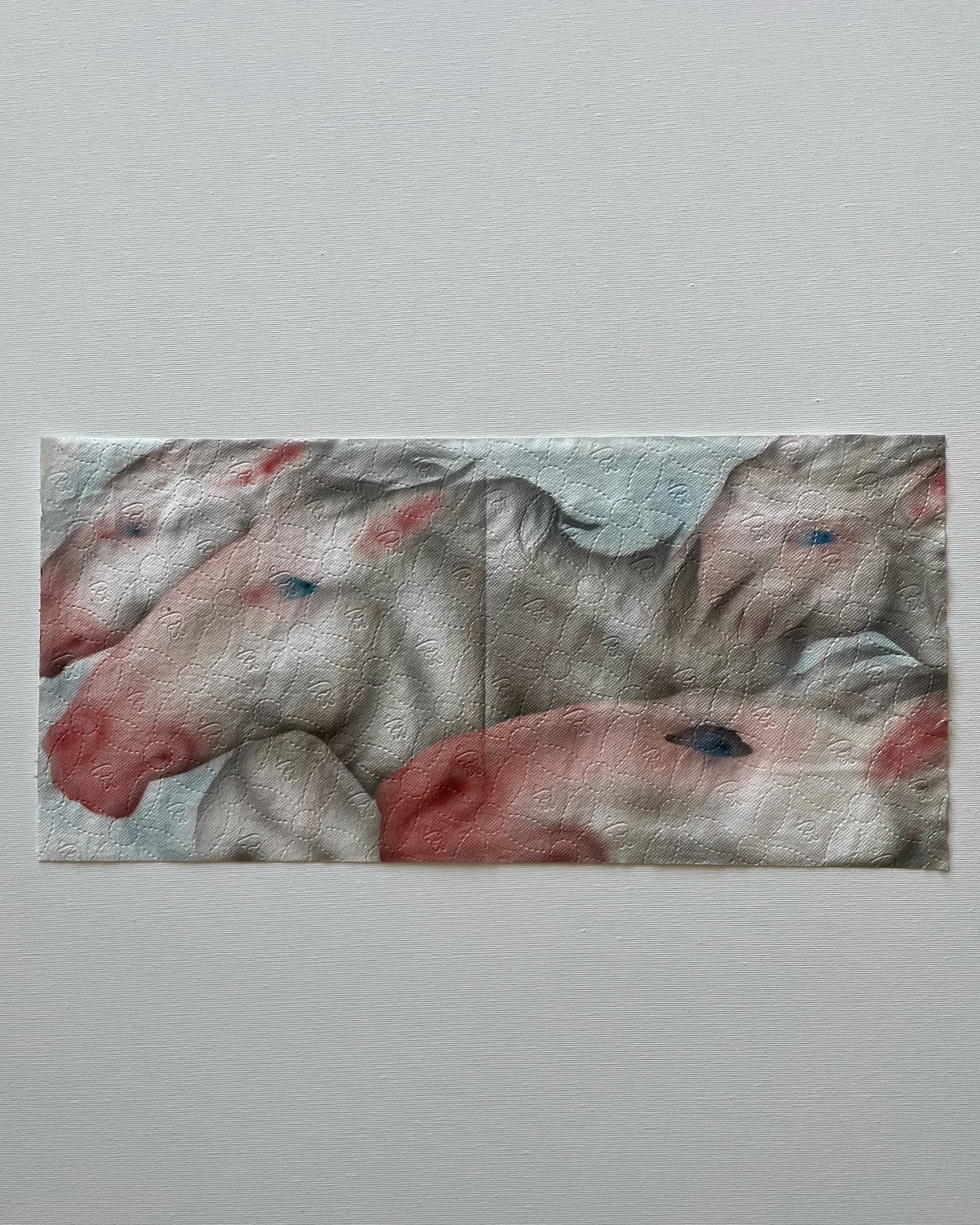
The Technical High-Wire Act of Airbrushing
Technically, her approach is a constant challenge. Toilet paper allows for no mistakes: its irregular texture and high absorbency require perfect mastery of the airbrush. She must balance pressure and paint with infinite subtlety to create light and shadow without ever puncturing the fiber. The contrast between the triviality of the medium and the sophistication of the execution creates a stunning visual shock.
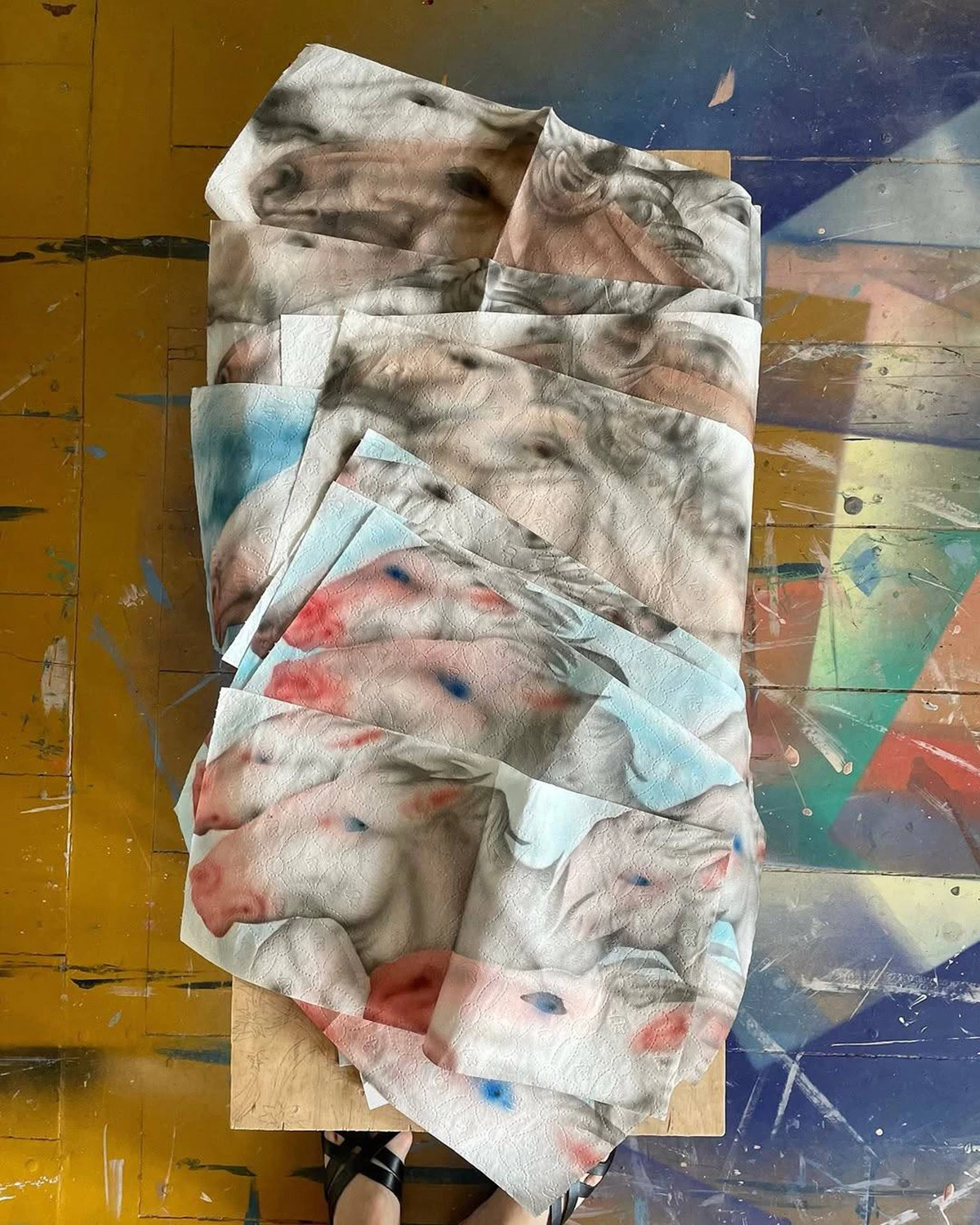
Elevating the Ordinary: A Critique of Consumerism
Beyond the technical feat, Minginowicz invites us to reconsider the value of simple things. By elevating an object we usually discard without thought, she proves that poetry can emerge from any element of our daily lives. It is a true lesson in humility, transforming the ordinary into the extraordinary and urging us to take a closer look at the most mundane items.
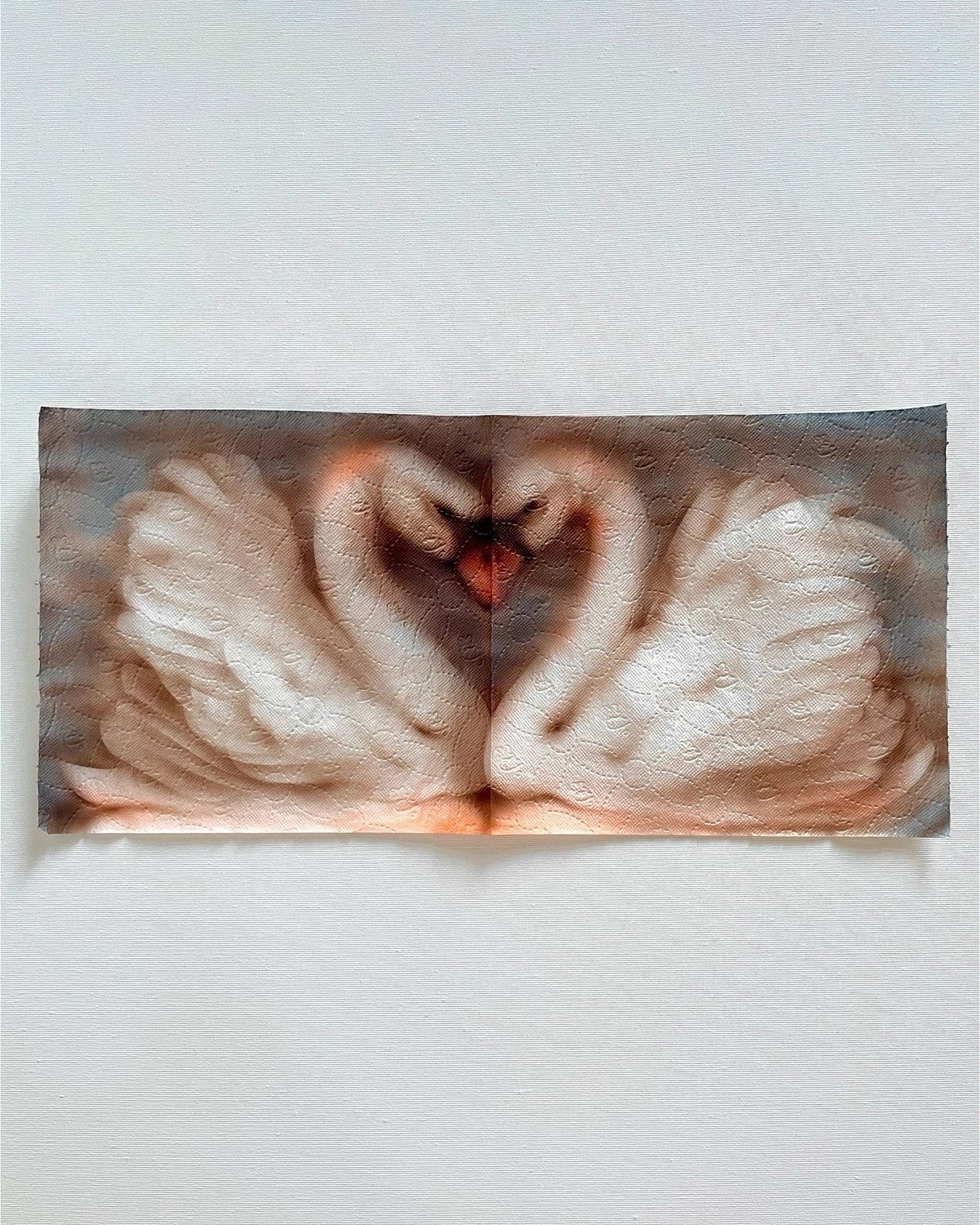
Helena Minginowicz’s work acts as a mirror to our relationship with time. Her portraits on disposable paper symbolize frozen moments that, paradoxically, are not meant to last. In a digital age, she reminds us that art does not need to be immortal to be powerful. Sometimes, it is precisely its destined disappearance that touches us most deeply.