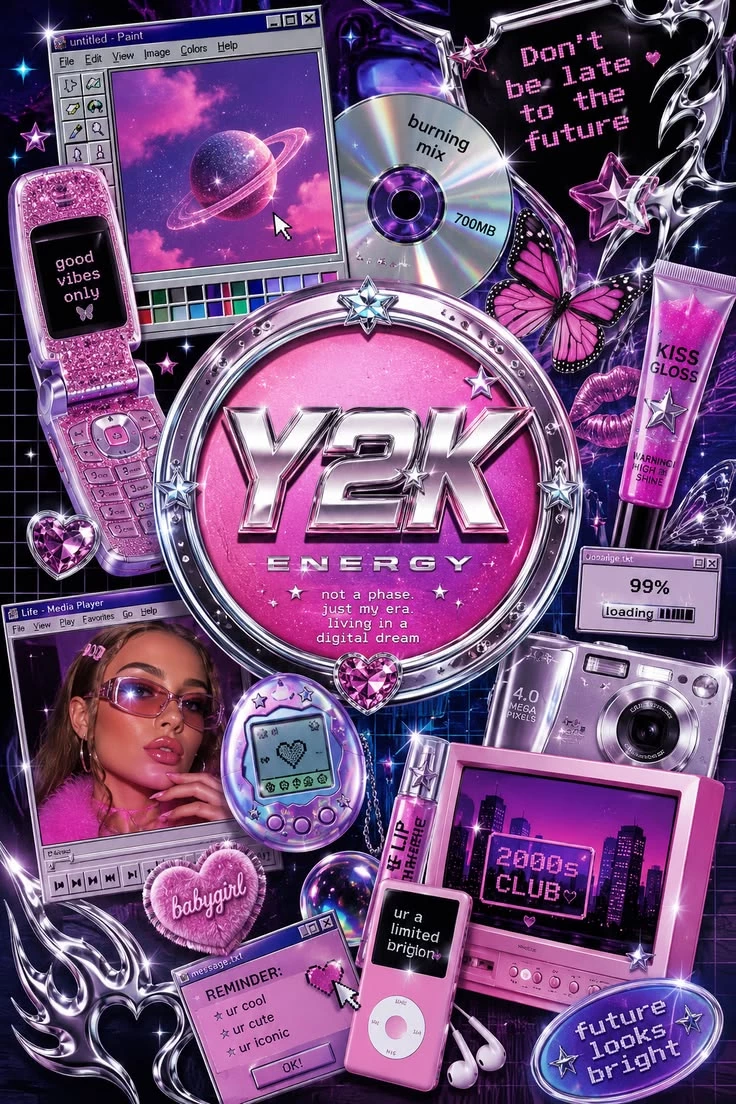
An aesthetic born from the digital fears and utopias of the year 2000
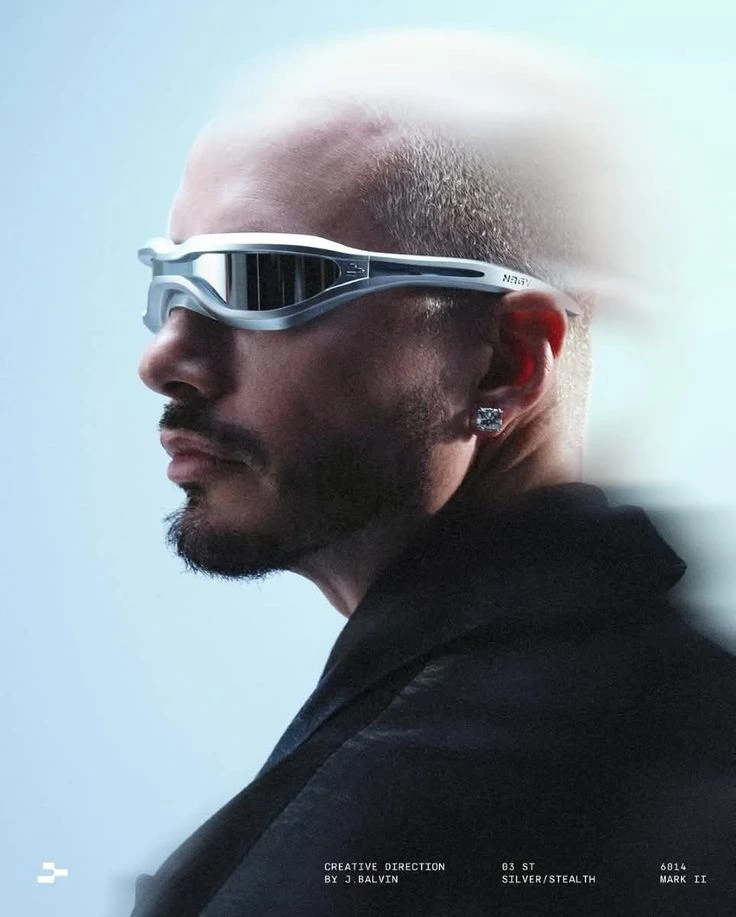
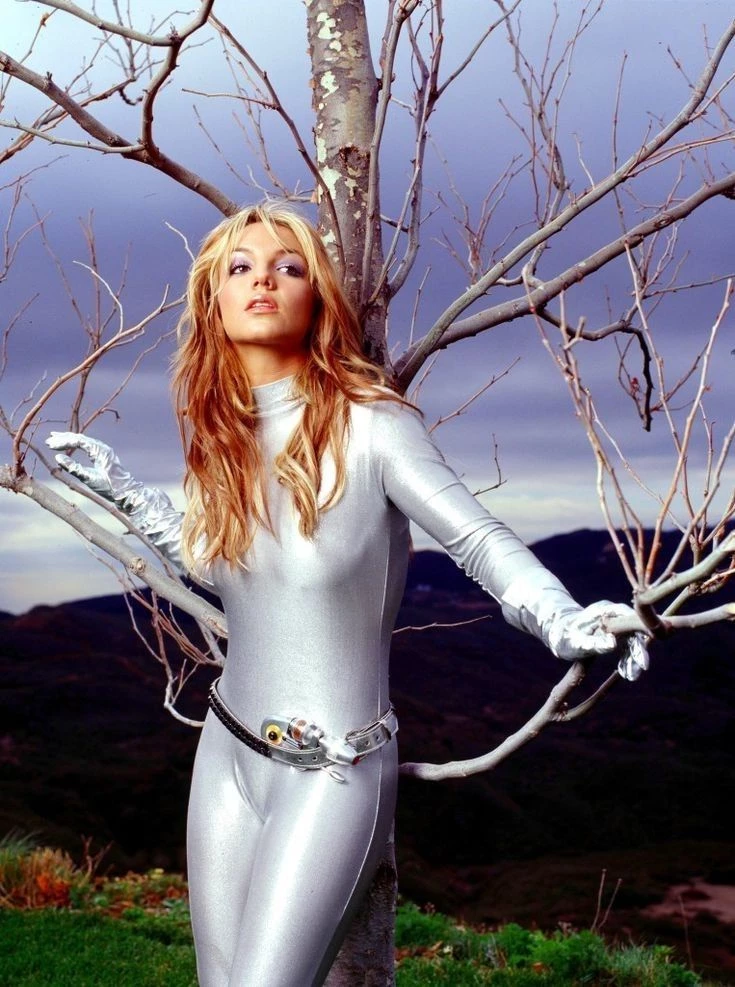
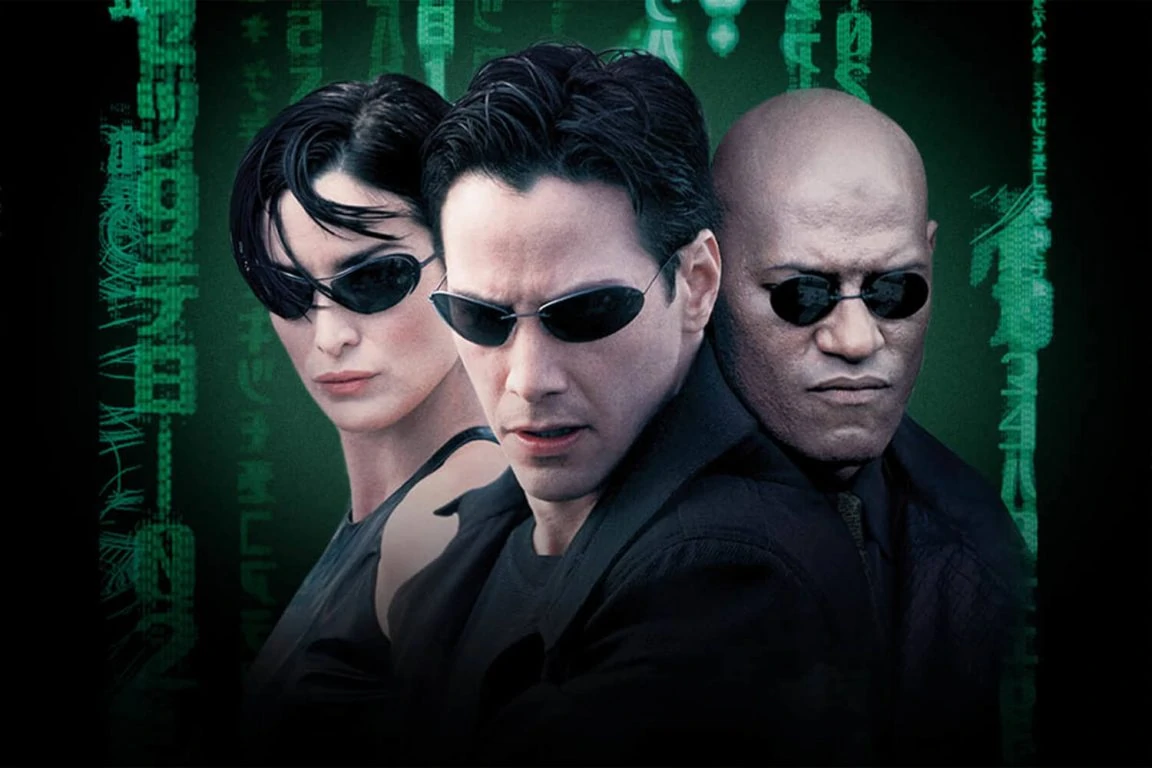
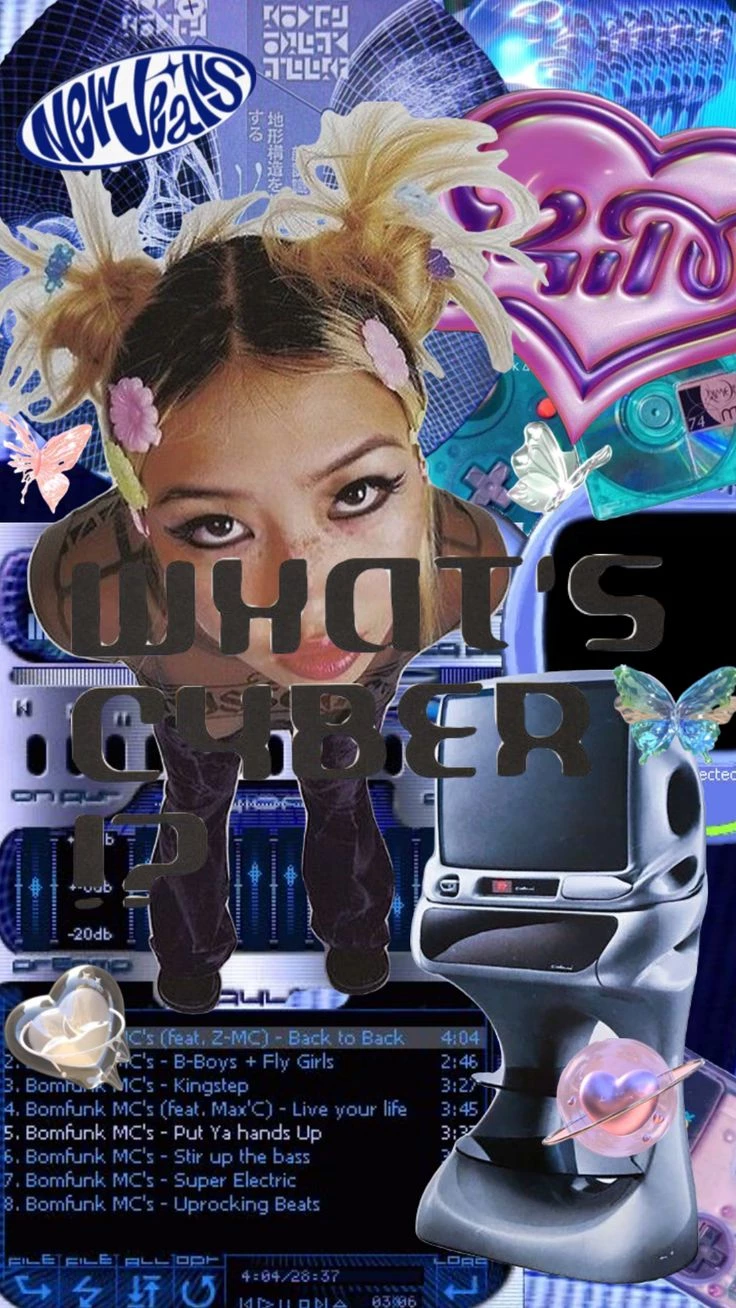
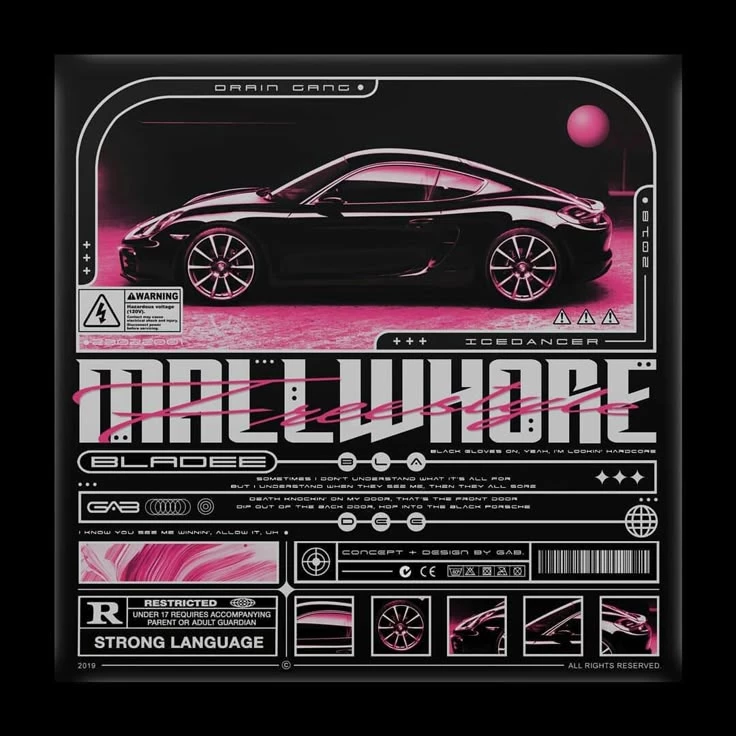
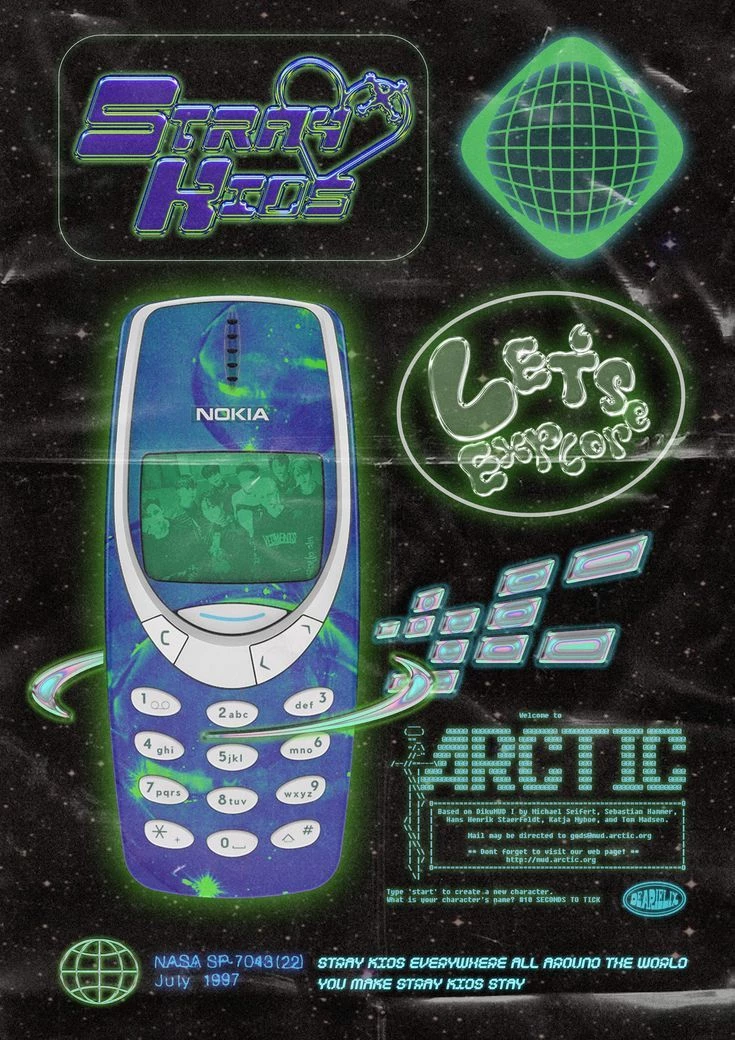
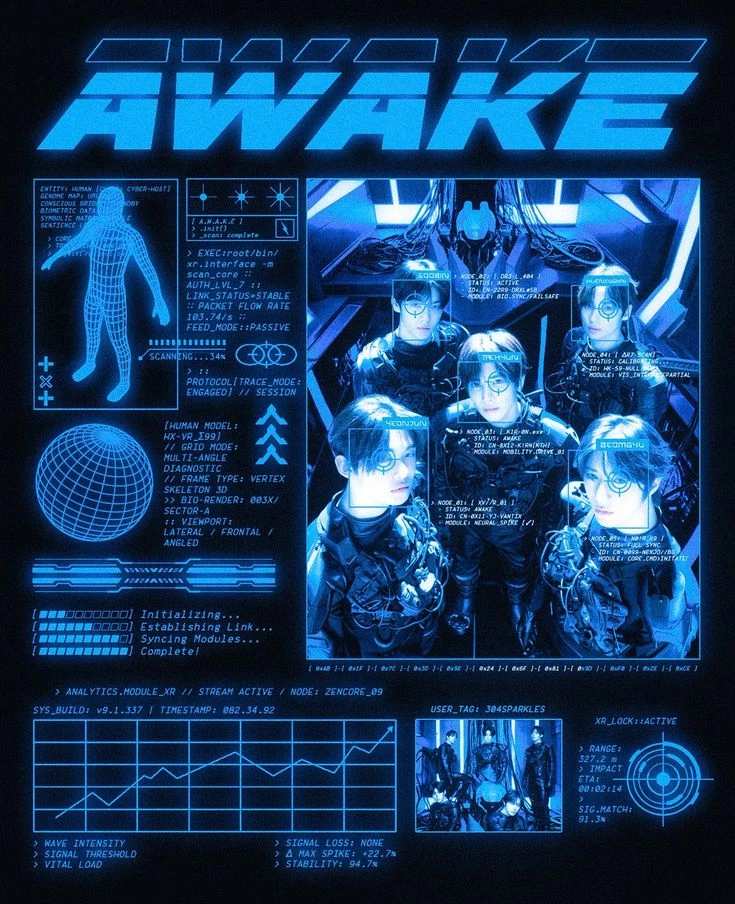
The Cyber-Y2K style roots itself in the technological tension and cultural fascination of the late 1990s. Fears surrounding the Y2K computer bug spurred a distinct retro-futuristic vision across cinema and music. Foundational works like The Matrix and the chrome-infused pop music videos of the era forged this unique visual identity. Long leather trench coats, wraparound sunglasses, and metallic textures embodied the promise of a thrilling future.
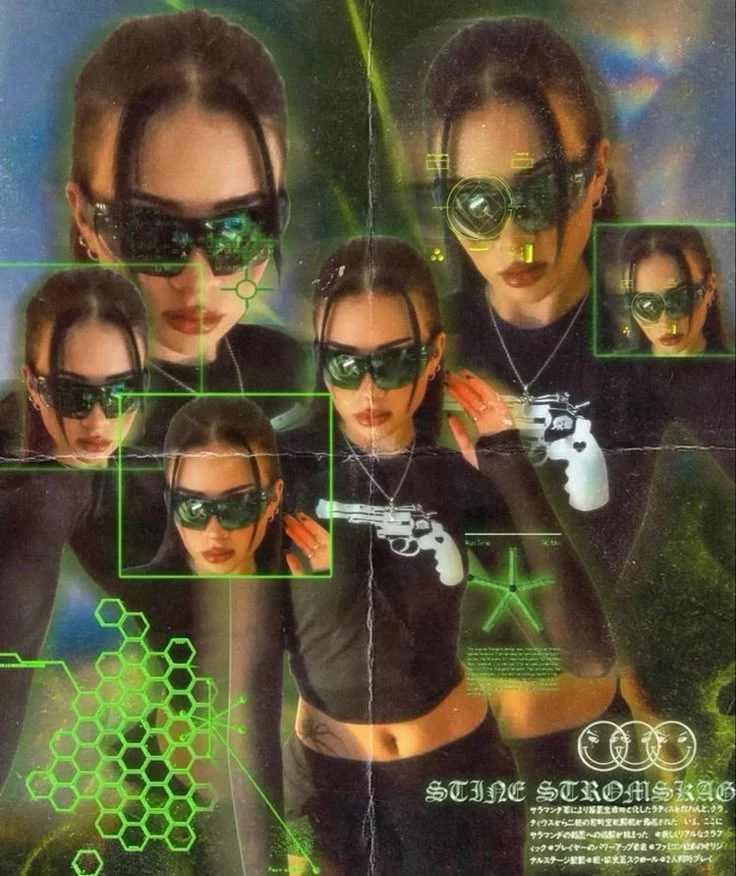
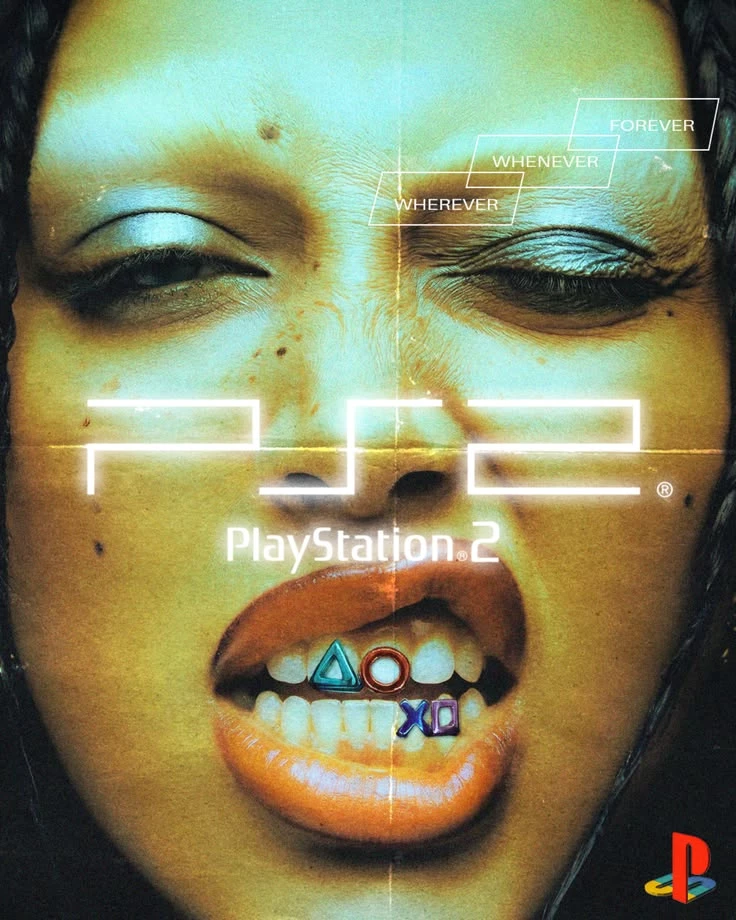
A sanctuary for youth seeking technological optimism and escape
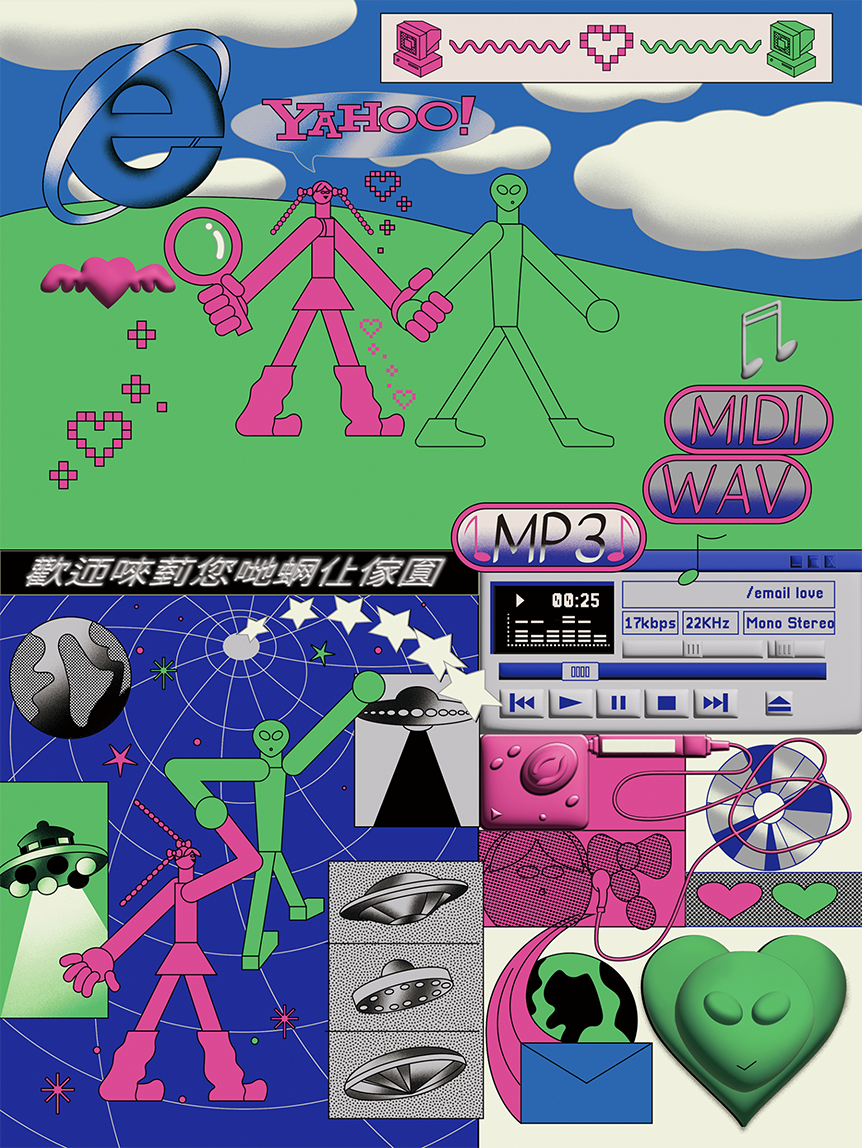
Gen Z is massively adopting these aesthetic codes in search of a future that once felt inspiring and utopian. Facing today’s contemporary crises, 15-to-25-year-olds find poetic comfort in this digitized past. The style symbolizes a bygone era when technology was viewed as a source of wonder rather than an anxiety-inducing threat to the planet. Reclaiming this look serves as a direct emotional response to the uncertainties of the modern world.
The virality of reflective materials amplified by social media
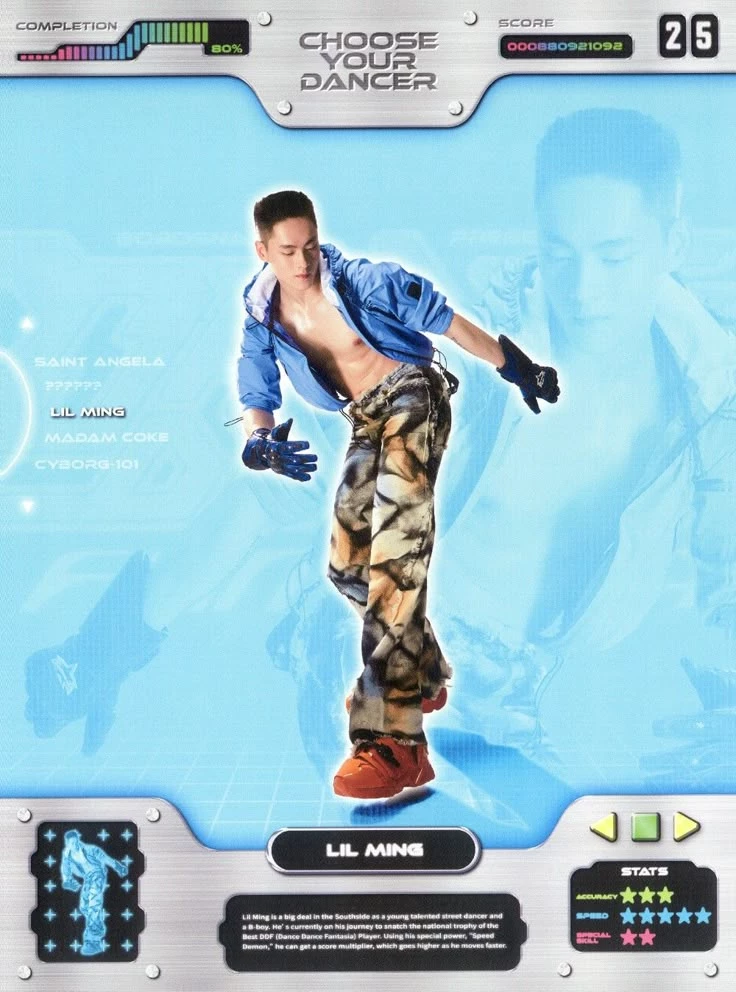
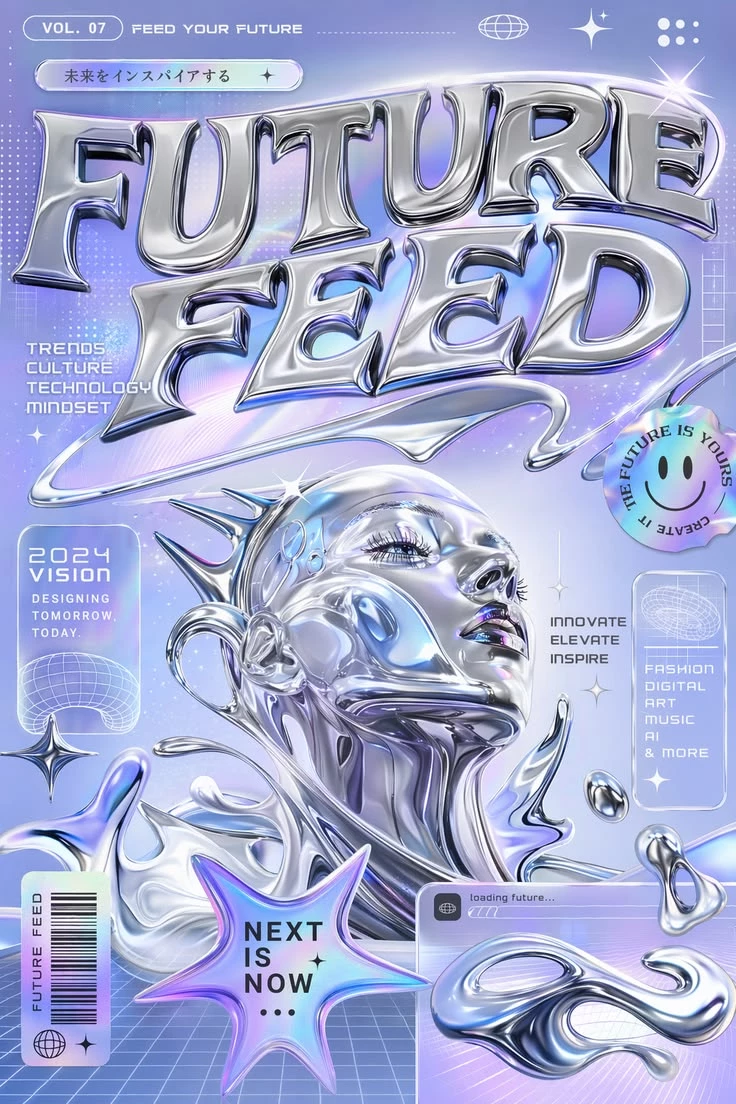
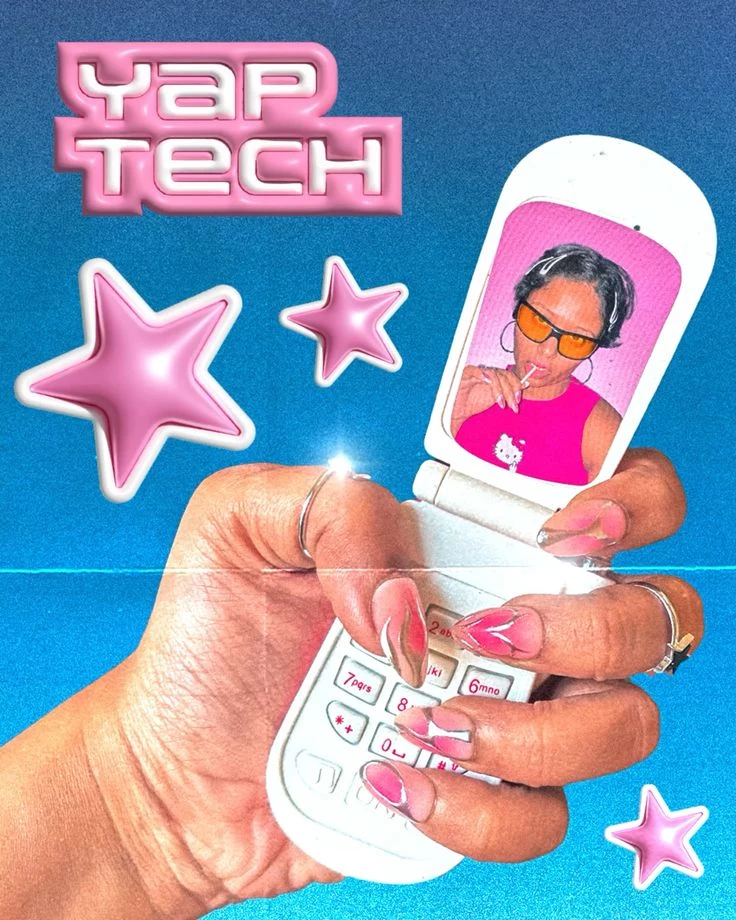
The omnipresence of Cyber-Y2K is also explained by its seamless fit with the visual culture of TikTok and Pinterest. Vinyl materials, sparkling chrome, and 3D typography capture screen lighting to perfection. These visual elements generate billions of views across digital platforms due to their high visual appeal. Retro-futurism has thus established itself as an essential trend, bridging runway nostalgia with algorithmic feeds.