The Chameleon Body and the Erasure of Individuality.
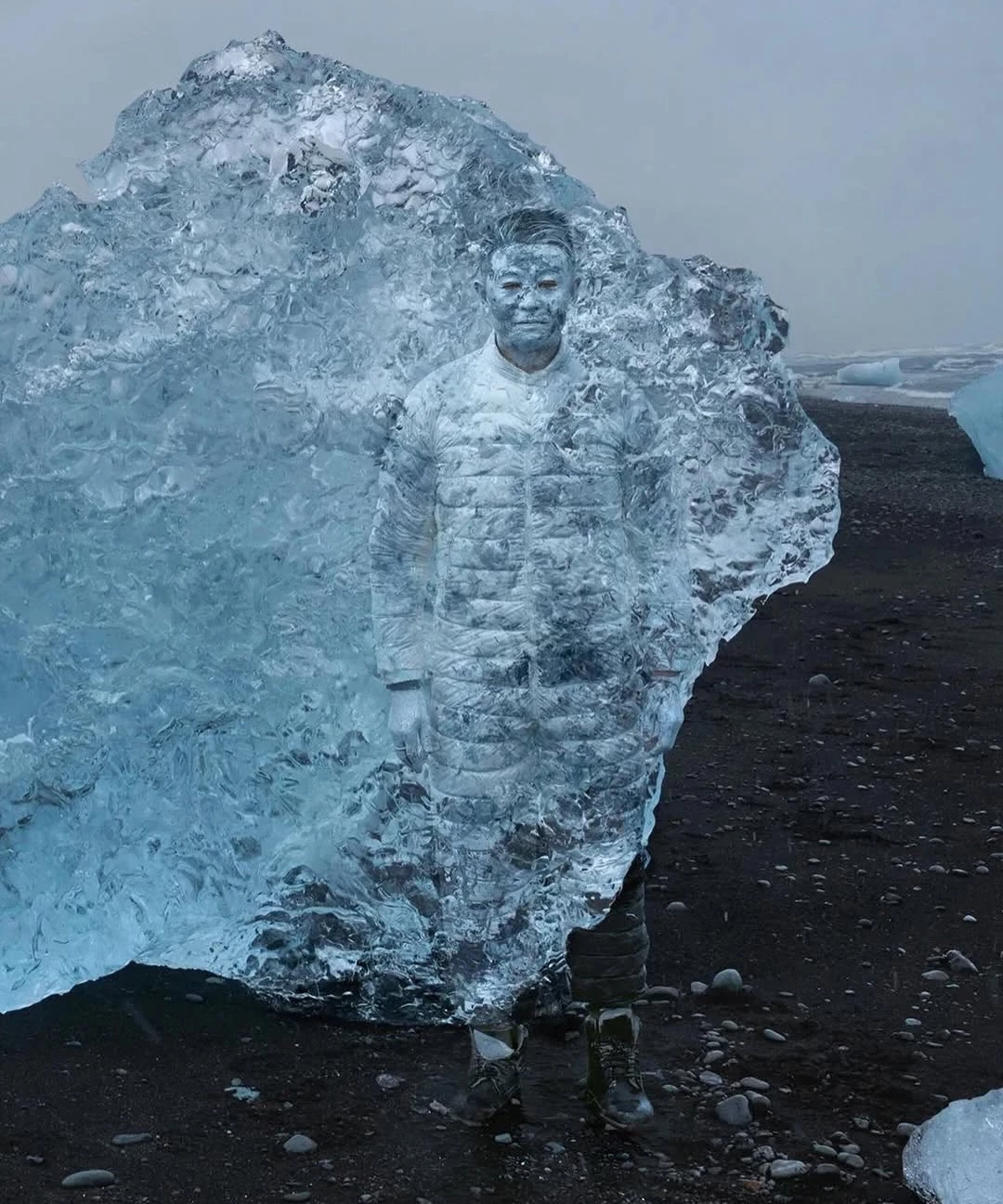
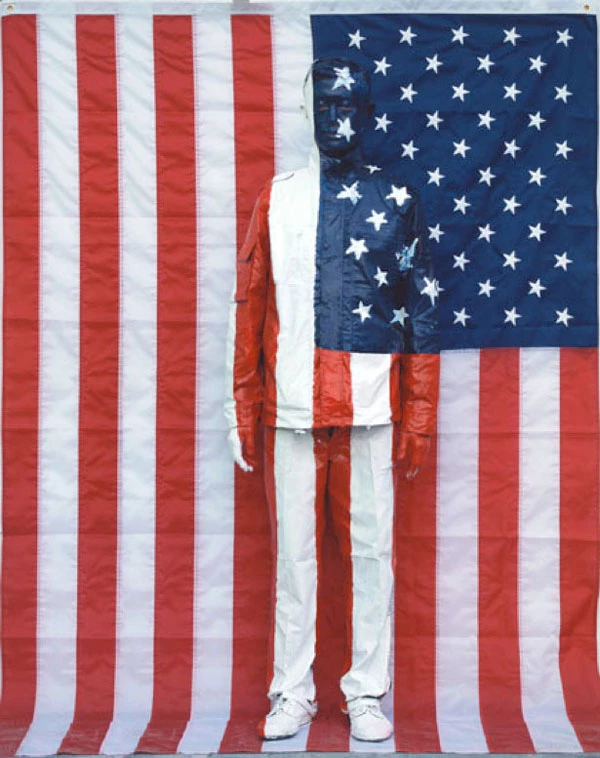
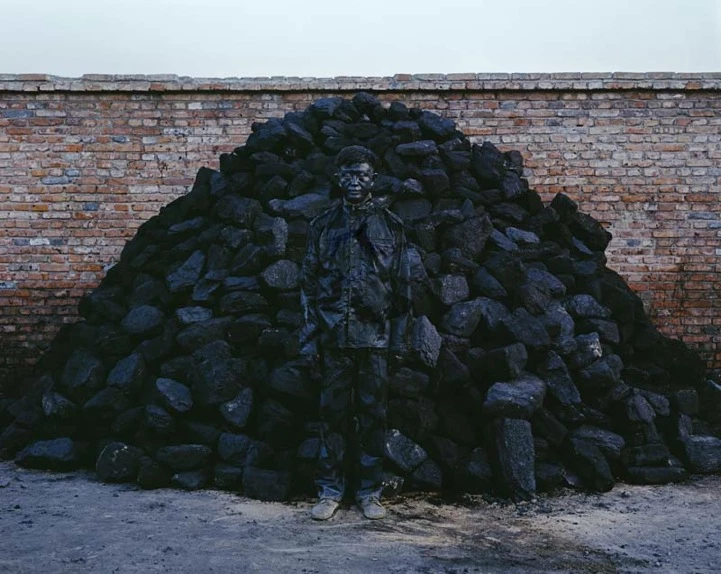
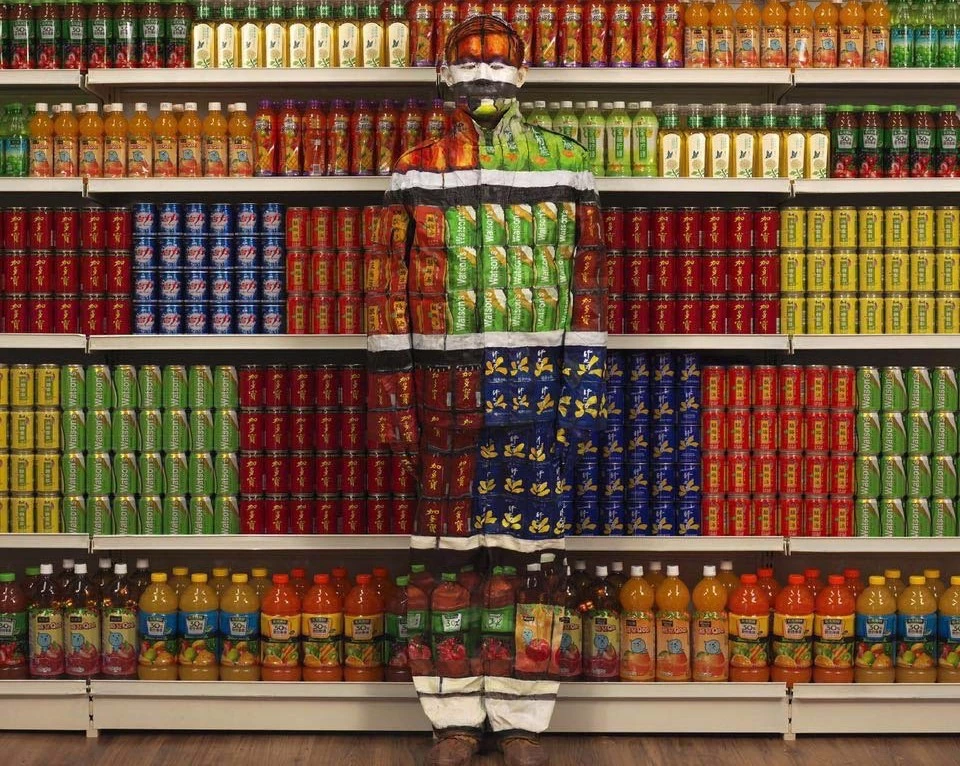
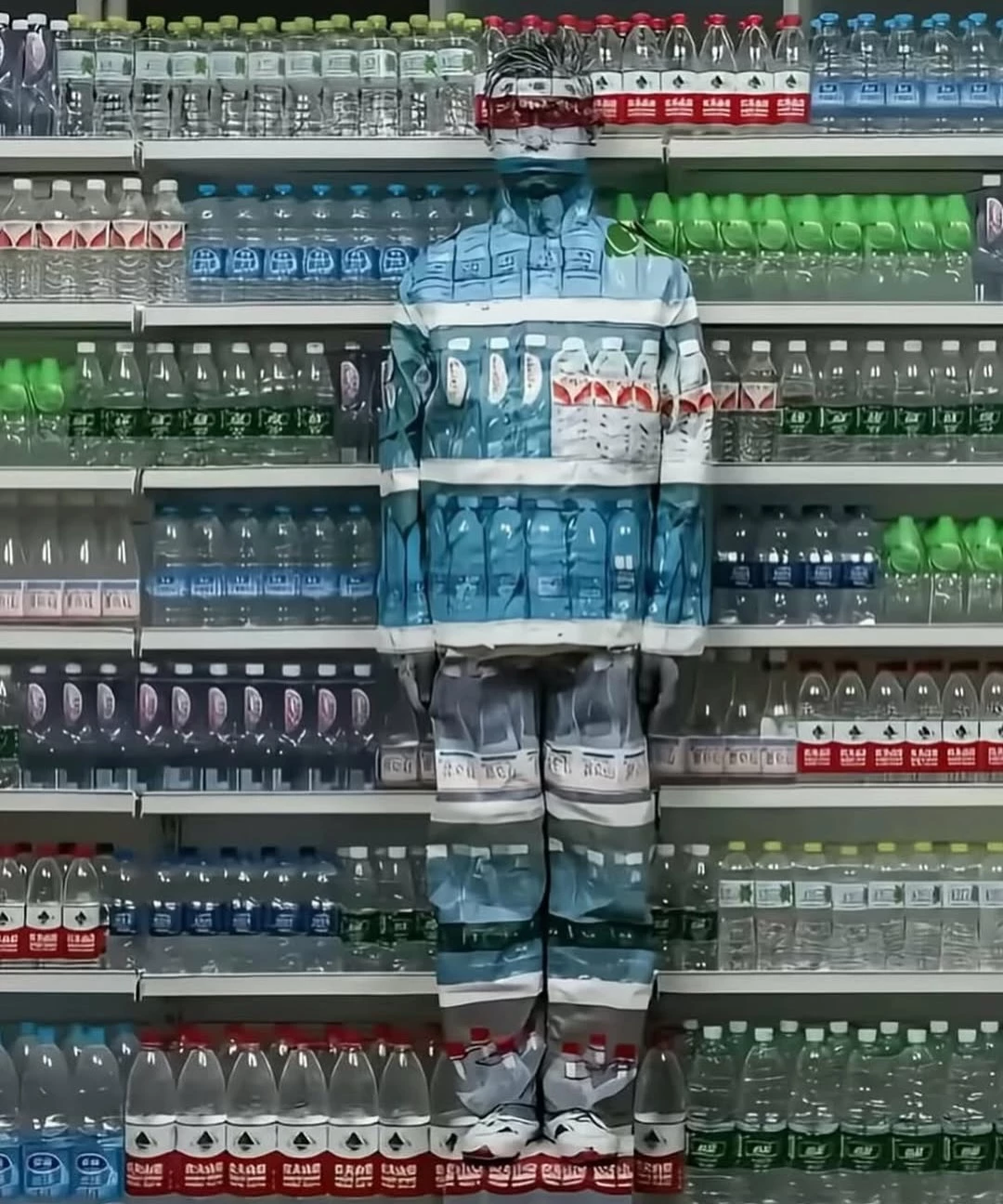
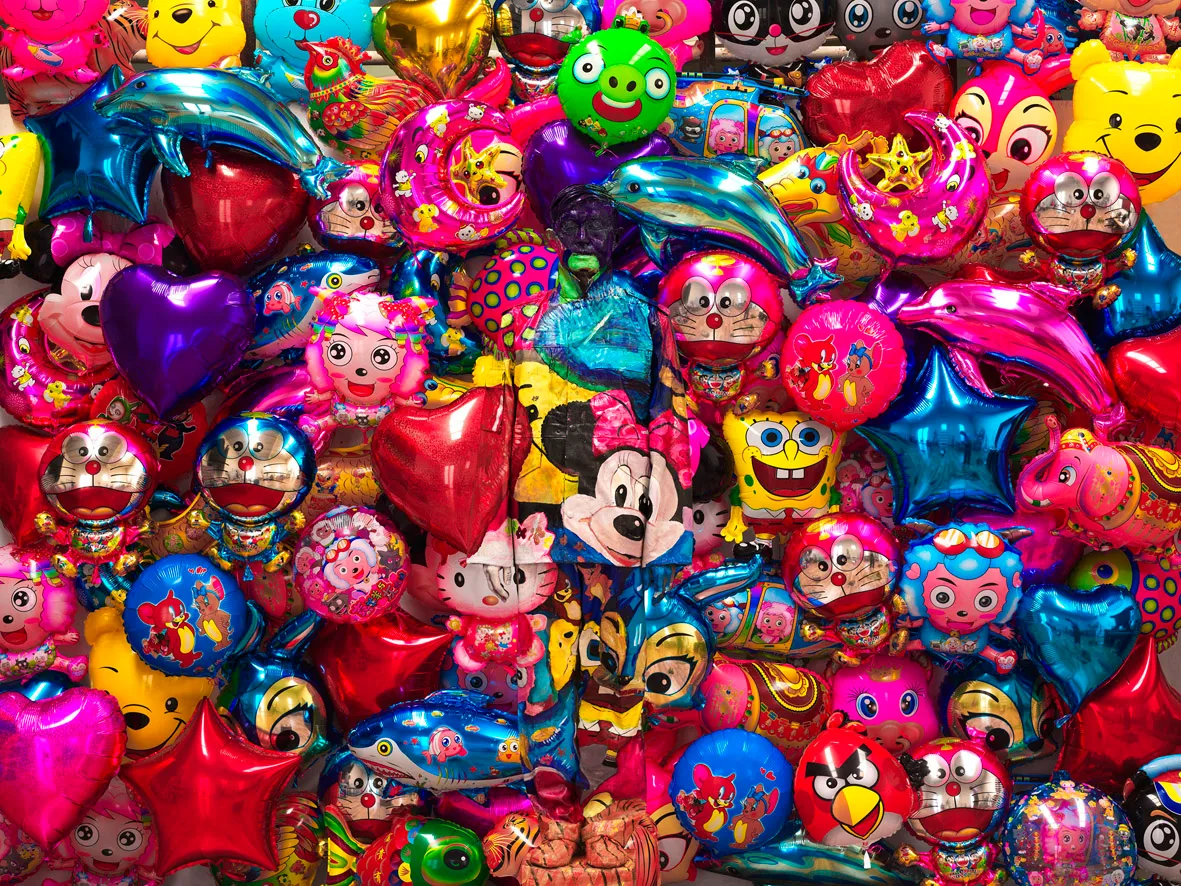
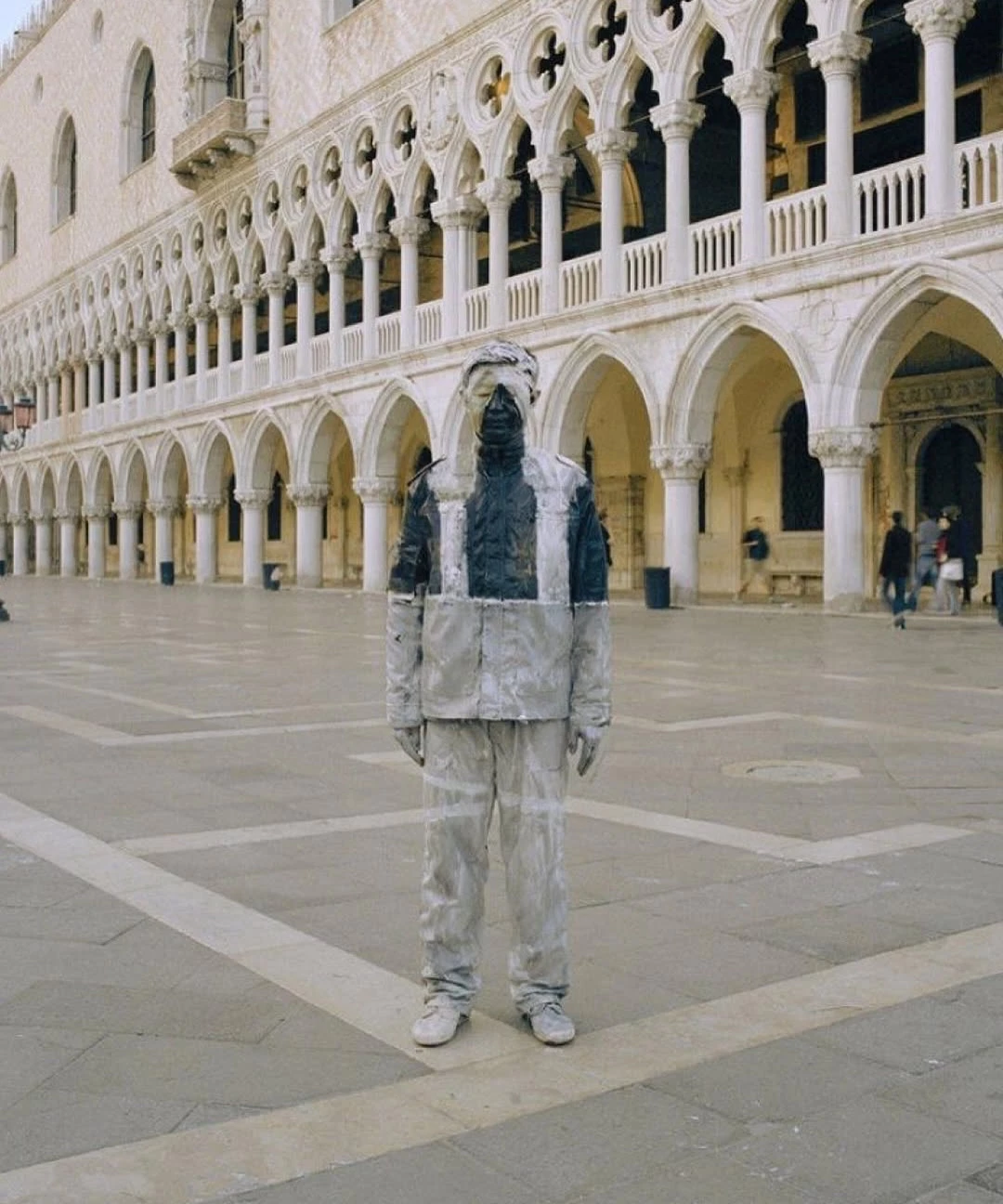
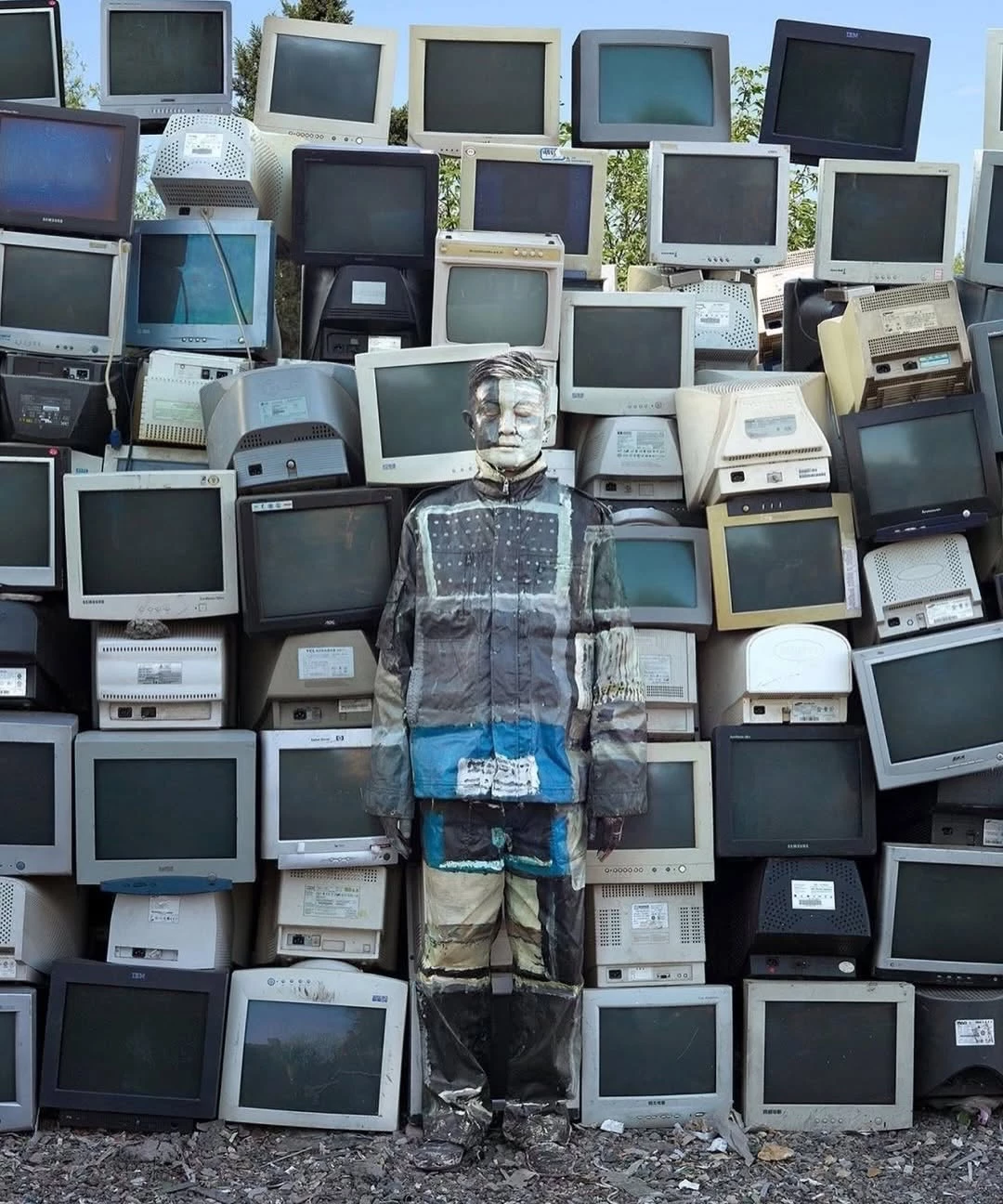
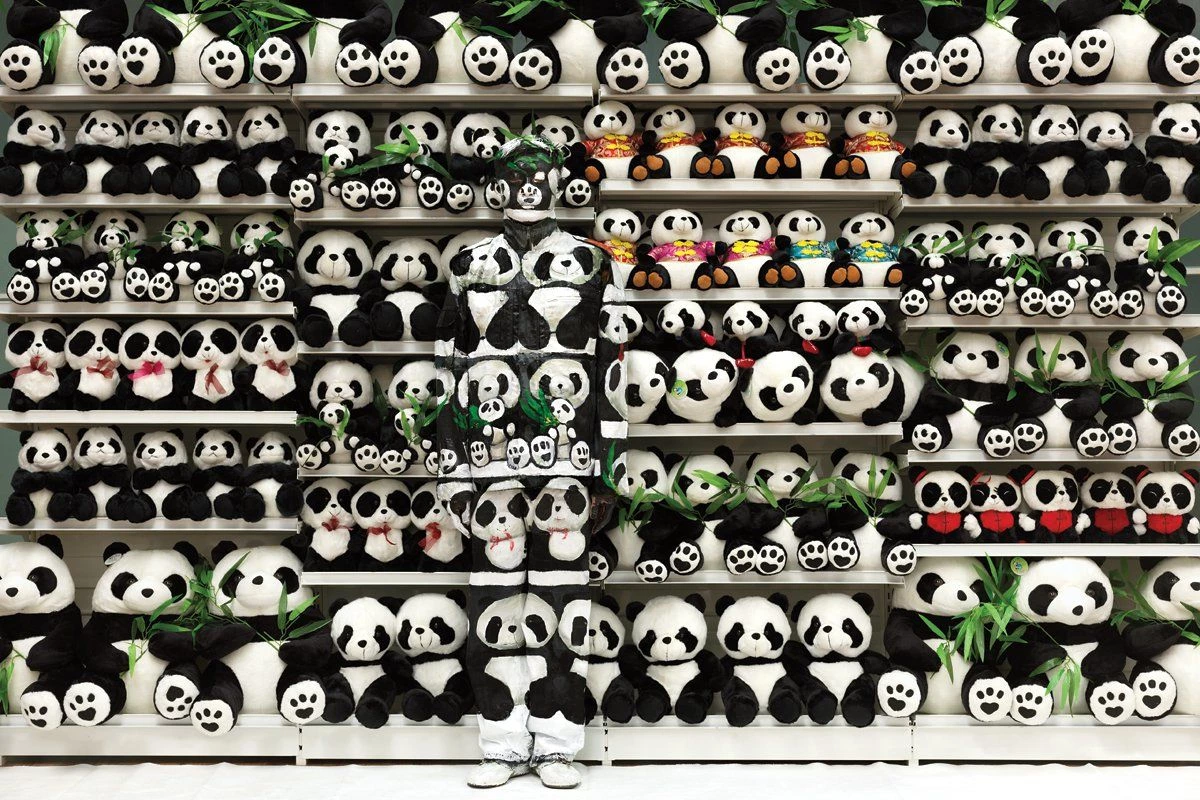
Nicknamed “The Invisible Man” Chinese artist Liu Bolin has established himself on the international art scene through a unique conceptual approach: literally blending into the background using meticulously crafted body paint. Whether disappearing amidst crowded supermarket shelves, before historical monuments, or in front of political symbols, his body becomes a human chameleon. Behind this striking visual illusion which demands hours of absolute immobility lies a profound philosophical reflection on how social, economic, and urban structures absorb and erase individuality.
Hiding in the City: A Genesis Born of State Violence.
The starting point for this quest for invisibility dates back to 2005 with his seminal series Hiding in the City. In reaction to the brutal destruction of his own studio by the Chinese government—demolished to make way for the 2008 Beijing Olympics infrastructure, Liu Bolin chose to photograph himself camouflaged among the rubble. This first performance laid the foundations of his visual activism: fading from the landscape is not an act of submission, but a silent protest. The artist chooses to disappear to better point out the violence of state decisions and the annihilation of creative spaces.
Rigorous Craftsmanship Over Digital Illusion.
Belonging to a generation marked by the traumas of the Cultural Revolution and China’s massive economic boom, Liu Bolin produces his art without any digital manipulation. Assisted by his team of painters, he applies paint directly onto his clothes and skin to align every line of the background with his anatomy. This rigorous and highly physical process directly questions the position of human beings within the hyper-consumerist society and structures of power. As he notes, it is not so much that he disappears, but rather that the environment takes hold of him and swallows him whole.
The Green Shift and Global Ecological Urgency.
In recent years, ecological urgency has become a major pillar of his worldwide work. In 2011, he immersed himself in the polluted waters of the Yellow River; in 2015, he orchestrated a collective performance against desertification near the Gobi Desert; and in 2016, he blended into mountains of waste in Bangalore, India. Through these shocking actions, he denounces human greed and our civilization’s unfortunate tendency to dig its own industrial grave. Here, camouflage illustrates our lost awareness of nature, reminding us how tiny human beings are in the face of the crises they create.
A Radical Invitation to Slow Down Our Gaze.
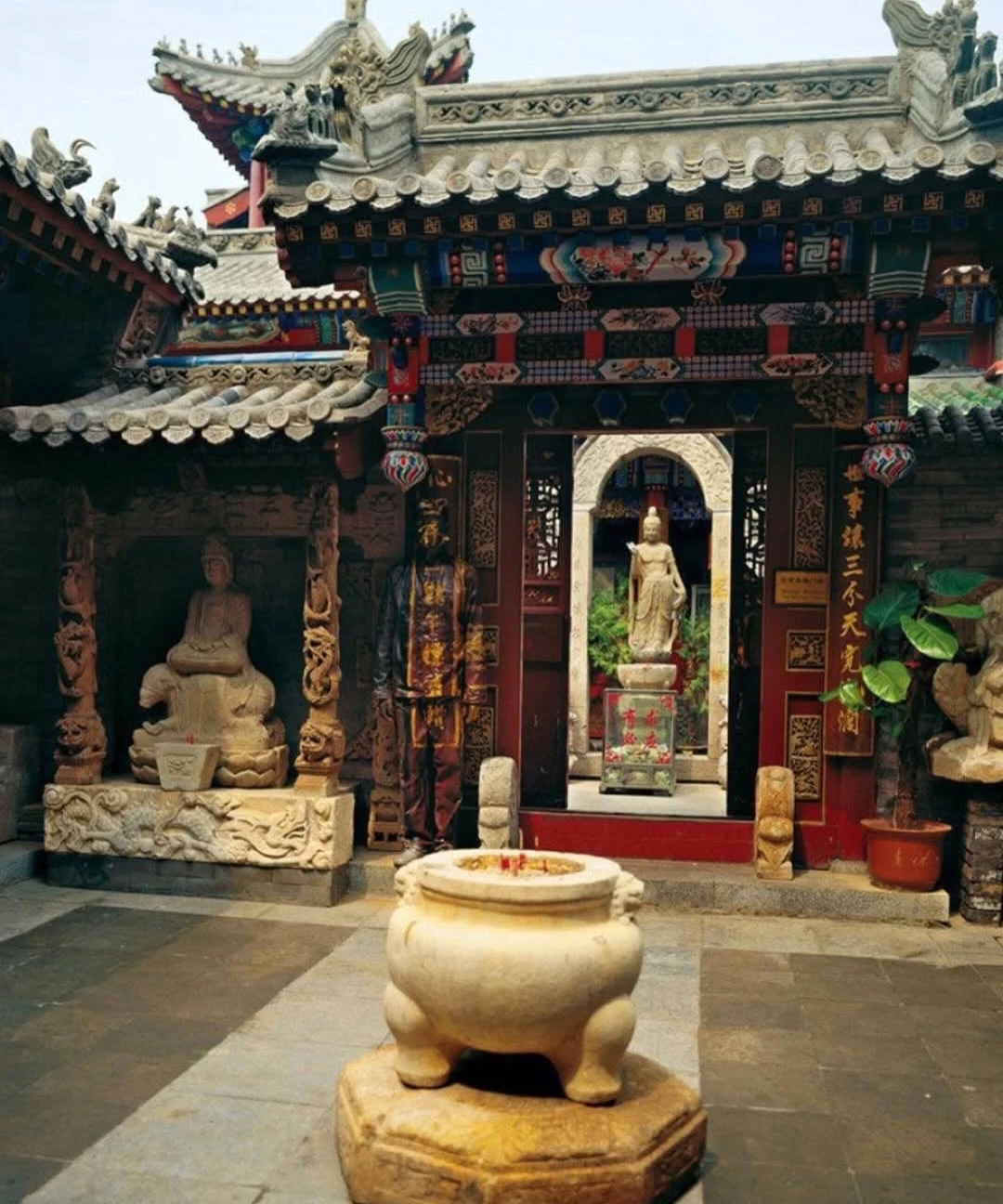
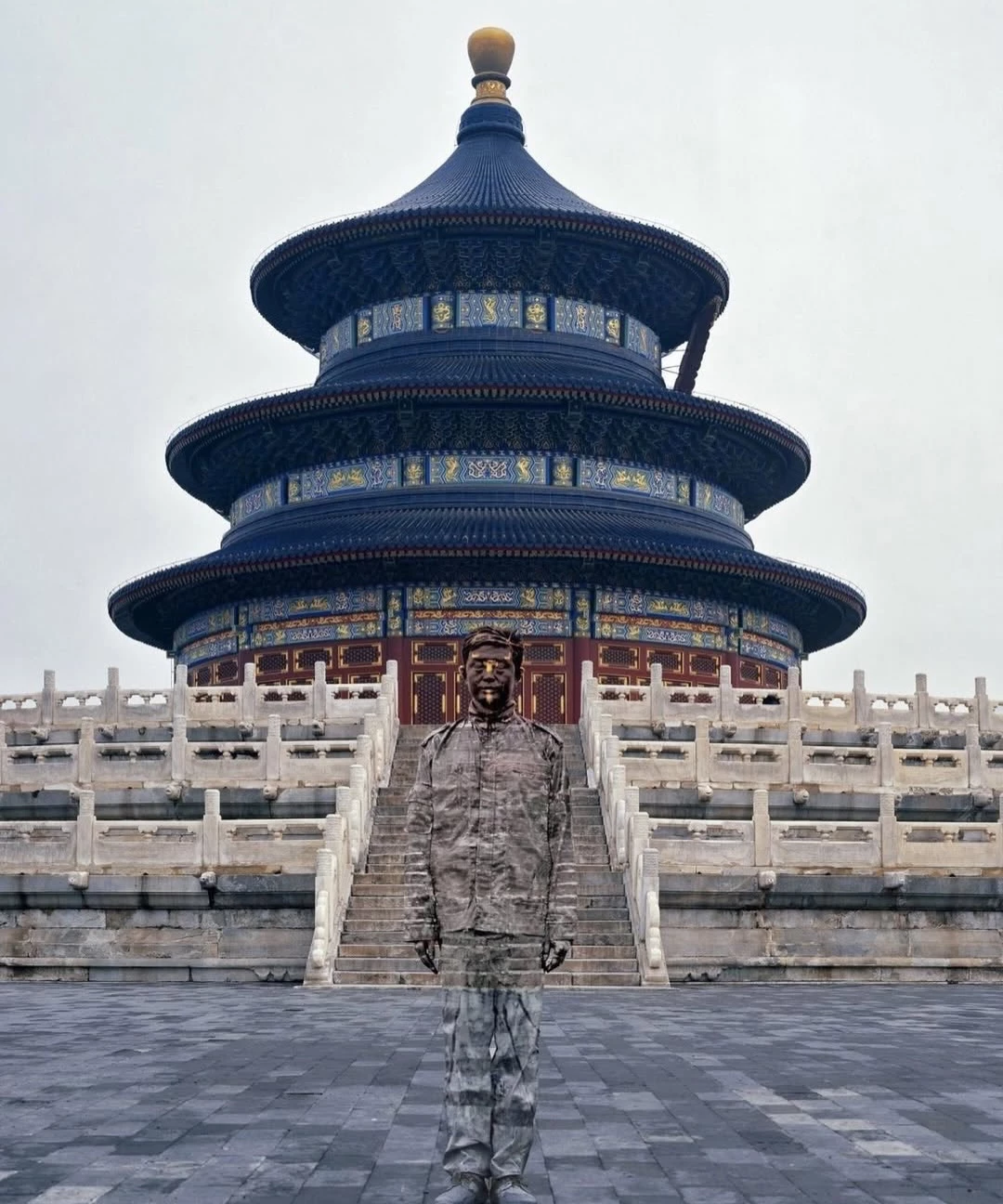
Ultimately, Liu Bolin’s overall body of work is a radical invitation to slow down our gaze. In a world saturated with fast and superficial images, his photographs force viewers to closely scrutinize the canvas to locate the hidden human silhouette. By linking ancestral traditions, ecological drift, and political strategies, the artist dissects the tense relationship between the individual and their environment. By making himself invisible, Liu Bolin paradoxically succeeds in making the world around us more visible, louder, and more memorable than ever.
The Lasting Impact of the Invisible Message.
In conclusion, Liu Bolin brilliantly demonstrates that apparent absence can constitute the most subversive form of presence. His art of camouflage transcends mere technical performance to become a critical mirror of contemporary society. By rejecting digital shortcuts in favor of raw, grueling physical painting, he restores the human body’s role as a political witness. In 2026, as our individualities are increasingly diluted within algorithmic streams, the message of “The Invisible Man” stands as an essential warning: do not let ourselves be swallowed by the scenery.